
Spirit Airlines abruptly ceased operations last week, stranding thousands of passengers and costing more than 14,000 employees their jobs, as soaring jet fuel prices driven by the ongoing U.S.-Iran standoff severely impacted the low-cost carrier’s finances.
The airline’s shutdown came shortly after the Biden administration canceled its merger with JetBlue, leaving Spirit financially vulnerable. According to White House National Economic Council Director Kevin Hassett, government officials explored possible intervention to aid Spirit but ultimately found no applicable legal authority to prevent the collapse.
Spirit cited “the sudden and sustained rise in fuel prices” as the primary reason for the shutdown. This spike followed escalating tensions around the Strait of Hormuz, a key maritime chokepoint that Iran had threatened to block amid ongoing hostilities. The closure or disruption of the straits has contributed to a 40-cent-per-gallon increase in U.S. gasoline prices over the past week, reaching an average of $4.45 nationwide.
The White House has responded through measures such as waiving the Jones Act to lower fuel costs on the U.S. West Coast and encouraging other major carriers—including American, United, and Southwest Airlines—to assist stranded Spirit passengers with reduced fares. However, the industry-wide shock from fuel price volatility poses risks to other financially constrained companies.
Economic impact and outlook
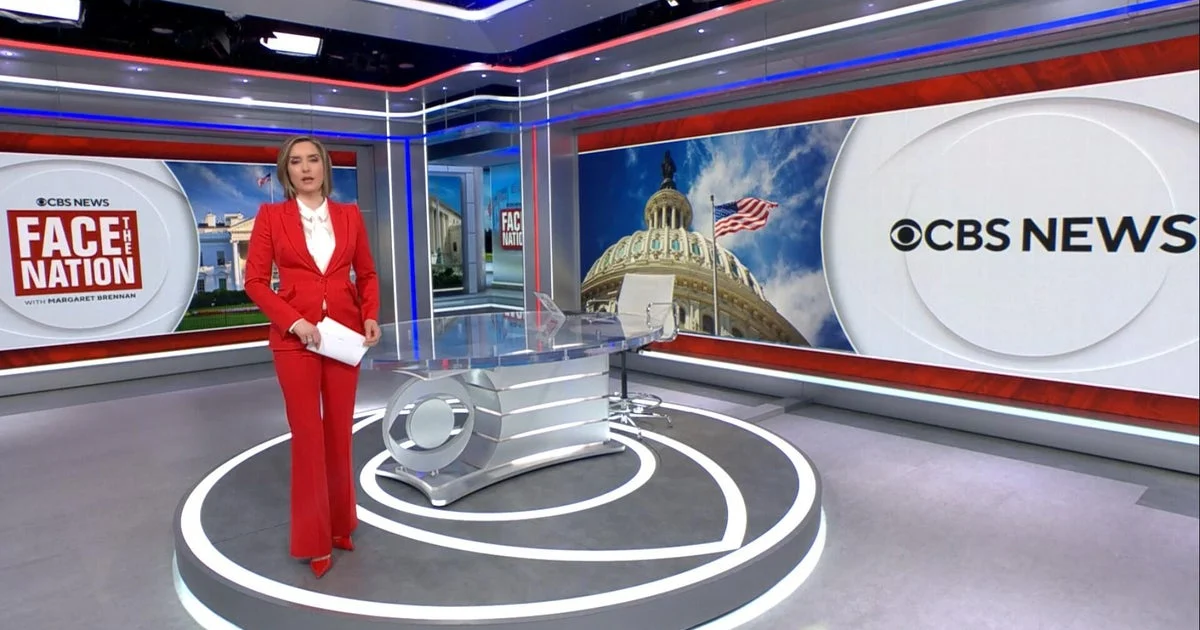
Kevin Hassett described the ongoing U.S. strategy toward Iran as maintaining pressure through a blockade and economic sanctions rather than engaging in active warfare. He emphasized the Iranian regime’s deteriorating economic condition, with hyperinflation and food shortages contributing to what some international observers describe as a looming humanitarian crisis.
Despite the fuel price shock, Hassett disputed analyses suggesting gas costs have wiped out gains from recent tax reforms. He pointed to tax relief measures on tips, overtime, and Social Security income as providing financial support to millions of Americans. Still, he acknowledged the gas price increases have imposed a temporary burden on consumers and the broader economy.
Geopolitical tensions and market consequences
Tensions in the Strait of Hormuz remain unresolved, keeping global energy markets on edge. The U.S. has characterized Iran’s attempted blockade as unacceptable, though the situation has yet to escalate into full-scale war. The ongoing conflict and associated sanctions continue to add uncertainty to energy supplies and prices worldwide.
The fallout from this geopolitical standoff extends beyond airlines, affecting transportation, manufacturing, and consumer spending. Spirit Airlines’ collapse offers an immediate example of how global events can cascade into domestic economic disruptions.
Why it matters
The sudden shutdown of Spirit Airlines highlights the vulnerability of sectors dependent on stable energy prices amid international conflicts. It raises concerns about the resilience of low-margin industries during extended geopolitical crises and the limits of government intervention in mitigating economic fallout.
Fuel costs remain a key variable influencing inflation, consumer budgets, and corporate viability. The ongoing Iran situation continues to pose risks to economic recovery, consumer confidence, and industry stability in the U.S. and globally.
Sources
This article is based on reporting and publicly available information from the following source:
Read more Business stories on Goka World News.