
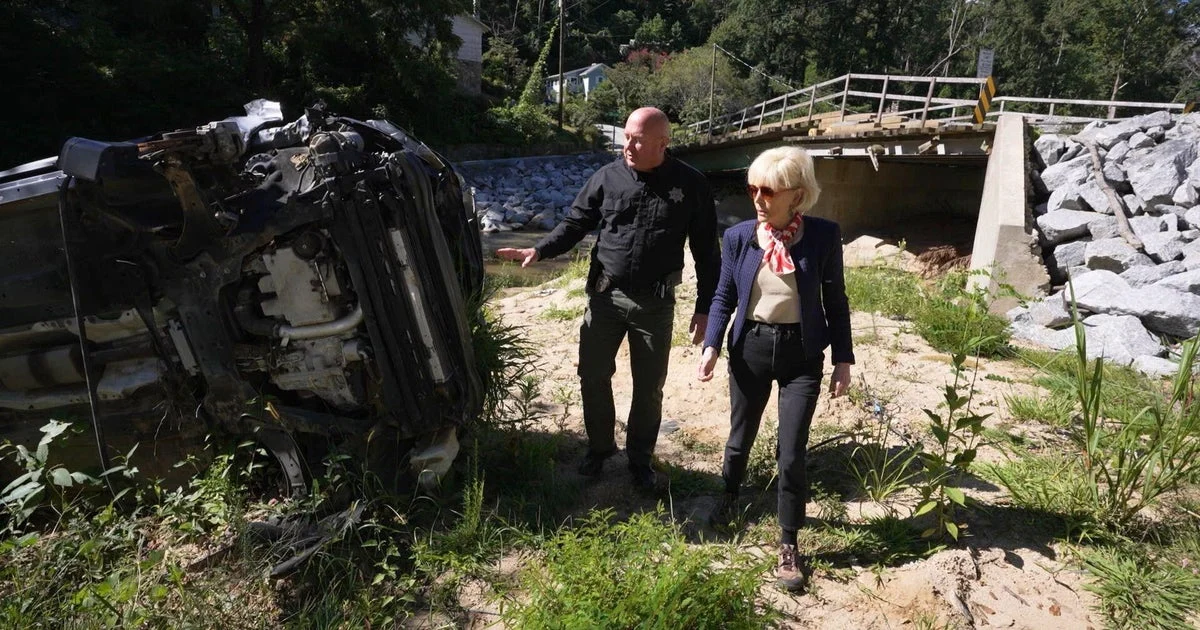
A volunteer linked to a white nationalist group assisted with relief efforts following a recent hurricane, prompting concern among local residents and officials about the involvement of extremist individuals in disaster response activities.
The volunteer’s presence was noted amid cleanup and aid distribution in the affected areas. Though volunteers are critical in disaster recovery, the participation of someone associated with white nationalist ideology has sparked debate about vetting processes and community impact.
Why it matters
The involvement of individuals with extremist views in disaster relief raises potential risks for vulnerable communities still recovering from damage. It also highlights gaps in oversight mechanisms intended to ensure aid initiatives remain safe and inclusive.
Emergency response efforts often rely on volunteers to provide timely assistance; however, the presence of volunteers with controversial backgrounds can undermine public trust and the effectiveness of aid distribution.
Background
Natural disasters typically draw a surge of volunteer support from across the country, with organizations coordinating efforts to aid impacted areas. Vetting of volunteers usually focuses on safety, skills, and background checks, but isolated cases have revealed challenges in screening out those holding extremist beliefs.
This incident draws renewed attention to how disaster response programs monitor volunteer affiliations and what protocols are in place to prevent exploitation of humanitarian efforts by groups with harmful ideologies.
Sources
This article is based on reporting and publicly available information from the following source:
Read more US News stories on Goka World News.