
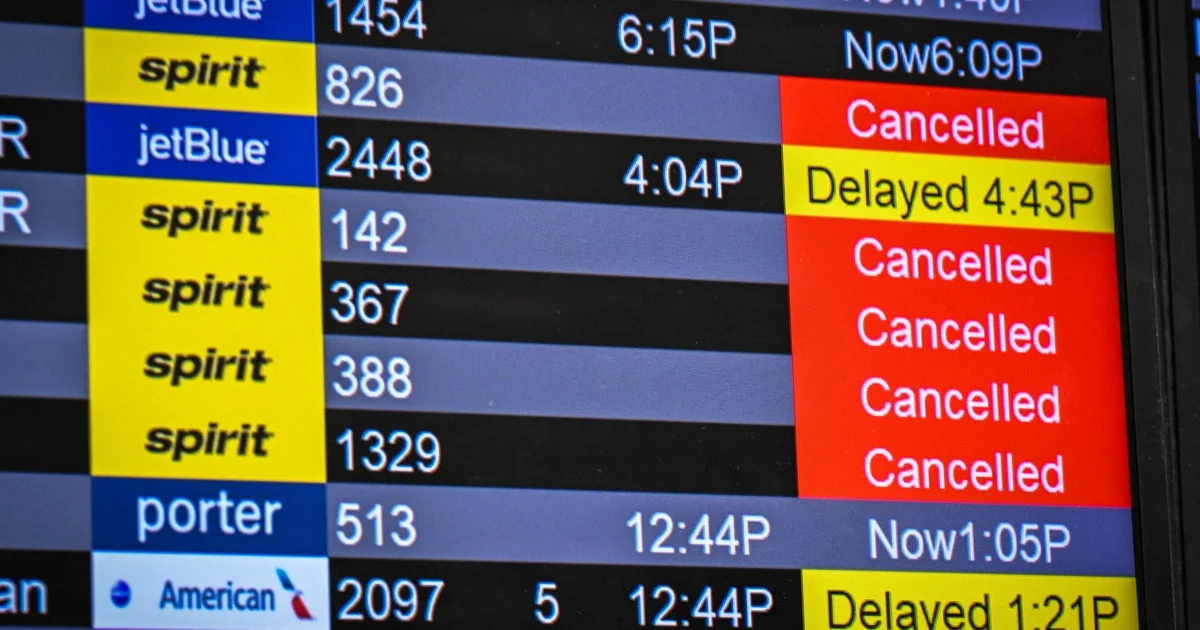
Spirit Airlines has reimbursed the majority of customers holding flight tickets after it ceased operations following an unsuccessful attempt to secure a $500 million federal bailout. The budget carrier announced on May 2, 2026, that it had begun an orderly wind-down of its operations.
The airline confirmed to CBS News that it is still processing refunds for a small percentage of customers. Refunds have been automatically issued for flights purchased with credit or debit cards. However, passengers who paid with cash or used airline loyalty points are not eligible for automatic refunds, as federal law requires refunds only when services are not delivered, and loyalty points cannot be transferred between carriers.
Spirit stated that compensation for customers who booked flights using vouchers, credits, or Spirit points will be addressed later through the bankruptcy proceedings.
Other Airlines Assist Stranded Passengers
Several other airlines have stepped in to accommodate Spirit’s displaced passengers. United Airlines rebooked approximately 14,000 former Spirit customers on its flights and is offering special fares for Spirit travelers until May 16. Similarly, American Airlines, Delta Air Lines, Frontier Airlines, and Southwest Airlines announced limited-time discounted fares for those affected by Spirit’s shutdown.
Spirit’s exit has also opened opportunities for other carriers to expand service. JetBlue, for instance, added 11 new routes from Fort Lauderdale shortly after Spirit’s cessation and introduced a “status match” program granting Spirit frequent flyers equivalent loyalty status.
Market Implications and Fare Impact
The collapse of Spirit Airlines is expected to impact airline competition and pricing. Industry experts indicate that Spirit’s absence reduces competition among low-cost carriers, potentially leading to higher airfares, especially on heavily trafficked leisure routes that Spirit previously served.
James Ferrara, CEO of travel advisory firm InteleTravel, warned that the shutdown will create “shockwaves” beyond Spirit’s former customers. Without the pricing pressure from an ultra-low-cost carrier, legacy airlines may raise fares, pricing some travelers out of the market.
Why it matters
Spirit Airlines’ shutdown affects more than just its passengers—it disrupts the broader competitive landscape in U.S. air travel. The loss of a major low-cost operator could result in increased prices and fewer options for budget-conscious travelers. Ongoing refund processes and airline efforts to assist stranded customers remain crucial in mitigating immediate disruptions.
Sources
This article is based on reporting and publicly available information from the following source:
Read more US News stories on Goka World News.