
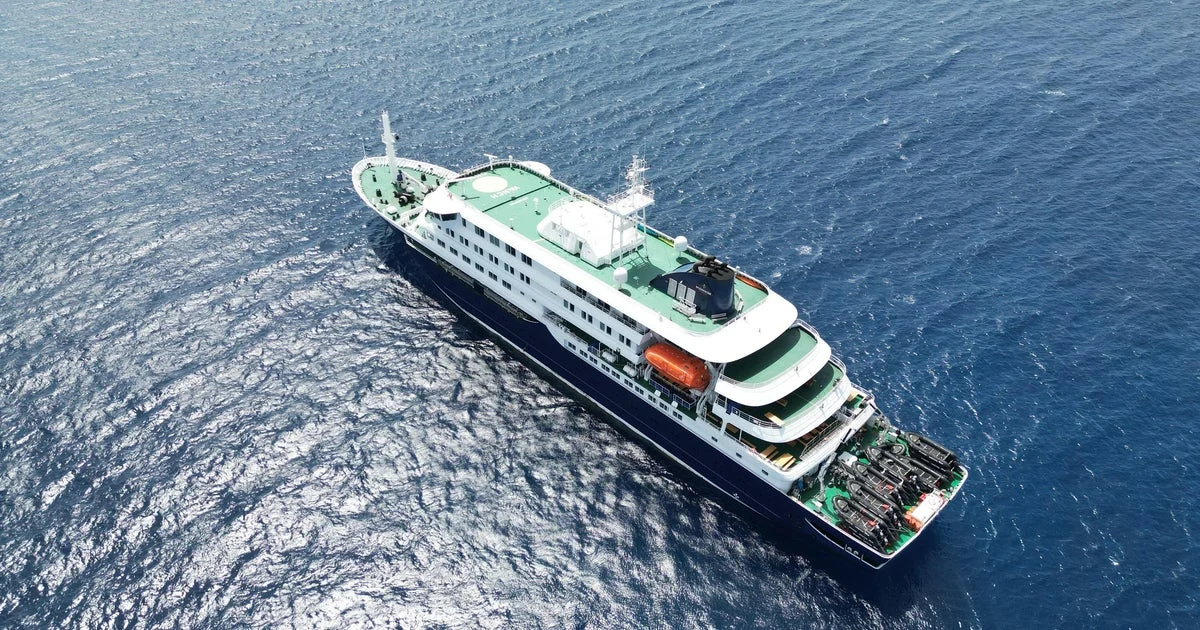
The World Health Organization (WHO) announced on May 5, 2026, that there is evidence suggesting rare human-to-human transmission of hantavirus on a cruise ship stranded off the coast of Cape Verde. The outbreak has resulted in three fatalities and several suspected or confirmed cases among passengers and crew aboard the MV Hondius.
Outbreak and Response on the Cruise Ship
The MV Hondius, a Dutch vessel carrying nearly 150 people, had been held offshore after Cape Verde denied docking due to public health concerns. The ship is currently awaiting permission to sail to the Canary Islands, where Spanish authorities plan to conduct a full epidemiologic investigation and disinfection, according to the WHO and Spanish Ministry of Health.
Among the fatalities, two passengers died onboard the ship, including a 70-year-old Dutch man, while a third, his 69-year-old wife, died shortly after disembarking and being evacuated to South Africa. She had gastrointestinal symptoms and tested positive for hantavirus. Additionally, a British passenger evacuated to South Africa remains in intensive care.
Passengers have been instructed to stay in their cabins to reduce further spread, and contact tracing efforts are underway for people who shared a flight with the infected individuals.
Characteristics and Spread of the Virus
Hantavirus typically transmits to humans via contact with infected rodents or their droppings. However, the WHO noted that the Andes strain of hantavirus, implicated in this outbreak, can sometimes spread between people, especially among close contacts such as spouses and cabin mates.
The virus carries a high mortality rate, up to 50%, and symptoms may take one to eight weeks to develop, which complicates containment efforts.
Onboard medical teams from Cape Verde have attended to patients, and the WHO is coordinating evacuations for two sick individuals to the Netherlands. Health authorities in Spain and the Netherlands are in discussions regarding quarantine measures, which could last as long as eight weeks due to the virus’s incubation period.
Ongoing Investigations and International Coordination
The WHO confirmed that detailed laboratory and epidemiological investigations are ongoing, including assessments of passengers and crew for additional symptoms. Medical support continues on the ship, and authorities remain in close contact with the cruise operator, Oceanwide Expeditions.
The MV Hondius had departed Ushuaia, Argentina, on April 1, 2026, on a polar cruise. Argentine health officials reported no hantavirus symptoms were detected among passengers at departure, but the incubation period means infections could have been acquired prior to departure or during the cruise.
Currently, 87 passengers and 61 crew remain onboard, including nationals from the United States, the United Kingdom, Spain, and the Netherlands.
Why it matters
This incident highlights the challenges of managing rare zoonotic diseases with potential human-to-human transmission in confined environments such as cruise ships. It demonstrates the importance of rapid international cooperation for public health investigations, patient care, and containment measures to prevent wider spread.
Sources
This article is based on reporting and publicly available information from the following source:
Read more Health & Public Health stories on Goka World News.