
President Donald Trump announced a temporary pause to the U.S. military’s Project Freedom mission escorting ships through the Strait of Hormuz, citing “great progress” in peace negotiations brokered by Pakistan aimed at ending the conflict with Iran. However, Trump warned on Wednesday that if Iran does not accept a peace deal, the U.S. will escalate to a “higher level” of military strikes against the country.
Project Freedom, which began last month, is a naval escort operation intended to protect commercial vessels in the strategic waterway after a series of Iranian attacks on shipping and Gulf allies. Despite the pause, the broader U.S. naval blockade against Iranian ports continues, with the U.S. Central Command reporting that 52 commercial vessels have been redirected or turned back so far to enforce compliance with the blockade.
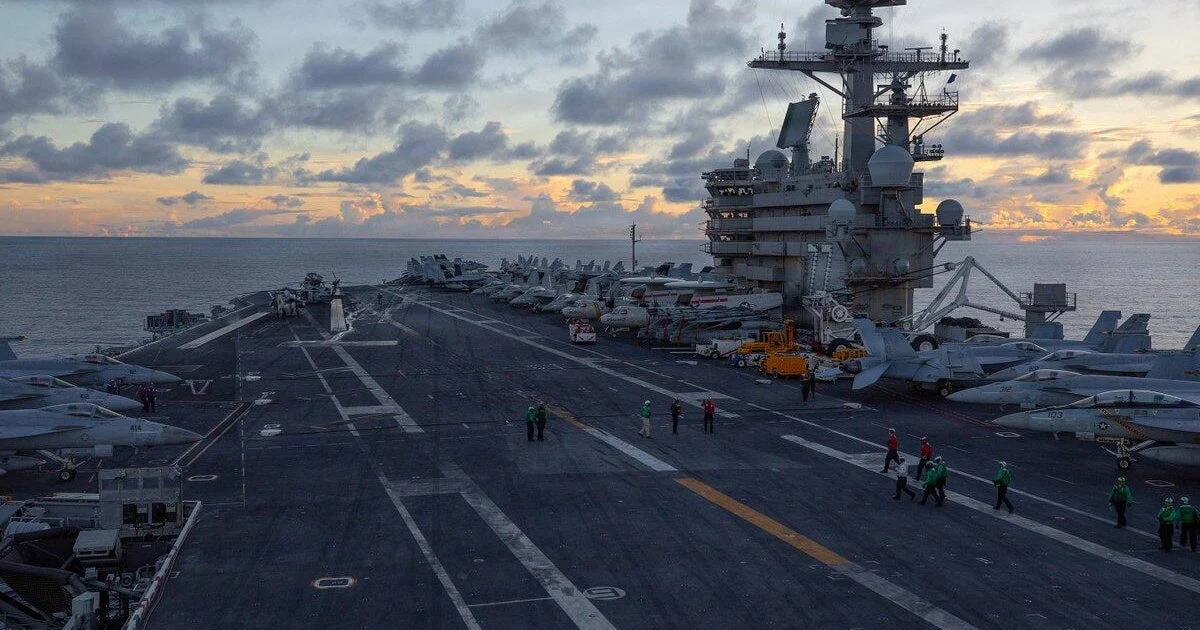
On Wednesday morning, U.S. forces disabled the Iranian-flagged oil tanker M/T Hasna in the Gulf of Oman after its crew failed to comply with orders to stop. The operation involved disabling the tanker’s rudder using rounds fired from a U.S. Navy F/A-18 Super Hornet launched from the aircraft carrier USS Abraham Lincoln. This marks at least the second large Iranian ship disabled as part of enforcement efforts.
In remarks at a White House event honoring military mothers, Trump described the conflict with Iran as a “skirmish” progressing “unbelievably well,” drawing a comparison to a successful January U.S. operation against Venezuelan leader Nicolás Maduro. He said, “Iran is militarily defeated,” though U.S. operations against the country are not yet complete, with approximately 70% of intended targets reportedly hit. Trump also stressed that “it’s too soon” for renewed direct talks with Iranian officials, despite ongoing negotiations in Pakistan.
The Iranian foreign ministry responded cautiously, emphasizing that any negotiations must be based on sincere engagement without coercion, deception, or dictation. The spokesman, Esmaeil Baqaei, said talks require “good faith” and a genuine effort to resolve disputes.
Why it matters
The Strait of Hormuz is a crucial international shipping lane through which a significant portion of the world’s oil supply transits. The U.S. military blockade and escort missions are central to maintaining maritime security amid escalating tensions with Iran. The pause in direct military escort operations to pursue diplomacy underscores the high stakes involved in finding a resolution to the conflict—an outcome that could have significant implications for global energy markets and regional stability.
Background
The conflict between the U.S. and Iran intensified following Iranian attacks on vessels in the Strait of Hormuz and on U.S. allies in the Gulf region. The U.S. responded with increased military presence and a blockade intended to limit Iran’s maritime activities. Project Freedom was launched as a direct protective measure for commercial shipping but has been temporarily suspended to allow room for peace negotiations facilitated by Pakistan. The broader conflict includes cyber and military actions, with President Trump signaling a readiness to escalate if diplomatic efforts fail.
Sources
This article is based on reporting and publicly available information from the following source:
Read more Politics stories on Goka World News.