
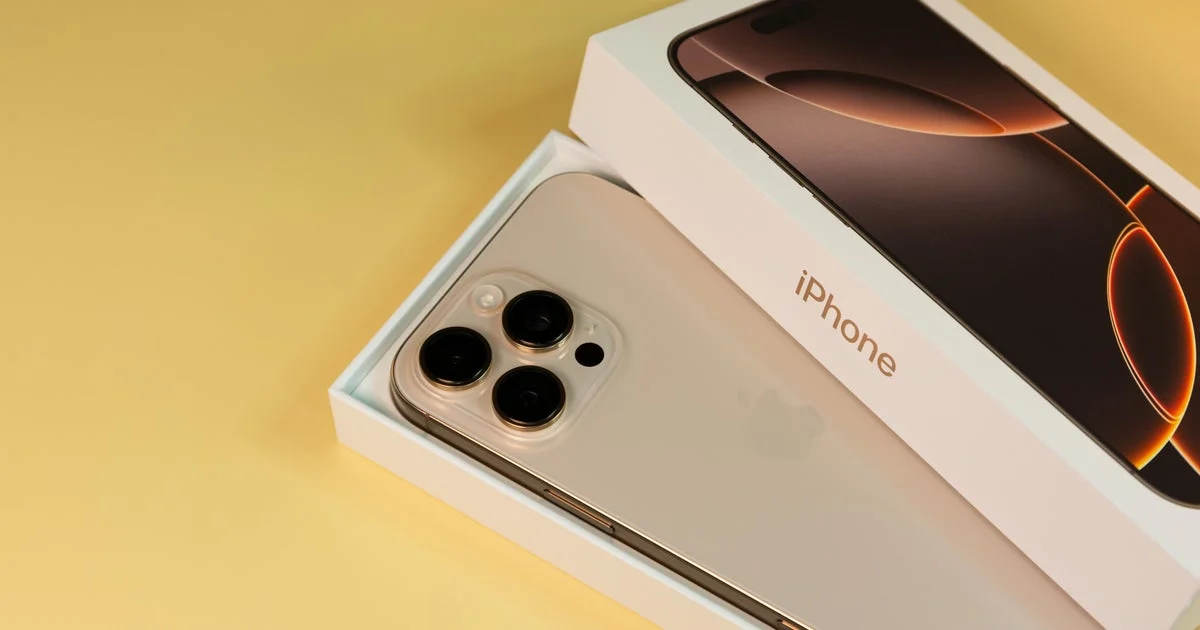
Apple has agreed to a proposed $250 million settlement resolving a class-action lawsuit accusing the company of misleading customers about Siri’s artificial intelligence features, according to a recent court filing.
The lawsuit, filed in federal court in California, alleges that Apple falsely marketed “Enhanced Siri features” that were not available at the time, prompting consumers to purchase iPhones based on this misleading advertising.
Who is eligible for the settlement
The settlement applies to U.S. consumers who purchased an iPhone 16, iPhone 15 Pro, or iPhone 15 Pro Max between June 10, 2024, and March 29, 2025. Approximately 37 million iPhone owners fall within this eligibility window. Customers will be notified by mail or email if they qualify to file a claim. An online and social media notification campaign will also direct eligible users to a settlement website.
Settlement payouts and claim process
Eligible participants will initially receive $25 per device, with the potential for the payment to increase or decrease based on the volume of claims submitted. However, the amount will not exceed $95 per device.
Specific details about the claims process have not been released yet. The law firm that filed the lawsuit, Clarkson Law Firm, stated that a settlement website with full information and a contact help line will be launched in the coming weeks.
Apple’s response
An Apple spokesperson said the company reached the settlement to resolve claims related to the availability of two additional features and to remain focused on delivering innovative products and services to its users.
Why it matters
If approved, this $250 million settlement could rank among the largest involving Apple and reflects continued scrutiny over how tech companies market emerging technologies such as artificial intelligence features. Millions of iPhone users affected stand to receive compensation for alleged misleading advertising.
Background
Concerns about advertising around AI-powered Siri capabilities emerged after Apple announced new features that were not fully functional or publicly available at the time of marketing. This case highlights challenges in consumer expectations and product communications as AI integration expands in consumer electronics.
Sources
This article is based on reporting and publicly available information from the following source:
Read more Major Tech Companies stories on Goka World News.