
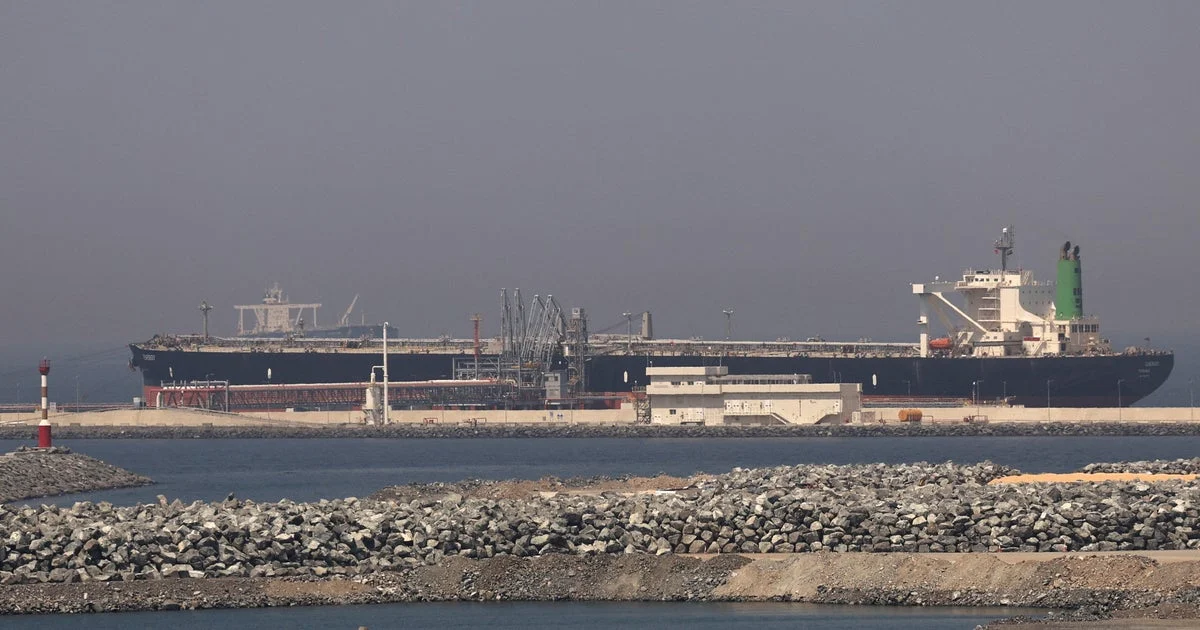
Iran has declared it is formalizing control over the Strait of Hormuz, a crucial maritime chokepoint for global oil shipments, amid ongoing hostilities with the United States. Tehran announced the creation of a new agency responsible for managing vessel transit through the strait, a move shipping intelligence firm Lloyd’s List says effectively means the waterway is closed.
This development comes as renewed military confrontations unfolded on Thursday. Two U.S. Navy destroyers, the USS Truxtun and USS Mason, came under a series of coordinated attacks involving Iranian fast-attack boats, drones, and missiles in the strait. U.S. officials described the assault as more intense and sustained than earlier engagements. The American warships and accompanying aircraft mounted layered defenses during the hours-long clash, with neither vessel sustaining damage.
Meanwhile, Iranian state media reported explosions at the Bahman pier on Qeshm Island, located in the Strait of Hormuz, which occurred during an exchange of fire between Iranian forces and opposing forces.
President Donald Trump expressed cautious confidence on Wednesday, stating the conflict “will be over quickly” and describing U.S. efforts toward a peace deal as “going unbelievably well.” However, he warned that refusal by Iran to accept the U.S. proposal might prompt “higher level” military strikes.
The conflict’s economic fallout includes a substantial rise in oil prices. The Brent crude benchmark stood near $100 per barrel Thursday, down from $126 last week but still significantly higher than pre-war levels of about $70. Shipping industry leaders report sharply increased fuel costs due to disrupted operations, with Maersk’s CEO noting these will likely be passed on to consumers, potentially causing broader market effects.
The United Nations International Maritime Organization secretary-general said approximately 1,500 ships and 20,000 crew members remain trapped in the Persian Gulf due to Iran’s blockade of the strait, impacting global trade and maritime safety.
Why it matters
The Strait of Hormuz is a critical artery for a significant portion of the world’s oil supply. Iran’s assertion of control and the sustained attacks on U.S. naval assets raise the risk of prolonged disruption to global energy markets and maritime commerce. The situation heightens geopolitical tensions in the Middle East with potential consequences for international energy security and regional stability.
President Trump’s indication of possible escalation if diplomatic overtures fail underscores the fragile balance between ongoing war efforts and peace negotiations.
Background
The Strait of Hormuz has long been a flashpoint in U.S.-Iran tensions due to its strategic importance in global oil shipments. Prior to the conflict, the strait remained open to commercial shipping under international law. The current hostilities intensified after U.S.-Israeli military actions against Iran, prompting Tehran’s efforts to assert regulatory control over the strait.
U.S. naval operations, including Project Freedom to secure the strait, have faced repeated attacks by Iranian forces using a mix of small fast boats, drones, and missile strikes. The U.S. continues to conduct military and diplomatic efforts to counter Iran’s blockade and manage the crisis amid rising global economic concerns.
Sources
This article is based on reporting and publicly available information from the following source:
Read more World News stories on Goka World News.