
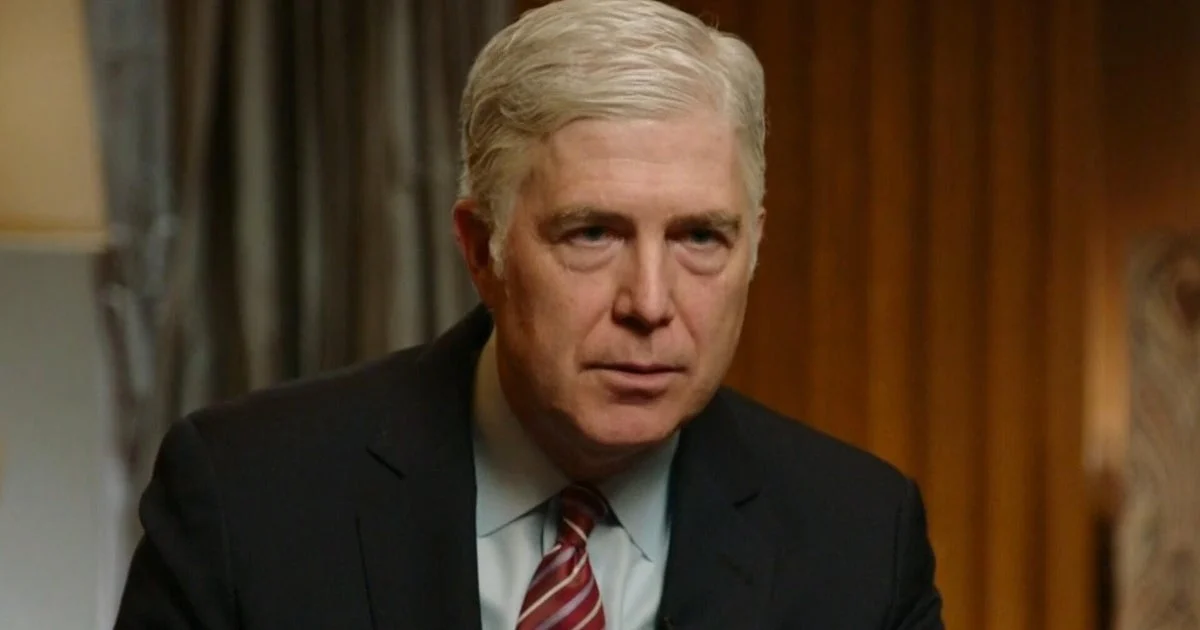
The U.S. Supreme Court is entering one of its busiest periods, with around three dozen significant decisions expected by July, according to Justice Neil Gorsuch. In a rare interview, Gorsuch spoke with correspondent Jan Crawford about the Court’s current dynamics, including whether it has become more divided in recent times.
While Justice Gorsuch did not provide detailed commentary on the internal divisions of the Court during the interview, his remarks come as the justices prepare to tackle a range of high-profile cases. These rulings are anticipated to have wide-ranging implications across areas such as civil rights, administrative law, and constitutional questions.
The Supreme Court’s workload typically intensifies in the final months of its term, when the justices issue opinions that resolve contentious issues. This year’s docket is notable for its volume and the complexity of cases involved.
Why it matters
The Supreme Court’s rulings during this period will shape key aspects of U.S. law and policy, affecting millions of Americans. Justice Gorsuch’s acknowledgment of a heavy caseload highlights the pivotal role the Court plays in resolving pressing legal questions. Public and legal observers are closely watching how the justices align or differ in their decisions, which may signal shifts in judicial philosophies or institutional dynamics.
Background
Justice Neil Gorsuch was appointed to the Supreme Court in 2017 and has since been part of a court widely regarded as conservative-leaning. The Court’s decisions often hinge on ideological lines, prompting discussion about institutional cohesion and the impact of political polarization on the judiciary. The current term’s volume of major decisions intensifies attention on how justices collaborate and deliberate amidst complex legal challenges.
Sources
This article is based on reporting and publicly available information from the following source:
Read more Politics stories on Goka World News.