
Recent advancements in artificial intelligence (AI) are transforming the creative process by significantly reducing barriers between idea generation and practical execution, experts say. Unlike past eras when technological, institutional, or material constraints limited innovation, AI systems now allow individuals to rapidly prototype, design, and develop new concepts without requiring extensive resources or teams.
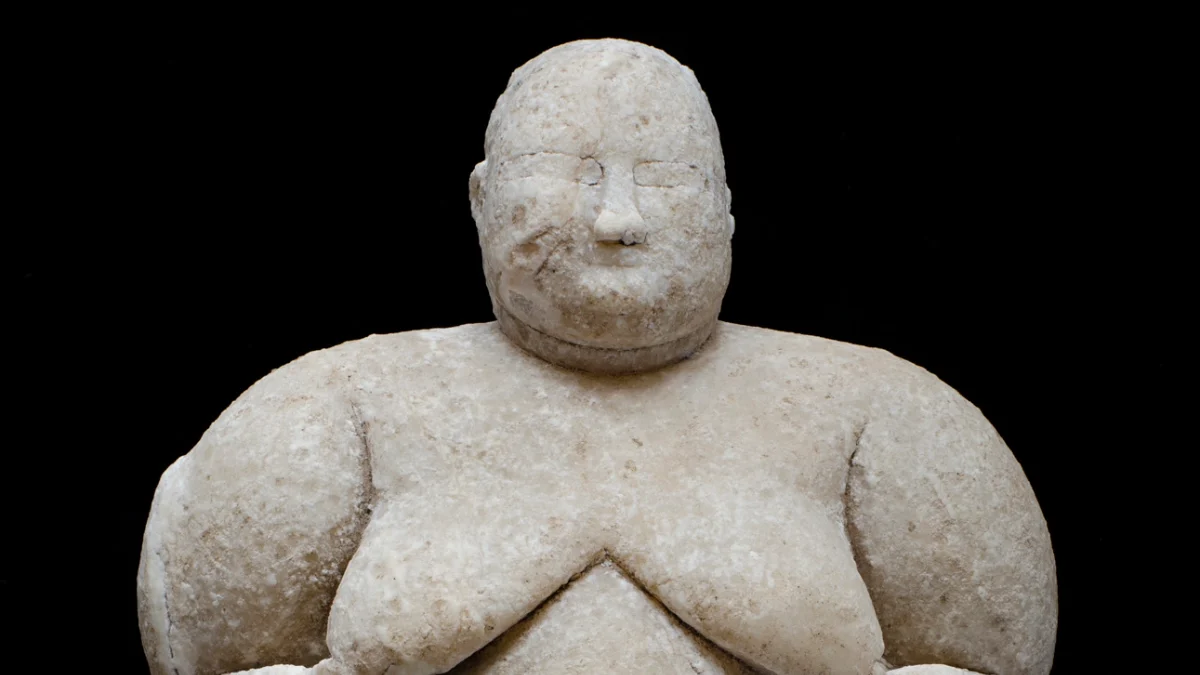
Historically, creativity was viewed as a uniquely human domain confined by the achievable tools and social frameworks of its time. For example, ancient civilizations like the inhabitants of Çatalhöyük (circa 7500–5600 BCE) possessed imagination and cultural expression but lacked streets, marketplaces, and public buildings, likely due to technological and organizational limitations. Similarly, ideas such as steam power concepts by the Romans or Leonardo da Vinci’s flying machines were unrealized for centuries because materials and economic conditions were insufficient.
AI’s role in bridging the creativity gap
Modern AI systems generate images, write texts, compose music, and assist in brainstorming across many fields. While lacking human judgment, volition, and cultural experience, AI dramatically expands the range of ideas individuals can explore. It can process vast possibility spaces, such as the infinite potential chemical compounds from natural elements, helping to identify promising options for human evaluation.
By integrating with technologies like advanced manufacturing and robotics, AI enables the rapid transformation of concepts into prototypes and products. Tasks that once required substantial capital and specialized teams may become accessible to smaller groups or individuals, potentially accelerating innovation in design, engineering, and institutional development.
Why human creativity remains essential
Despite AI’s increasing capabilities, human creativity is not being replaced. Critical aspects such as selecting valuable ideas, setting directions, and contextualizing innovation within social and cultural frameworks depend on human judgment. The expanding universe of possible outputs necessitates stronger discernment to focus efforts on what is feasible and meaningful.
Why it matters
The integration of AI into creative processes could lead to unprecedented rates of innovation, democratizing the ability to produce new technologies, products, and cultural artifacts. This shift has implications across industries by potentially speeding up development cycles and broadening participation in innovation beyond traditional expert communities.
Sources
This article is based on reporting and publicly available information from the following source:
Read more Artificial Intelligence stories on Goka World News.