
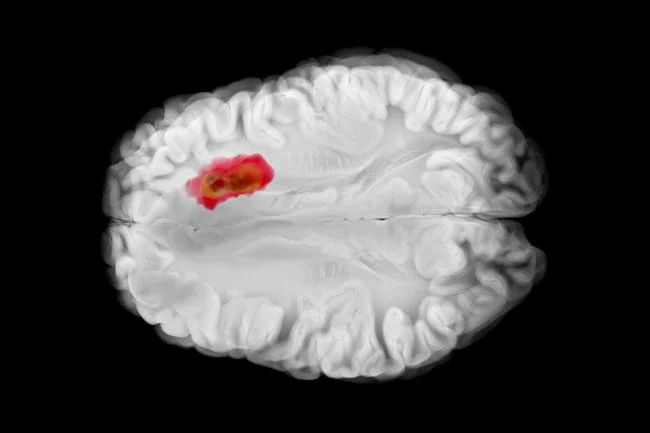
A new study funded by the National Institutes of Health (NIH) has identified testosterone as a potential factor limiting glioblastoma growth in males. Scientists at Cleveland Clinic found that depletion of androgen hormones, including testosterone, accelerated tumor development in preclinical models by triggering inflammation and stress hormone production in the brain.
Analyzing data from over 1,300 male glioblastoma patients, researchers observed that men receiving supplemental testosterone for non-cancer reasons showed a 38% lower risk of death compared to those not on supplements. While this association does not prove causality, it aligns with laboratory findings and supports exploring hormone-based therapies for glioblastoma.
Testosterone regulates brain immune environment
Glioblastoma is a particularly aggressive brain tumor that occurs more frequently in men, who also have higher androgen levels. Prior research had not specifically examined how androgens affect tumor growth within the brain’s unique immune environment.
Led by Dr. Justin Lathia at Cleveland Clinic, the study revealed that androgens help regulate the hypothalamus-pituitary-adrenal (HPA) axis—a neuroendocrine system controlling stress hormone levels. Loss of testosterone in mouse glioblastoma models caused HPA axis overactivation, increasing stress hormones that made the brain’s immune defenses more restrictive.
This heightened “immune barrier” led to an immunosuppressive environment limiting immune cell infiltration into tumors, allowing them to grow more rapidly. Notably, this effect was observed only in male mice, as female mice did not exhibit the same tumor acceleration with androgen loss.
Potential clinical implications and future research
The findings challenge previous assumptions that male hormones exacerbate glioblastoma and instead suggest testosterone may have protective effects by modulating brain immunity. Researchers emphasize the need for clinical trials to evaluate whether testosterone supplementation could improve outcomes for male glioblastoma patients.
Dr. Lathia highlighted the importance of investigating potential negative effects of androgen deprivation therapies, commonly used for other cancers, on glioblastoma progression. The team also plans to study how tumors induce hypothalamic inflammation leading to HPA axis activation.
Background
Glioblastoma is an aggressive brain cancer with limited treatment options and poor survival rates. The NIH’s National Cancer Institute (NCI) supported this research as part of efforts to better understand cancer biology and identify new therapeutic targets. The novel insight that testosterone influences brain tumor microenvironment offers a promising direction for future interventions.
Sources
This article is based on reporting and publicly available information from the following source:
Read more Health & Public Health stories on Goka World News.