
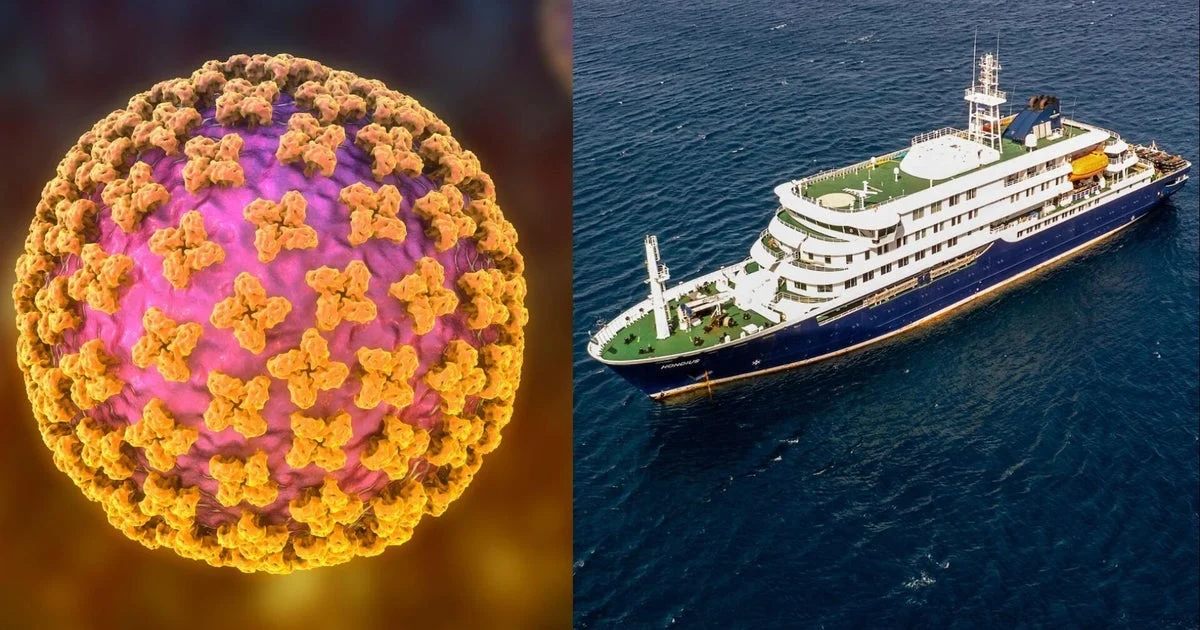
Two passengers who disembarked from a cruise ship infected with hantavirus may have contracted a rare strain capable of spreading from person to person, South African health officials have indicated.
Hantavirus is typically transmitted through contact with rodent droppings, urine, or saliva, and human-to-human transmission is considered extremely uncommon. The detection of a possibly contagious strain among these passengers has drawn concern from health authorities.
While details about the cruise ship, the number of infected individuals, and the passengers’ current condition have not been disclosed, this development has prompted increased monitoring and investigation by public health officials in South Africa.
South African health agencies are collaborating with global health experts to confirm the strain’s identity and assess the potential risks posed to the public and other passengers.
Why it matters
Hantavirus infections are rare and often severe, with symptoms ranging from fever and muscle aches to potentially fatal respiratory complications. Identifying a strain capable of human-to-human transmission would mark a significant public health concern, as it could lead to wider outbreaks beyond the usual rodent-to-human pathway.
Prompt detection and containment measures are critical to preventing further spread, especially among close contacts of infected individuals, such as fellow travelers and healthcare workers.
Background
Hantavirus is a group of viruses primarily carried by rodents, and infections typically occur after inhaling contaminated dust or coming into direct contact with rodent excreta. Most hantavirus strains cause hantavirus pulmonary syndrome (HPS) or hemorrhagic fever with renal syndrome (HFRS), with varying severity depending on the strain.
Human-to-human transmission has been documented only in rare cases linked to specific strains, such as the Andes virus in South America. Widespread contagion is not characteristic of most hantavirus types.
This case could represent an unusual transmission event or signal the presence of a less-known variant, leading to closer scrutiny by authorities.
Health officials continue to monitor the situation and have urged anyone who was on the affected cruise ship and experiences symptoms such as fever, chills, muscle aches, or breathing difficulties to seek medical attention promptly.
Sources
This article is based on reporting and publicly available information from the following source:
Read more Health & Public Health stories on Goka World News.