
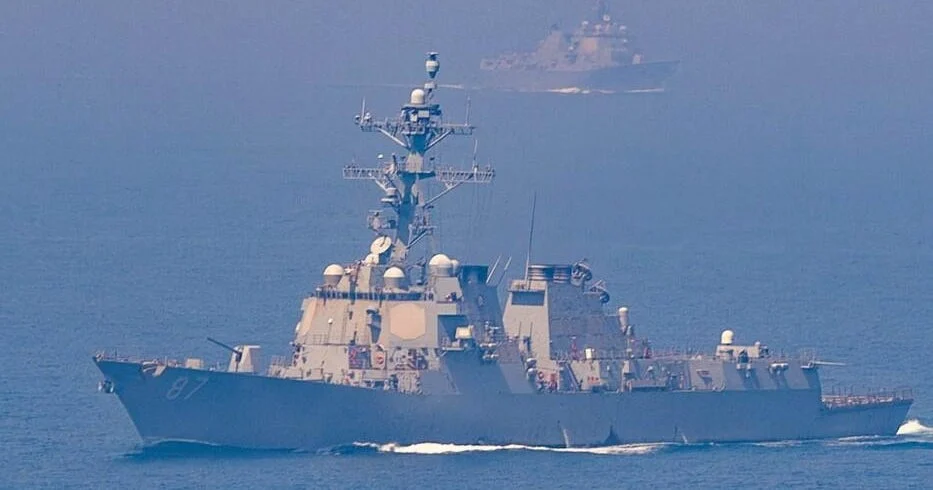
The Iranian military and government officials have declared that the United States has “crossed the point of no return” following U.S. attacks on Iranian ports near the Strait of Hormuz, escalating the ongoing conflict between the two nations. The incidents occurred after Iran reportedly fired missiles, drones, and small assault boats at three U.S. warships transiting the strategic waterway on May 7, 2026.
The U.S. Central Command stated that the warships were subjected to “unprovoked attack” but successfully destroyed all threats. In response, U.S. forces launched “self-defense strikes” targeting Iranian installations along the strait. Iran, however, claims the U.S. initiated the confrontation by firing first on Iranian vessels, including an oil tanker and a ship near the UAE coast, prompting retaliation.
Casualties and Damage Reported
Iranian state media quoted regional officials saying that ten Iranian sailors were wounded and five remained missing after the clash. Additionally, reports surfaced of a cargo vessel catching fire near the Iranian port of Minab during U.S. attacks in the vicinity.
On the U.S. side, the Pentagon reported no casualties or damage to its naval vessels during the confrontation. Meanwhile, the United Arab Emirates, a U.S. regional ally, disclosed that its air defenses intercepted Iranian ballistic missiles and drones, with debris causing moderate injuries to three people. The UAE has suffered extensive drone and missile attacks related to the Iran conflict, with hundreds of intercepted weapons and dozens of civilian casualties reported since hostilities began.
Diplomatic Standoff and Ceasefire Status
Despite the violent exchange, President Donald Trump maintained that the existing ceasefire with Iran remains “in effect,” although he warned that the U.S. could respond more forcefully if Iran rejects peace proposals. Iranian officials described the ceasefire as “nominal” following the latest attacks, accusing the U.S. of violating the agreement established on April 8, 2026.
Iran’s Foreign Ministry condemned Washington’s military actions as breaches of both the ceasefire and international law, citing violations of Article 2(4) of the UN Charter. Iranian Foreign Minister Abbas Araghchi criticized the U.S. for opting for “reckless military adventure” whenever diplomatic solutions appear possible and vowed that Iran would never yield to pressure.
Seizure of Oil Tanker Adds to Tensions
Further complicating the situation, Iran announced it had seized an oil tanker, the Ocean Koi, in the Sea of Oman, alleging the vessel was attempting to disrupt Iranian oil exports. Iranian state media showed footage of naval commandos boarding the ship and handing it over to judicial authorities. The tanker, reportedly linked to Iran’s “shadow fleet” that evades sanctions, had been off Oman’s coast for several weeks under a different name.
Why it matters
The recent military clashes mark a significant escalation in U.S.-Iran tensions with potential implications for global oil supplies given the strategic importance of the Strait of Hormuz. The conflicting accounts of aggression and counterattack underscore the fragile nature of the ceasefire agreement and raise concerns about the risk of wider regional conflict.
The interception of missiles and drones over the UAE highlights the spillover risks for neighboring states, many of which are close U.S. allies. The ongoing hostilities and the seizure of vessels involved in sanction evasion signal that diplomatic efforts face substantial hurdles in stabilizing the volatile situation.
Sources
This article is based on reporting and publicly available information from the following source:
Read more World News stories on Goka World News.