
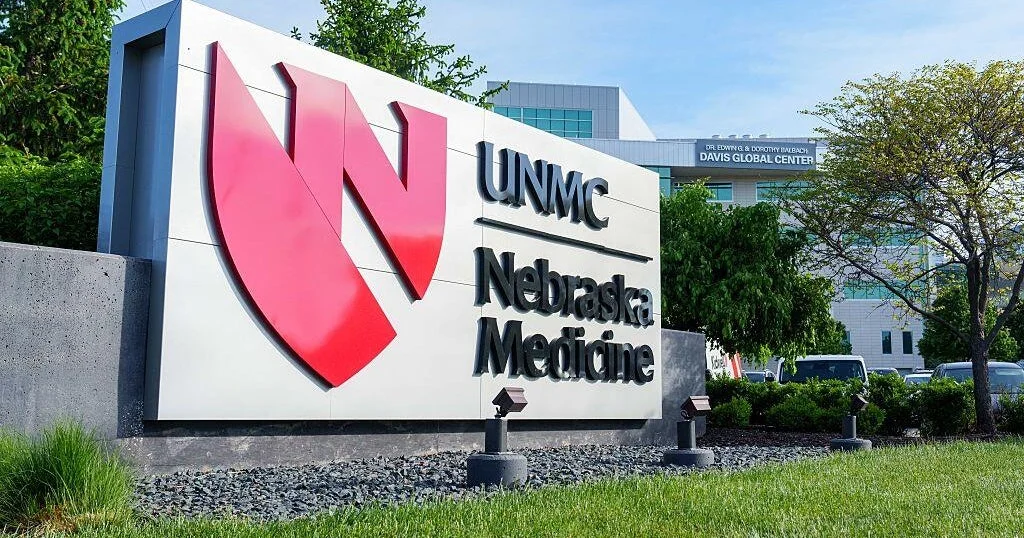
Fifteen Americans who were aboard a cruise ship affected by a hantavirus outbreak were placed in quarantine at the University of Nebraska Medical Center (UNMC) in Omaha upon their return to the United States.
The UNMC houses the National Quarantine Unit, the only federally funded facility of its kind, which is designed to safely monitor individuals exposed to infectious diseases. It was first utilized during the early phase of the COVID-19 pandemic.
“There is no place in the country that they could be better cared for more safely and more effectively,” said Dr. Jeffrey Gold, president of the University of Nebraska.
The quarantine unit accommodates well individuals who require monitoring. It contains 20 single-occupancy rooms equipped with negative air pressure systems and filters to prevent the spread of pathogens. The rooms include private bathrooms, exercise equipment, and Wi-Fi, aiming to maintain comfort while preventing infection spread, according to Angela Hewlett, medical director of the Nebraska Biocontainment Unit.
If any quarantined passengers develop symptoms, they are transferred to the Nebraska Biocontainment Unit, a patient care facility on the same campus that provides hospital-level treatment for infectious diseases. One passenger from the cruise ship was moved there after developing symptoms and is reported to be doing well.
Given capacity limits at Nebraska’s biocontainment unit, which typically treats two to three hantavirus patients, two other symptomatic individuals were taken to Emory University’s biocontainment facility in Atlanta for specialized care.
Why it matters
The National Quarantine Unit and Biocontainment Unit at UNMC play a critical role in managing infectious disease exposure in the U.S., ensuring patients receive monitoring and care while minimizing community risk. These facilities have previously responded to outbreaks such as COVID-19 and Ebola, underscoring their preparedness for emergent infectious threats like hantavirus.
Background
Hantavirus is a rare but potentially severe virus transmitted primarily through rodent excreta, which can cause acute respiratory distress. The quarantine unit used for these passengers was established in 2020 for Americans evacuated during the COVID-19 outbreak. The biocontainment unit has treated early COVID-19 patients and Ebola cases, offering negative pressure rooms and specialized hospital care designed to contain highly infectious diseases.
Michael Wadman, medical director of the National Quarantine Unit, emphasized that no visitors are allowed except medical staff, and individuals are closely monitored through temperature checks and symptom surveillance during their stay. The layered approach of quarantine followed by biocontainment treatment aims to contain the virus effectively while ensuring quality patient care.
This response exemplifies coordinated federal and state efforts to manage infectious disease threats safely and effectively.
Sources
This article is based on reporting and publicly available information from the following source:
Read more US News stories on Goka World News.