
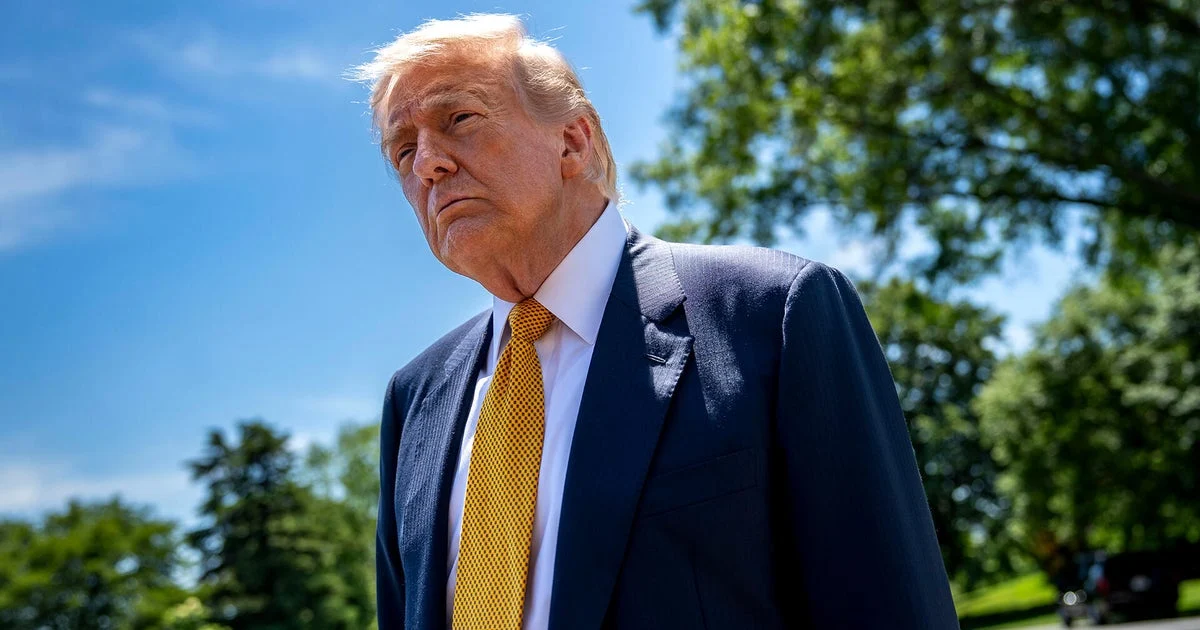
President Donald Trump will travel to Beijing for a high-level meeting with Chinese President Xi Jinping during a period of significant economic challenges for the United States. This diplomatic engagement comes as inflation in the U.S. has surged to its highest rate in almost three years, raising concerns among policymakers and the public.
Meeting Between U.S. and Chinese Leaders
The planned summit in Beijing marks an important moment in U.S.-China relations, as both nations navigate ongoing tensions over trade, security, and global economic stability. While specific agenda details remain limited, the talks are expected to address bilateral issues and seek common ground amid growing geopolitical complexities.
Inflation at a Three-Year High
Recent economic data shows inflation rates climbing to levels not seen in nearly three years, impacting consumer prices and purchasing power across the country. Rising costs for everyday goods and services have heightened concerns about the economic outlook, influencing discussions among government officials and financial markets.
Why it matters
The timing of President Trump’s visit underscores the interconnectedness of global diplomacy and domestic economic conditions. U.S.-China relations play a critical role in shaping international trade policies that can either mitigate or exacerbate inflationary pressures. The outcomes of this meeting could have direct implications for economic strategies and inflation control measures in the months ahead.
Sources
This article is based on reporting and publicly available information from the following source:
Read more Politics stories on Goka World News.