
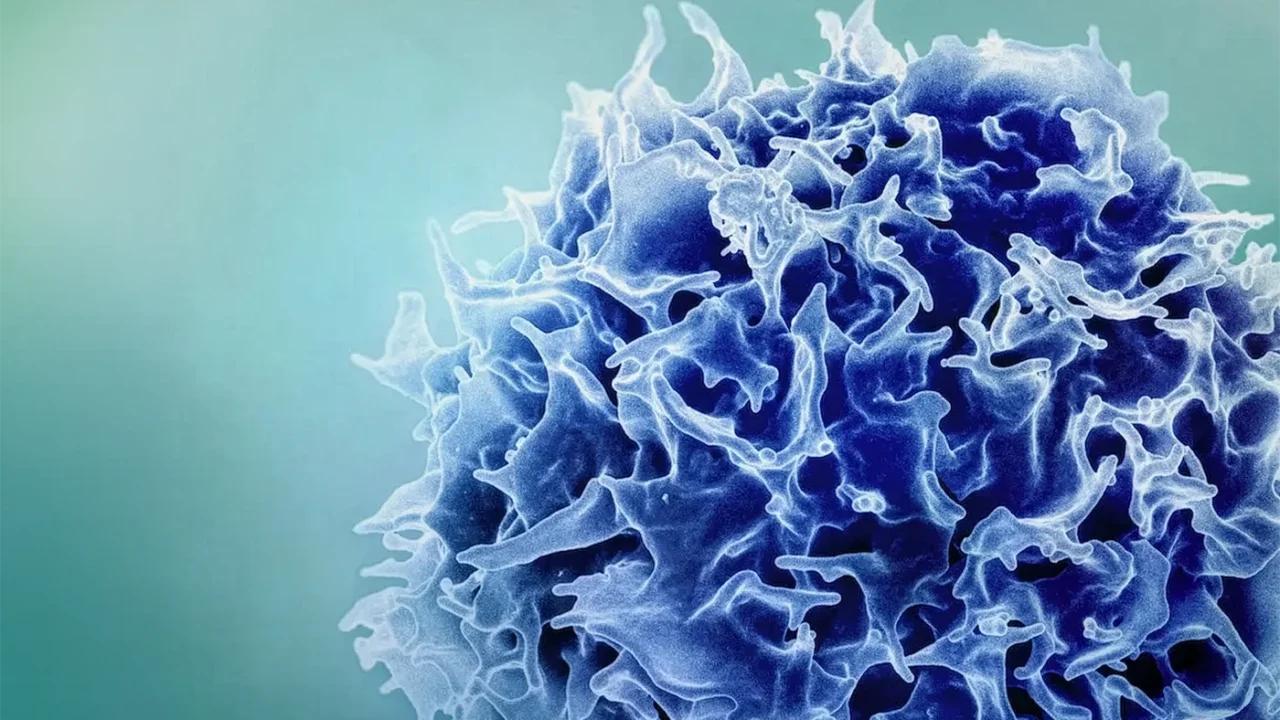
MIT engineers have developed a novel mRNA-based adjuvant that amplifies the T-cell response in vaccines, a breakthrough that could lead to more effective cancer vaccines and stronger protection against infectious diseases like influenza and COVID-19.
Unlike typical vaccines that stimulate antibodies and T cells by activating antigen-presenting cells such as dendritic cells, the new adjuvant delivers mRNA encoding genes that activate immune signaling pathways. This approach reprograms the immune system to generate a more robust and sustained T-cell response.
How the mRNA Adjuvant Works
The adjuvant consists of mRNA strands encoding two key genes, IRF8 and NIK, which are important for antigen presentation and immune cell activation. NIK is an enzyme that triggers immune and inflammatory signaling pathways, while IRF8 is a transcription factor that programs dendritic cells—especially the cDC1 subset critical for activating T cells.
The mRNA is packaged in lipid nanoparticles optimized for delivery to the spleen, where antigen-presenting cells take up the material and begin expressing IRF8 and NIK. This expression matures dendritic cells into a phenotype that effectively primes T cells, expanding the population of antigen-specific T cells over several days.
Results in Cancer Models
In mouse models of aggressive bladder cancer, colon carcinoma, melanoma, and metastatic lung cancer, the mRNA adjuvant induced a strong T-cell response that significantly inhibited tumor growth and, in many cases, led to complete tumor eradication. Notably, the immune activation occurred even without a specific tumor antigen, though including tumor-specific antigens enhanced the effect.
The study also showed that the mRNA adjuvant improved the effectiveness of checkpoint blockade inhibitors, FDA-approved immunotherapy drugs that remove tumor-induced brakes on T cells. The adjuvant created a tumor microenvironment more permissive to T cell activity, promoting tumor rejection where these drugs alone often fall short.
Application Beyond Cancer Vaccines
When combined with influenza and COVID-19 vaccines in mice, the mRNA adjuvant increased the T-cell response by 10 to 15 times, suggesting broader potential to boost immunity against infectious diseases.
The research team, including scientists from MIT, Harvard Medical School, and Massachusetts General Hospital, plans further animal studies with hopes of developing the adjuvant for human use in both cancer and infectious disease vaccines.
Why it matters
This technology addresses a key limitation of current cancer vaccines, which often fail to evoke sufficiently strong immune responses in all patients. By enhancing T-cell activation internally within antigen-presenting cells, the mRNA adjuvant offers a promising strategy to achieve more consistent and durable antitumor immunity with potentially fewer side effects than cytokine delivery.
Moreover, the ability to amplify T-cell responses for viral vaccines could improve their efficacy, particularly important for pathogens where T-cell immunity is critical for protection.
Background
Current cancer vaccines approved by the FDA stimulate immune responses by presenting tumor antigens, but patient outcomes vary widely due to insufficient T-cell activation. Immune-stimulating cytokines have been explored as adjuvants, but their systemic effects can cause severe side effects. The new mRNA approach harnesses internal immune signaling pathways to activate dendritic cells without overstimulating the immune system, representing an innovative direction in vaccine design.
The study was published in Nature Biotechnology and funded by Sanofi, the National Institutes of Health, and other research institutions affiliated with cancer nanomedicine and immunotherapy.
Sources
This article is based on reporting and publicly available information from the following source:
Read more Health & Public Health stories on Goka World News.