
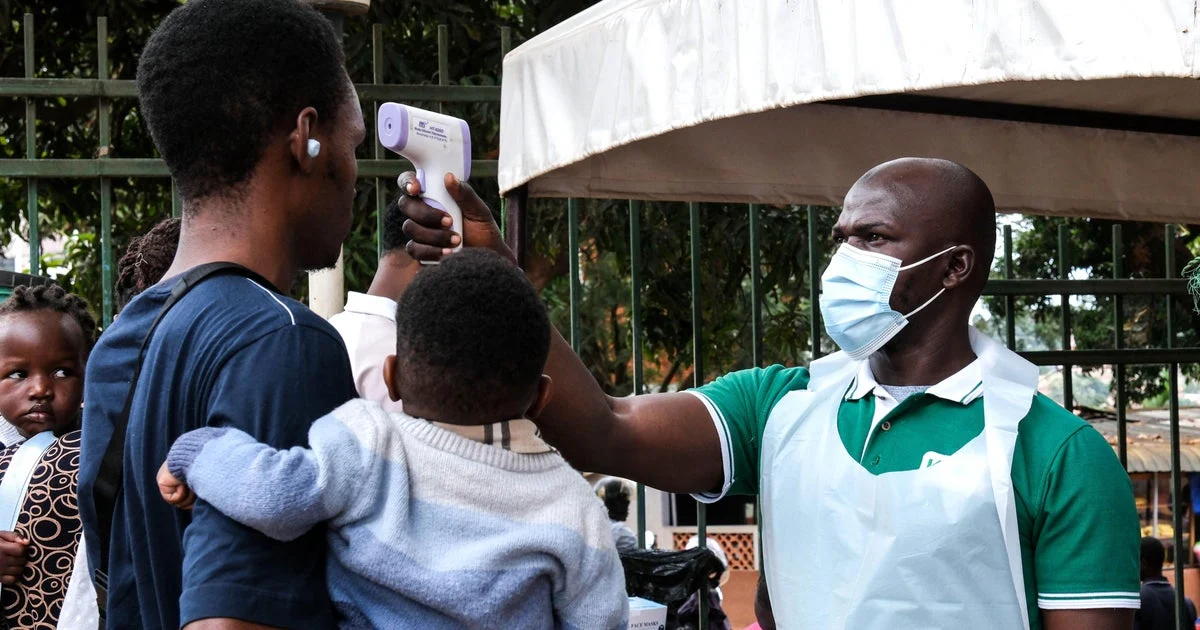
At least 80 people have died in the latest Ebola outbreak in the Ituri province of eastern Democratic Republic of Congo (DRC), health authorities reported as of May 16, 2026. The World Health Organization (WHO) subsequently declared the outbreak a “public health emergency of international concern,” highlighting the urgency of intensified containment efforts.
Outbreak details and spread
The outbreak was first officially announced on May 15, with 65 deaths and 246 suspected cases noted at that time. Subsequent testing confirmed eight cases, including four deaths, as positive for the Bundibugyo virus strain of Ebola. This variant is less common and has only caused two previous known outbreaks: one in Uganda in 2007 (55 cases) and another in Congo in 2012 (57 cases).
The suspected index patient, a nurse in the provincial capital Bunia, died in late April after showing symptoms consistent with Ebola. Disease has so far been confirmed across three health zones in Ituri—Bunia, Rwampara, and Mongwalu—with ongoing efforts to screen individuals and trace contacts.
Authorities expressed concern over the outbreak’s geographic proximity to neighboring countries. Uganda confirmed an imported Ebola case resulting in a fatality in Kampala on May 14. The patient’s body was returned to Congo, and no other local cases have been confirmed in Uganda to date. Kenya assessed the risk of virus importation as moderate and has enhanced surveillance at border points.
Challenges in containment
Experts warn containment is complicated due to Ituri’s volatile security situation. The province faces ongoing violence related to Islamic State-backed militias and experiences significant population movement between Congo, South Sudan, and Uganda. The vast size of Congo also poses logistical challenges in mobilizing medical resources and personnel promptly.
Notably, there are currently no approved vaccines or treatments specifically for the Bundibugyo strain, increasing concerns among medical professionals about controlling the spread. Healthcare workers remain at particular risk given their close contact with infected patients, a reality underscored by a New York doctor who survived Ebola and expressed worry about frontline staff safety.
WHO and international response
The WHO’s emergency declaration signals the need for heightened global awareness and coordinated response. The Africa Centres for Disease Control and Prevention and aid organizations like Doctors Without Borders have prepared large-scale interventions to address the outbreak’s rapid progression.
Concerns have been raised about potential delays and capacity limitations in international response efforts. Experts cite reductions in U.S. global health resources, including cuts to the U.S. Agency for International Development and the country’s withdrawal from the WHO, as factors that may hinder rapid deployment of support on the ground.
Why it matters
This outbreak highlights ongoing vulnerabilities in controlling Ebola variants with no approved vaccines or treatments, especially in conflict-affected regions with porous borders. The spread to Uganda underlines the risk of wider regional transmission. Prompt screening, contact tracing, and cross-border cooperation are critical to preventing further escalation.
Global health authorities are closely monitoring the situation to gauge potential for expansion beyond Central Africa and to strengthen preparedness efforts, given Ebola’s severe and often fatal nature.
Sources
This article is based on reporting and publicly available information from the following source:
Read more Health & Public Health stories on Goka World News.