
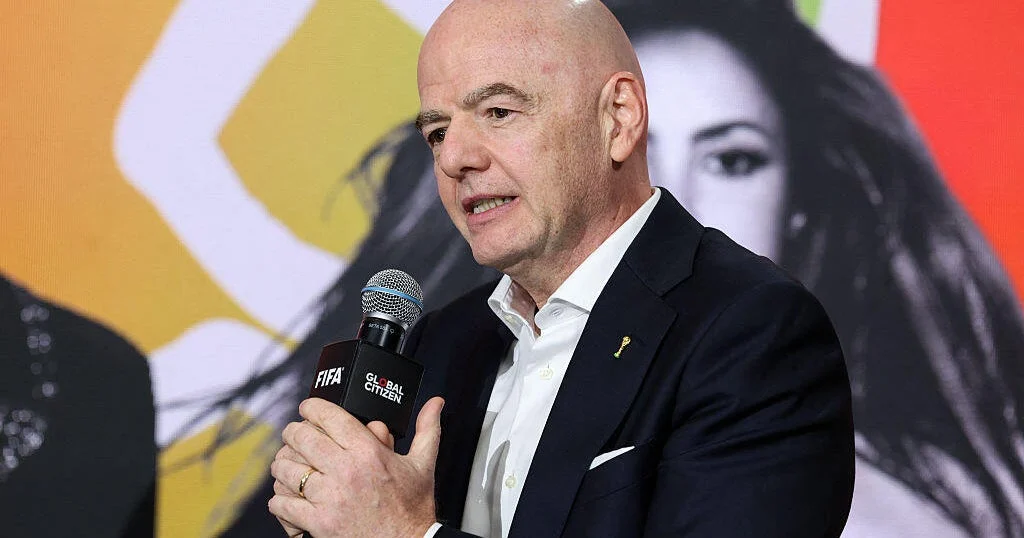
FIFA is drawing widespread criticism as ticket prices and associated travel costs for the 2026 World Cup surge to unprecedented levels, leaving many soccer fans and local officials expressing frustration and sticker shock.
The 2026 tournament, which will be the largest ever with 48 teams competing across the United States, Canada, and Mexico, is projected by FIFA to generate a record $10.9 billion in revenue. However, the expanded format and global scale have coincided with sharply rising costs for fans seeking to attend matches.
Record-High Ticket Costs
FIFA’s official resale platform has featured tickets with staggering prices, including some final match resale tickets priced as high as $2 million, though FIFA President Gianni Infantino emphasized that such prices do not indicate actual sales at those levels. The official selling price for premium final tickets was tripled recently, reaching nearly $34,000, according to the Associated Press.
Ticket analytics from TicketData showed the average resale price for the cheapest tickets to group stage games at $553, while the lowest-priced ticket for the final was $7,734. Secondary market ticket listings reported by CBS News have gone as high as $45,000.
Political and Legal Pushback
Political figures have voiced their concerns publicly. Former President Donald Trump remarked that he would not pay $1,000 to watch the U.S. play Paraguay, calling the prices prohibitive. California Attorney General Rob Bonta sent a letter to FIFA demanding clarity on ticketing practices after complaints about changes in seating categories and assignments that fans allege were misleading.
Meanwhile, Vancouver officials also pushed back against FIFA’s demands, refusing a police motorcade for Infantino, with the mayor’s office stating any event transportation would be handled in line with standard safety practices for major events.
High Transit Costs for Fans
Beyond ticket prices, transit fees for attending matches add to fans’ financial burden. New Jersey Transit will charge $98 round-trip train fares from Manhattan to MetLife Stadium, significantly higher than the usual $13 fare, to cover estimated operational costs of $48 million for running services during World Cup games. Similarly, train tickets from Boston to Foxboro for matches at Gillette Stadium have risen from typical event prices of about $20 to $75 for the World Cup.
Signs of Fan Reluctance
Initial data suggest these elevated costs might be discouraging attendance. Commercial real estate company CoStar reported that some New York City hotels have only one-third occupancy on World Cup match nights, a 12% decline compared to the same period last year.
Why it matters
The high cost of attending the World Cup raises concerns about accessibility and inclusiveness for fans. Expensive ticket and transportation fees risk alienating traditional soccer supporters and generating negative publicity for FIFA. The backlash also places pressure on FIFA and host governments to address pricing transparency, logistical planning, and equitable fan access to the tournament.
Background
The 2026 FIFA World Cup is the first to include 48 national teams, up from 32 in previous tournaments. Matches will be held across 16 cities in three countries, marking the largest World Cup ever by scale, duration, and expected revenue. FIFA’s ticketing approach includes an official resale marketplace designed to manage demand and limit black-market sales, but the added fees and resultant price escalation have led to widespread controversy.
Sources
This article is based on reporting and publicly available information from the following source:
Read more World News stories on Goka World News.