
The World Health Organization (WHO) has upgraded the Ebola outbreak risk level to “very high” at the national level in the Democratic Republic of Congo (DRC) as the virus spreads rapidly in the northeastern region. The outbreak has confirmed 82 cases and seven deaths, but more than 700 suspected cases and over 170 suspected deaths indicate the epidemic is much larger than officially confirmed.
WHO Director-General Tedros Adhanom Ghebreyesus stressed that although the risk of spread within the DRC is very high, the risk remains lower at the regional and global levels. Neighboring Uganda has confirmed two cases with one death, but its situation is described as stable.
Local Response and Community Resistance
In response to the outbreak, authorities in northeastern Congo have banned funeral wakes and gatherings exceeding 50 people to curb transmission. Funerals are required to follow strict health protocols, but these measures have caused tension within communities. Misinformation and cultural clashes, particularly concerning burial rites, have resulted in resistance against health workers.
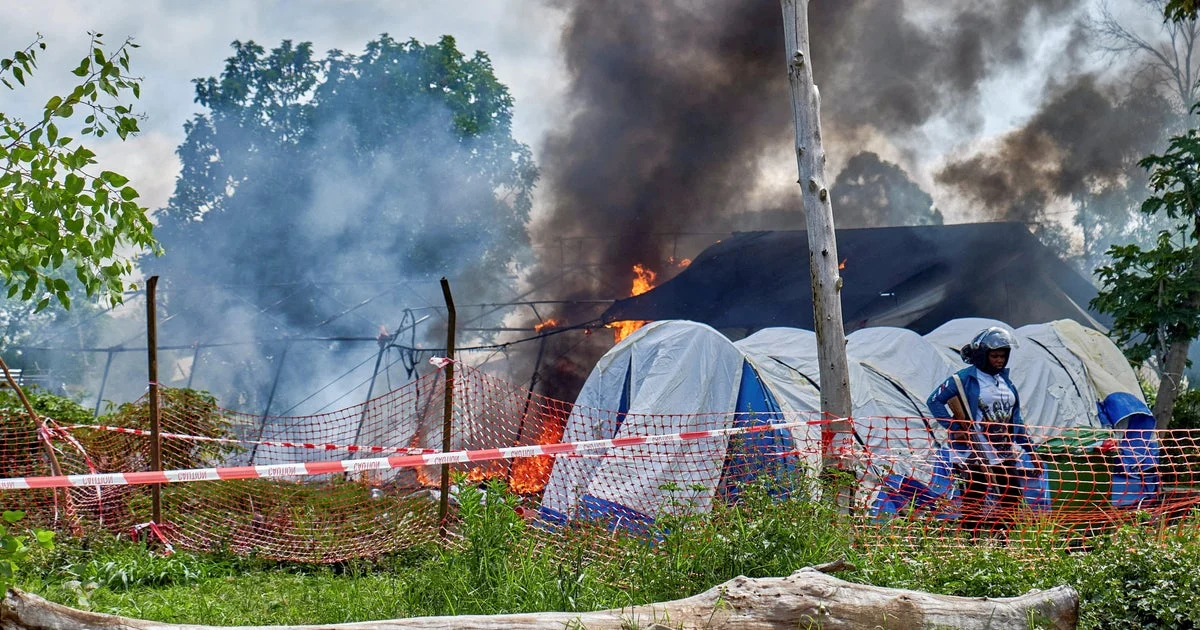
A significant incident occurred in Rwampara, where local youths set fire to an Ebola treatment center after authorities prevented them from claiming the body of a deceased Ebola patient. The arson forced aid workers to temporarily evacuate. Officials say the youths did not understand the protocols that require all Ebola victims to be buried under controlled conditions to prevent further spread.
Challenges Facing Containment Efforts
The outbreak is occurring amid ongoing armed conflict and a fragile health infrastructure. Ituri Province, where the outbreak is centered, hosts over 920,000 internally displaced people, complicating surveillance and medical response. Attacks by militant groups have further hindered efforts to stabilize the region.
There is currently no vaccine or specific treatment available for the Bundibugyo strain causing this outbreak. Experts estimate that a vaccine could take six to nine months to develop and distribute. Health organizations emphasize the urgency of early detection and rapid community engagement to prevent further spread.
International Precautions and Impact
The U.S. government has imposed travel restrictions on people who have recently visited Congo, Uganda, or South Sudan. Travelers from these countries are subject to additional screening or are barred from entry to the United States. The outbreak has led to cancellations of events, such as Congo’s national soccer team’s World Cup preparations, and postponement of major summits like the India-Africa Forum Summit due to concerns over the evolving health crisis.
Why it matters
The rapid spread of Ebola in a conflict-affected and resource-limited region poses serious public health challenges. Strict control measures and community cooperation are essential to prevent further transmission. Delays in vaccine availability and difficulties in healthcare delivery underscore the urgency of international support and effective local engagement to contain the outbreak.
Background
Ebola is a highly contagious viral hemorrhagic fever transmitted through contact with bodily fluids of infected individuals. The Bundibugyo strain, responsible for the current outbreak, is less common than other Ebola variants. The virus can cause severe symptoms, including fever, vomiting, diarrhea, muscle pain, and bleeding, and it can be fatal without prompt treatment.
The DRC has experienced multiple Ebola outbreaks over past decades, often exacerbated by regional instability and weak health systems. WHO declared this outbreak a public health emergency of international concern earlier this week, signaling the need for coordinated global action.
Sources
This article is based on reporting and publicly available information from the following source:
Read more Health & Public Health stories on Goka World News.