
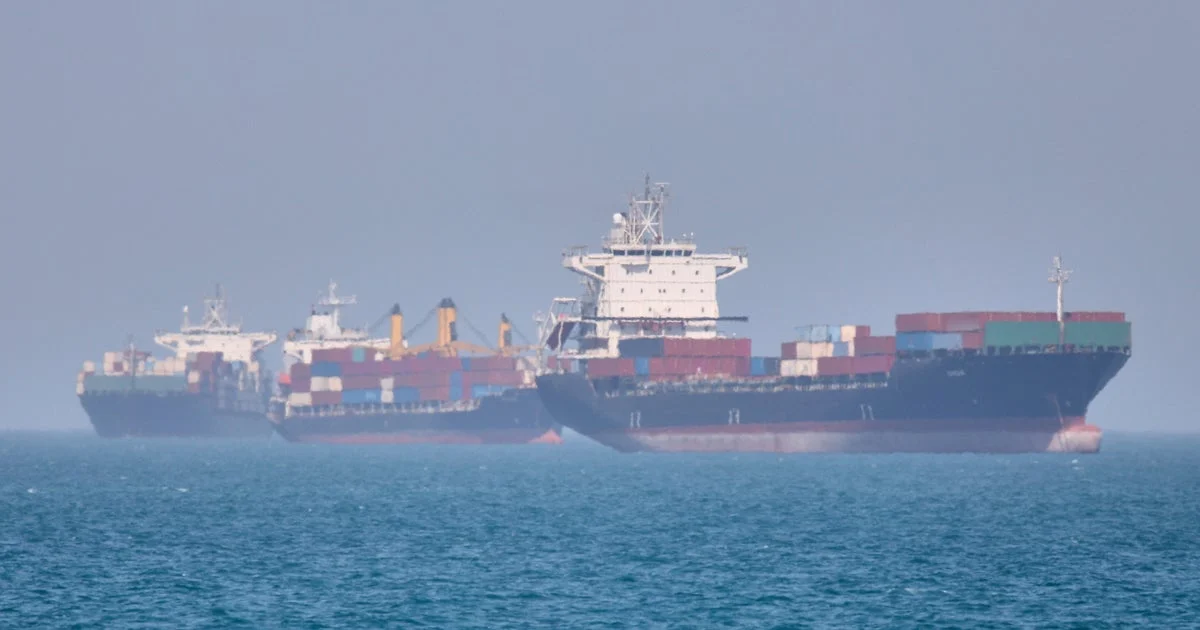
A draft memorandum proposing a deal between the United States and Iran includes a 60-day extension of the existing ceasefire, the immediate reopening of the Strait of Hormuz, and Iran’s commitment not to develop nuclear weapons or keep enriched uranium stockpiles, according to regional officials with knowledge of the talks.
What happened
The draft proposal, as reported by two regional officials, calls for Iran to cease all military operations on every front, including Lebanon, and for both Iran and the U.S. with their allies to commit to ending hostilities permanently. Iran would also be required to facilitate traffic through the Strait of Hormuz and restore conditions to pre-war status within 30 days. Despite agreeing in principle to open the strait in exchange for the lifting of a U.S. blockade, the specifics on how Iran’s enriched uranium stockpile would be disposed of remain undecided. The disposal mechanism is to be negotiated and agreed upon by both parties.
White House and regional officials confirmed these broad terms, with a senior U.S. official affirming Iran’s agreement in principle on key points except the complete end to military operations and the proposed 60-day ceasefire extension. Iran’s Foreign Ministry spokesman Esmaeil Baqaei stated that some issues remain unresolved and that the current focus of talks is on ending the war rather than nuclear details, which he said would be discussed within 60 days of any memorandum of understanding.
After consultations with Middle Eastern leaders, President Donald Trump declared the peace deal “largely negotiated” but emphasized that final details were still being finalized. Trump also warned that failure to reach an agreement could result in renewed and intensified conflict.
Why it matters
The proposed deal aims to halt ongoing conflict and stabilize a critical geopolitical region by reopening the Strait of Hormuz, a vital global oil shipping route disrupted due to hostilities. The ceasefire and permanent commitment to end military operations could reduce tensions across multiple fronts, including proxy conflicts in Lebanon. Iran’s agreement to cease nuclear weapons development and dismantle enriched uranium stockpiles addresses a major international security concern.
Successful diplomacy could prevent a broader war in the Middle East, ease energy market volatility, and potentially reshape U.S.-Iran relations. However, unresolved details and Iran’s cautious posture suggest that implementation and verification mechanisms will be crucial to the deal’s durability.
Background
Negotiations come amid ongoing conflict involving U.S. forces and Iran-backed militias across the Middle East. The U.S. has maintained sanctions and blockades aimed at curbing Iran’s nuclear ambitions and military influence. Recent escalations threatened to trigger military strikes, which ultimately were deferred as diplomacy advanced. Iran’s nuclear program has long been a point of contention, with international efforts focused on preventing weaponization while addressing broader regional security issues.
Sources
This article is based on reporting and publicly available information from the following source:
Read more World News stories on Goka World News.