
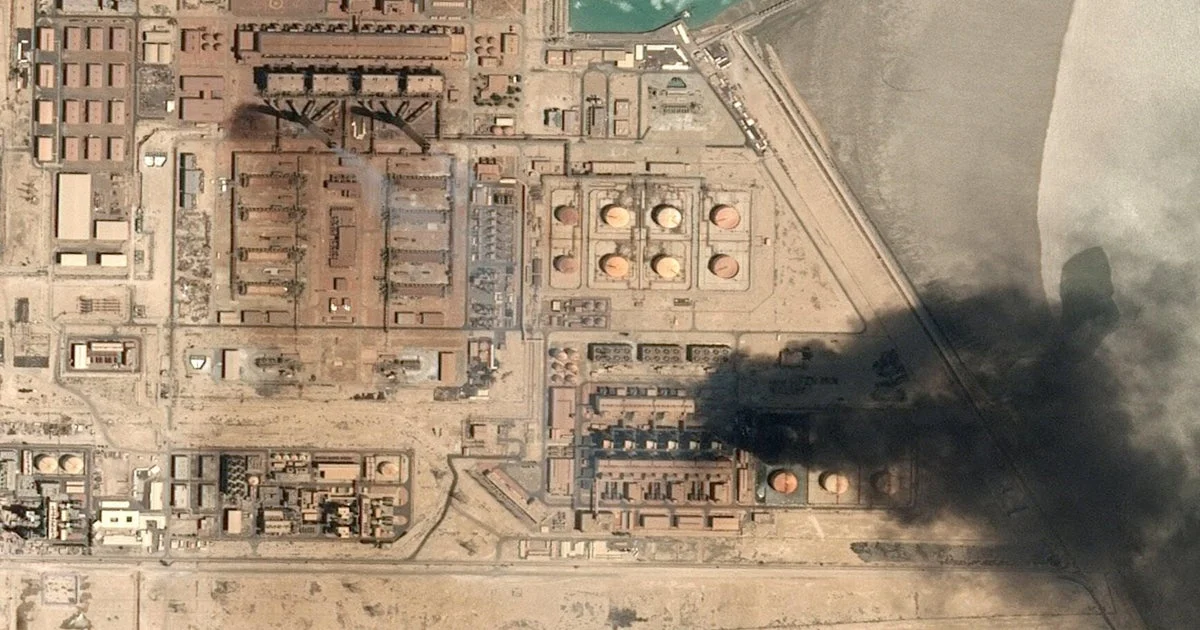
The United States has intensified its military campaign against Iran, conducting strikes for the twelfth consecutive night as regional tensions threaten key international shipping routes crucial to global oil supplies. These operations come amid renewed Iranian attacks in the strategic Strait of Hormuz and a new maritime threat posed by Iran-backed Houthi rebels targeting vessels in the Red Sea.
What Happened
On July 22, 2026, U.S. Central Command announced the completion of its twelfth consecutive night of airstrikes on Iranian targets. The strikes targeted Iranian maritime capabilities, missile and drone storage facilities, coastal surveillance sites, and air defense assets aimed at disrupting Iran’s ability to threaten civilian and commercial vessels.
Simultaneously, Iran’s Revolutionary Guard reported intercepting three oil tankers attempting to navigate the Strait of Hormuz, emphasizing their control over the critical waterway and warning that ships passing without Iranian coordination risk similar consequences. Meanwhile, Yemen’s Houthi rebels, aligned with Iran, claimed responsibility for attacks on two Saudi oil tankers in the Red Sea near the Bab al-Mandab strait, another vital chokepoint connecting the Indian Ocean to the Red Sea and the Suez Canal.
Key Facts
The U.S. military strikes have focused on undermining Iran’s maritime attack capabilities, seeking to protect commercial shipping lanes. The Strait of Hormuz remains officially open according to the Pentagon; however, maritime traffic has slowed markedly following recent Iranian assaults on tankers. The Revolutionary Guard has emphasized its control, stating that oil tankers that ignore Iran’s mine-laid routes will face severe consequences.
The Houthi strike on July 22 involved a “projectile” hit on a tanker in the Red Sea, causing an onboard fire but no reported casualties. The UK’s Maritime Trade Operations Centre verified this incident and noted the timing coincided with Houthi claims on social media threatening a maritime embargo against Saudi Arabia. According to analytics firm Kpler, multiple ships have recently rerouted to avoid the Bab al-Mandab strait following these attacks.
Additional regional developments include Kuwait’s declaration that it is actively intercepting Iranian drones amid frequent assaults, underscoring the widening scope of Iran’s regional confrontations.
Casualty reports related to the broader U.S.-Iran conflict indicate 18 U.S. service members killed and 482 wounded, reflecting ongoing combat and attacks across multiple fronts.
What This Means
The continuation and intensification of U.S. strikes against Iran signal a firm commitment to counter Iranian influence and protect critical maritime trade routes that affect global energy supplies. Disruptions in the Strait of Hormuz and Bab al-Mandab straits could have far-reaching implications, driving up global oil prices and encouraging shipping reroutes that increase costs and transit times.
For international markets and maritime industries, these developments underscore the vulnerability of global oil transportation to geopolitical conflicts. The involvement of Yemen’s Houthis extends the regional instability beyond the Persian Gulf to the Red Sea, potentially threatening two of the world’s most important maritime chokepoints simultaneously. This multiplies risks for commercial shipping, exacerbates regional tensions, and challenges diplomatic efforts toward a resolution.
Moreover, Iran’s assertive control claims and aggressive posture, paired with U.S. military pressure, suggest a prolonged stalemate that could hinder regional stability. The ongoing conflict places nearby Gulf countries and their allies on heightened alert, complicating international relations in a vital and volatile energy corridor.
Background
Iran has long sought to assert dominance over the Strait of Hormuz, a waterway through which approximately 20% of the world’s petroleum passes. Recent months have seen escalated Iranian attacks on tankers and commercial ships to pressure maritime traffic into using routes approved and controlled by Tehran. The U.S. has responded with persistent strikes to degrade Iran’s military and surveillance infrastructure.
Yemen’s Houthi rebels, backed by Iran, have historically targeted shipping in the Red Sea to advance their conflict with Saudi Arabia and its regional allies. Past attacks in 2023 and 2024 on commercial vessels have heightened security concerns for this alternate energy transit route.
What Comes Next
The U.S. military appears poised to continue its airstrikes until Iranian threats to commercial shipping abate. Regional governments remain vigilant with enhanced security measures, including Kuwait’s ongoing drone intercept efforts. The geopolitical atmosphere suggests persistent tension, with no immediate diplomatic solutions confirmed. Meanwhile, shipping companies are expected to continue avoiding the most affected waterways, further complicating logistics and trade flows.
Sources
This article is based on reporting and publicly available information from the following sources:
Read more World News stories on Goka World News.