
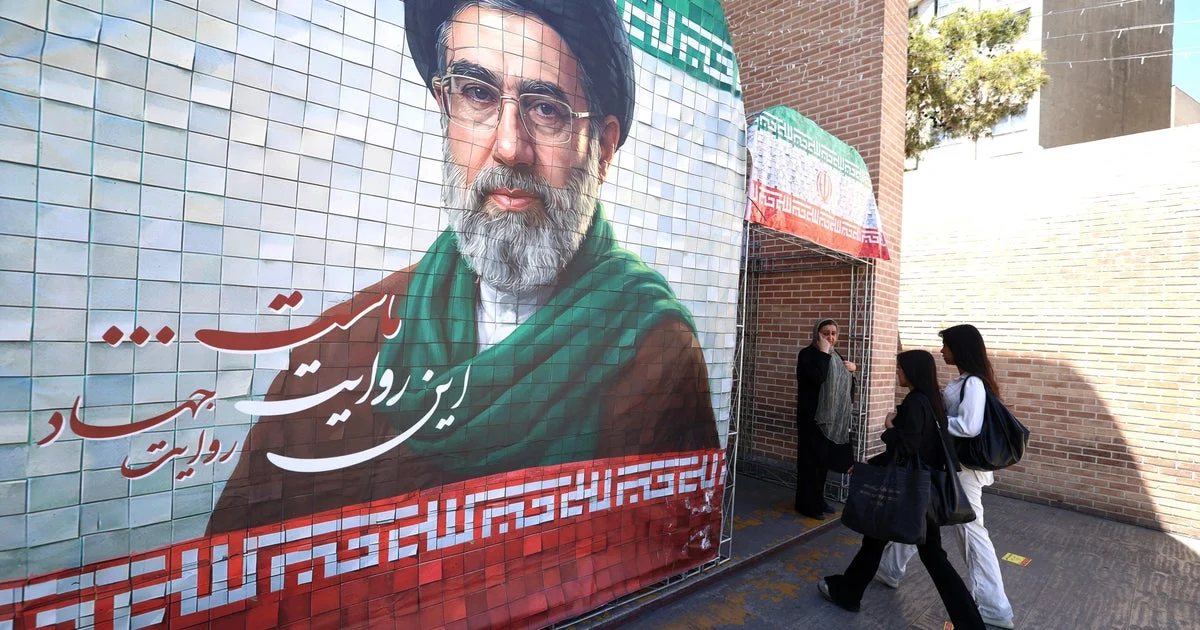
U.S. intelligence reports indicate that Iran’s Supreme Leader, Mojtaba Khamenei, is currently concealed in an undisclosed location with severely restricted external contact, according to U.S. officials familiar with the situation. This isolation affects internal Iranian government communications, causing delays in responses to U.S. diplomatic proposals.
The Iranian leadership is reportedly using a complex network of couriers to relay messages to Khamenei, as even high-ranking officials remain unaware of his exact whereabouts or have direct contact with him. This system results in significant latency in communications, hindering timely decision-making. One senior U.S. official explained that when the U.S. submits proposed deal details, they often experience long waits before receiving replies from Iran.
This communication challenge partly explains the slow emergence of details regarding the potential nuclear agreement framework. Though the Supreme Leader has given broad directives to his subordinates about negotiation boundaries, precise input or approvals come with substantial delays.
Reports also indicate that Khamenei is taking extraordinary precautions to avoid targeted assassinations similar to those experienced by his father, Ayatollah Ali Khamenei, who led Iran from 1989 until his death in 2026. The current Supreme Leader has not been publicly seen or heard from since before the conflict escalated.
U.S. and Israeli intelligence have successfully located and neutralized much of Iran’s senior leadership through information obtained inside the Iranian government during the ongoing conflict. Most Iranian officials now reportedly remain in heavily fortified bunkers, minimizing communication to only essential interactions.
A senior U.S. official described leadership coordination efforts within Iran as “almost like watching a sitcom,” highlighting their visible frustration and difficulty in managing communications under extreme security conditions.
President Donald Trump indicated optimism about the status of the nuclear deal, stating on Truth Social that he expected a final agreement within the coming days. The White House, however, declined to comment on intelligence specifics regarding Khamenei’s location or Iran’s internal communication methods.
Why it matters
The Supreme Leader’s isolation and communication delays could significantly impact the pace and success of diplomatic negotiations between the U.S. and Iran, especially regarding nuclear agreements. Restricted internal coordination among Iran’s top officials may affect decision-making stability during ongoing tensions and conflict.
Background
Mojtaba Khamenei assumed leadership following the death of his father, Ayatollah Ali Khamenei, in early 2026. The current conflict involving Iran has included targeted strikes by U.S. and Israeli forces, severely affecting Iranian senior leadership dynamics. These security concerns have forced unprecedented defensive measures, including strict physical isolation of top officials to prevent further attacks.
Sources
This article is based on reporting and publicly available information from the following source:
Read more World News stories on Goka World News.