
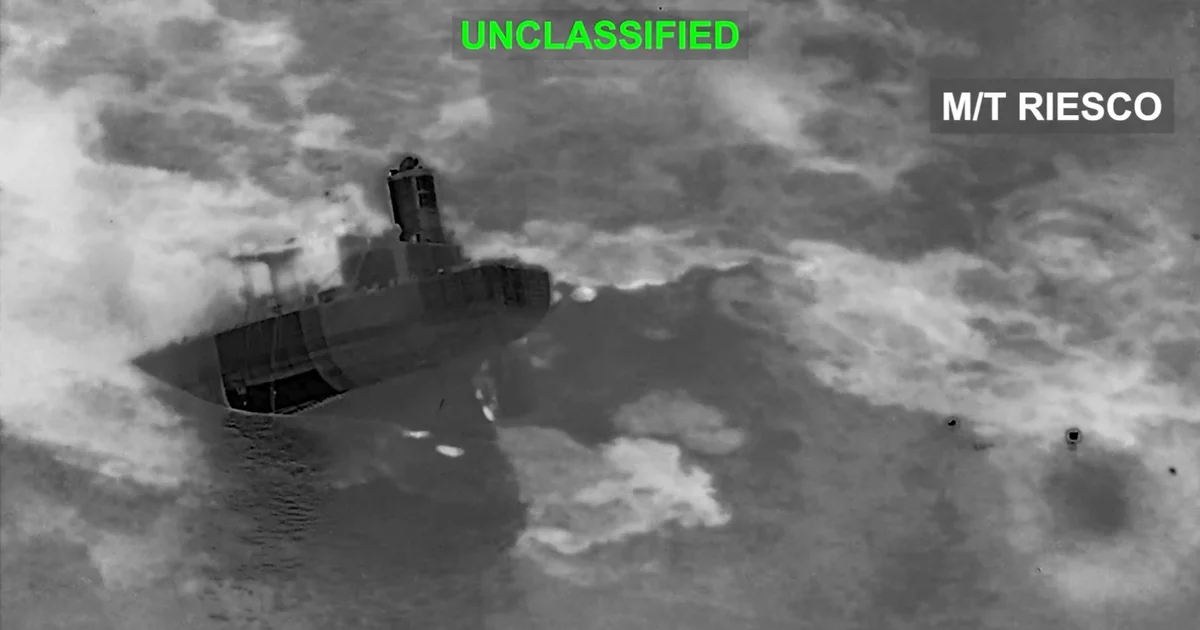
Oil prices surged past $100 per barrel as new hostilities between the United States and Iran unfolded around the strategic Strait of Hormuz, a vital chokepoint for global energy supplies. The renewed violence not only heightened geopolitical tensions in the Middle East but also sent ripples through international oil markets, marking the highest price spike since May 2026.
What Happened
On September 8 and 9, 2026, confrontations intensified near the Strait of Hormuz, with Iran launching missile attacks targeting U.S. assets across the region in retaliation for American strikes on Iranian oil tankers. The U.S. military’s Central Command announced it destroyed five Iranian oil tankers in response to Iranian ballistic missile attempts against U.S. warships. Jordanian forces intercepted 18 Iranian missiles during the flare-up, reporting no casualties. The clashes have significantly disrupted tanker traffic through this critical maritime corridor.
Key Facts
Brent crude, the global oil benchmark, rose to $101 per barrel on September 9, marking its highest level in 15 weeks. A Goldman Sachs analysis suggests prices could climb above $120 per barrel if the conflict persists. Jordan Military reported intercepting 18 Iranian missiles with no casualties. The U.S. Central Command destroyed five Iranian oil tankers following attempts by Iran to attack U.S. warships with ballistic missiles.
What This Means
The escalation between the U.S. and Iran in and around the Strait of Hormuz threatens to destabilize one of the world’s most crucial oil transit routes, directly impacting global energy security and potentially exacerbating inflation through surging fuel costs. Given the Strait’s role in transporting roughly 20 percent of global oil shipments, any prolonged disruption risks constraining supply and increasing volatility in worldwide energy markets. Beyond energy prices, the conflict risks drawing regional actors into broader confrontations, undermining diplomatic efforts and inflaming humanitarian crises already underway in parts of the Middle East.
For consumers around the world, higher oil prices can translate into increased costs for gasoline, transport, and goods, which could slow economic growth or raise living expenses. For regional governments and international organizations, the situation demands urgent diplomatic engagement to prevent further escalation and secure the safe passage of maritime traffic.
Background
The eruption of the Iran war in February 2026 followed years of tensions over Iran’s nuclear program, regional influence, and involvement in proxy conflicts. This latest conflict involves sustained military exchanges, including missile and tanker strikes, with the U.S. and its allies aiming to curtail Iran’s expansive activities. The International Atomic Energy Agency recently referred Iran to the U.N. Security Council over unresolved nuclear compliance issues. This marks the first such referral in two decades and adds diplomatic pressure amid ongoing military hostilities.
What Remains Unclear
It remains unconfirmed how extensive the Iranian missile strikes were beyond those intercepted by Jordan, and the full extent of damage to U.S. assets has not been detailed. The origins of some attacks on oil tankers in Iraqi territorial waters are still under investigation. The potential for any immediate diplomatic resolution or ceasefire also remains uncertain as both sides continue military operations and issue warnings of intensified retaliation.
What Comes Next
Diplomatic efforts are expected to continue as the International Atomic Energy Agency and U.N. Security Council deliberate on Iran’s nuclear activities amid the ongoing war. Regional countries, including Jordan and Lebanon, have raised concerns about escalating instability. Meanwhile, monitoring of maritime traffic through the Strait of Hormuz will remain critical as both Iranian and U.S. forces engage in heightened military activity. The global energy sector will closely watch these developments for potential further impacts on oil supply and prices.
Sources
This article is based on reporting and publicly available information from the following sources:
Read more World News stories on Goka World News.