
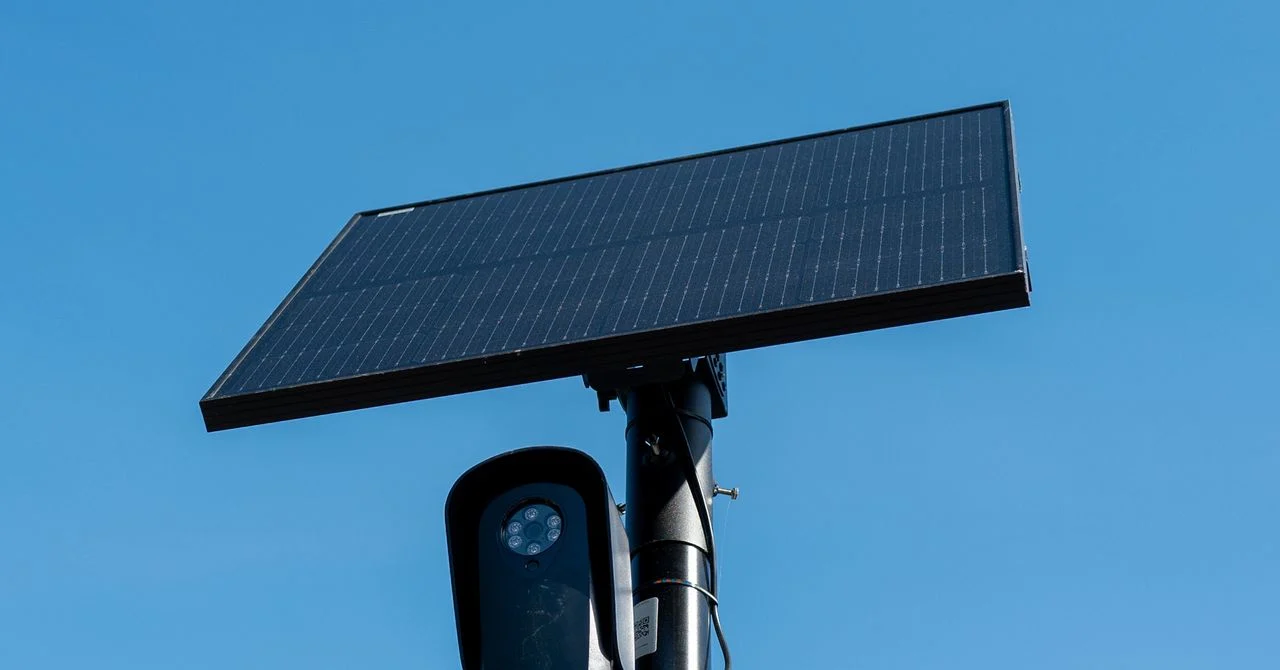
US lawmakers have proposed a bipartisan amendment that would prohibit recipients of federal highway funding from using automated license plate readers (ALPRs) for any purpose besides toll collection. If passed, the measure would effectively end state and local police use of ALPR programs nationwide.
What happened
The amendment, sponsored by Representative Scott Perry (R-PA) and Representative Jesús “Chuy” García (D-IL), is set for consideration during a House Transportation and Infrastructure Committee markup session on a $580 billion, five-year surface transportation reauthorization bill. The proposal states: “A recipient of assistance under Title 23, United States Code, may not use automated license plate readers for any purpose other than tolling.”
This language would condition federal highway funds—which support about a quarter of all US public roads—on banning ALPR use by law enforcement, forcing jurisdictions reliant on such funding to either dismantle ALPR networks or repurpose them solely for tolling.
ALPRs are cameras mounted on roadsides, traffic signals, and police vehicles that capture license plate data, log locations and timestamps, and feed this information into databases accessible across multiple law enforcement agencies. These surveillance systems have become widespread, raising privacy concerns and legal challenges.
Why it matters
The amendment reflects growing bipartisan concern about mass surveillance enabled by ALPRs. Privacy advocates warn that the technology facilitates warrantless tracking of individuals’ movements through extensive, searchable databases. Civil rights groups and legal challenges highlight misuse, including disproportionate targeting of marginalized communities and unauthorized data sharing with federal agencies.
By restricting ALPR use to tolling, the amendment would curb expansive law enforcement surveillance while leaving revenue collection intact. It also sidesteps ongoing constitutional debates regarding Fourth Amendment protections by leveraging Congress’s spending authority, a method previously used to enforce other policy standards.
Opponents—including some law enforcement advocates and ALPR providers—argue that the technology is crucial for public safety and crime investigation, cautioning against removing critical tools for first responders.
Background
ALPR technology has become a standard surveillance tool in many US cities and states, often funded by federal highway dollars. In Illinois, scrutiny intensified after an audit found a major ALPR vendor, Flock Group, in violation of state law due to unauthorized access granted to federal agencies. The company subsequently paused federal pilots nationwide.
Legal challenges mounting across the country include class action suits against San Jose, California, alleging Fourth Amendment violations tied to extensive ALPR data collection and use. Courts have yet to definitively rule on the constitutionality of ALPR data searches, but caution has grown given rapid technological advances.
The Perry-García amendment aims to decisively end the expansion of ALPR surveillance by leveraging federal infrastructure funding, a strategy likely forcing states to comply given how critical these funds are for maintaining road systems.
Sources
This article is based on reporting and publicly available information from the following source:
Read more Digital Policy stories on Goka World News.