
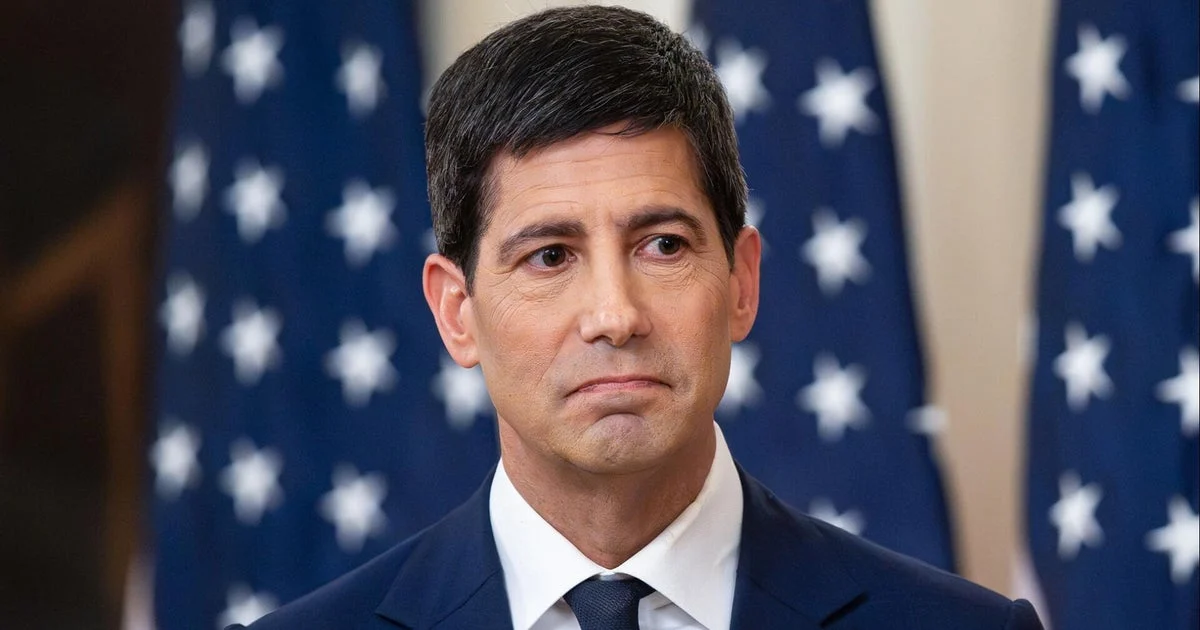
Kevin Warsh, sworn in as Federal Reserve Chair last week, faces immediate pressure to address rising inflation amid political demands and economic uncertainty. With consumer prices expected to have surged again in April, Warsh’s leadership will be tested on maintaining inflation control while executing promised reforms.
What happened
On Thursday, the Federal Reserve’s preferred inflation measure, the personal consumption expenditures (PCE) price index, is forecast to show a 3.9% annual rise in April, the highest since May 2023. This increase is largely driven by rising gasoline prices linked to geopolitical tensions in the Middle East. The elevated inflation complicates efforts to cut interest rates as previously anticipated by some policymakers and demanded by former President Donald Trump.
Warsh’s first challenge is to rein in inflation while balancing political expectations. Trump has urged for aggressive rate cuts to boost economic growth, but economists say inflation risks may necessitate further increases or steady rates. The Federal Open Market Committee (FOMC), which sets interest rates, is expected to discuss the possibility of hikes at its June 17-18 meeting if inflation remains above the Fed’s 2% target.
Despite these pressures, Warsh has committed to a “reform-oriented Federal Reserve,” including reassessing economic projections that may constrain policy flexibility. He has also emphasized maintaining the Fed’s traditional dual mandate of low inflation and unemployment, advocating that achieving those goals will strengthen growth and real incomes.
Why it matters
Rising inflation challenges the Fed’s ability to ease monetary policy and risks complicating economic recovery efforts. With inflation near a multiyear high, the Fed’s decisions will influence borrowing costs, consumer prices, and financial markets nationwide. Warsh’s attempt to reform the Fed’s communication and decision-making processes comes as monetary policy faces unprecedented pressures from geopolitical events and political intervention attempts.
Maintaining the Fed’s independence is crucial amid intense political scrutiny. Warsh must navigate expectations from the White House, financial markets, and the FOMC to uphold the Fed’s credibility and effectiveness. His approach will set the tone for U.S. economic policy stability in the coming years.
Background
Warsh assumed the Fed chairmanship during a period of persistent inflation and mixed signals from the labor market. The Fed under former Chair Jerome Powell faced significant pressure from political leaders, notably former President Trump, to ease rates despite inflation concerns. Warsh, once regarded as a rate-hike advocate, last year shifted views, suggesting technological advances like artificial intelligence could enhance productivity and ease inflation pressures, potentially allowing for lower rates in the future.
The Federal Open Market Committee includes 12 voting members who jointly decide monetary policy, and while the chair influences these decisions, Warsh must build consensus to navigate complex economic challenges ahead.
Sources
This article is based on reporting and publicly available information from the following source:
Read more Business stories on Goka World News.