
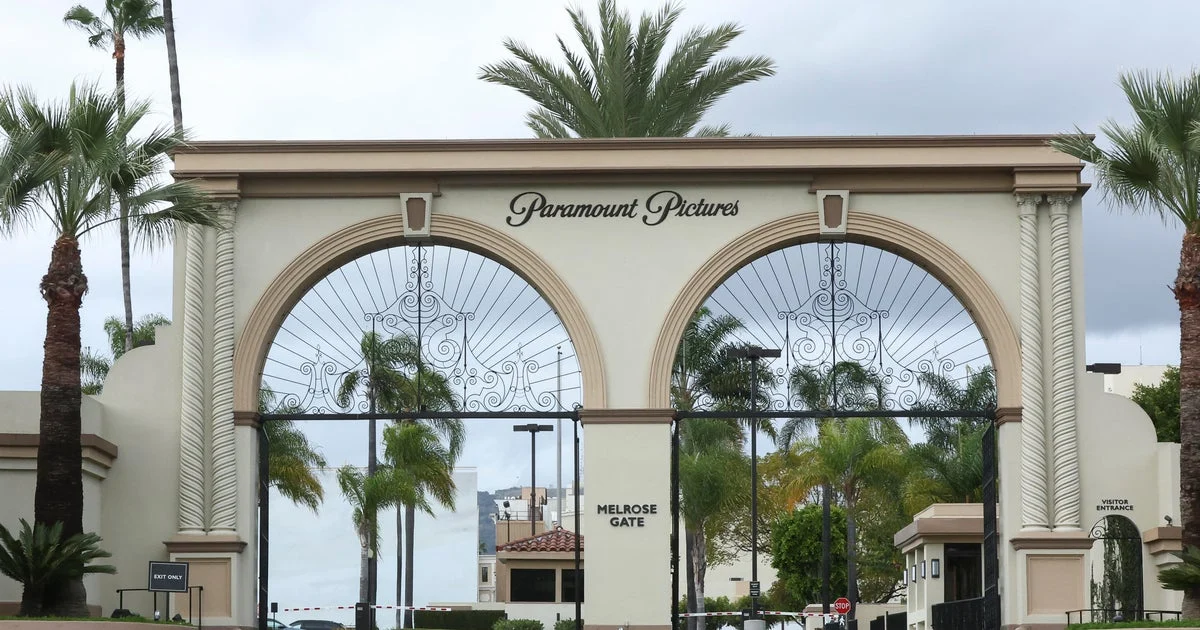
Paramount Skydance announced it will delay the closing of its planned $110 billion merger with Warner Bros. Discovery until as late as June 2027 after multiple lawsuits filed by state attorneys general and the Writers Guild of America (WGA) challenged the deal. The postponement pushes back a transformation of Hollywood’s studio landscape amid intense legal scrutiny.
What Happened
A federal judge ordered that the merger deal “shall not close, be consummated, or otherwise be completed” until a merits determination is made in the ongoing litigation, which could stretch until June 1, 2027. The judge’s ruling followed separate lawsuits filed in July 2026, with a dozen state attorneys general and the WGA seeking to block the acquisition.
The attorneys general contend the merger would harm competition within the film and television industry. The WGA, representing writers, argues the transaction violates antitrust laws and risks depressing pay and reducing job opportunities.
Paramount’s spokesperson described the agreement as “a significant win,” affirming the company’s confidence that the merger is beneficial for competition, consumers, and content creators. The company emphasized the deal has already gained approval from dozens of competition authorities worldwide. The transaction’s completion is contingent on a federal court’s ruling, with a trial expected to be the decisive next step.
Key Facts
The merger, valued at approximately $110 billion, had been temporarily halted earlier by the federal judge. Paramount is contractually obliged to pay Warner Bros. shareholders $650 million per quarter if the deal does not close by September 30, 2026, which creates a significant financial incentive to complete the transaction promptly.
State attorneys general involved include New York Attorney General Letitia James and California Attorney General Rob Bonta, both vocal opponents emphasizing the legal and market risks of the consolidation. The WGA’s lawsuit followed immediately after the states’ filings.
What This Means
The postponement of the Paramount-Warner Bros. merger signals prolonged uncertainty for Hollywood’s competitive dynamics and content production environment. If the merger proceeds, it could reshape how studios compete for viewers, negotiate with talent, and invest in new projects. However, the legal obstacles underscore increasing regulatory scrutiny of mega-deals in the entertainment industry amid concerns about monopoly power and its impact on creatives.
For consumers, the delay maintains the status quo of multiple competing studios for the foreseeable future, possibly preserving diversity in content choices and pricing. Creators, such as writers and artists, may benefit in the short term from the pressure courts and regulators exert to protect their interests and pay. The litigation outcome will be closely watched as a bellwether for future media mergers amidst a changing landscape of streaming, theatrical releases, and intellectual property ownership.
Financially, the quarterly fee Paramount owes Warner Bros. shareholders if the deal lingers serves as a costly motivator for completion, but equally highlights the risk the companies face if courts indefinitely stall the transaction or block it altogether.
Background
The merger between Paramount Skydance and Warner Bros. Discovery was announced as a transformative deal set to consolidate major Hollywood studios under a single corporate umbrella, aiming to bolster competitive positioning against streaming giants and global media conglomerates. Industry observers have considered the merger a pivotal move to capture broader audience reach, amplify content portfolios, and leverage economies of scale. However, concerns over market concentration and impacts on labor and creative industries prompted legal challenges immediately following the announcement.
What Comes Next
The federal court is expected to proceed with trial on the merits of the lawsuits. The merger cannot close until five days after the court issues a ruling. Both sides have signaled strong intent to continue litigation to protect their legal positions and corporate strategies. Given the timeline, a resolution is unlikely before mid-2027, barring an earlier court settlement or ruling.
Sources
This article is based on reporting and publicly available information from the following source:
Read more Business stories on Goka World News.