
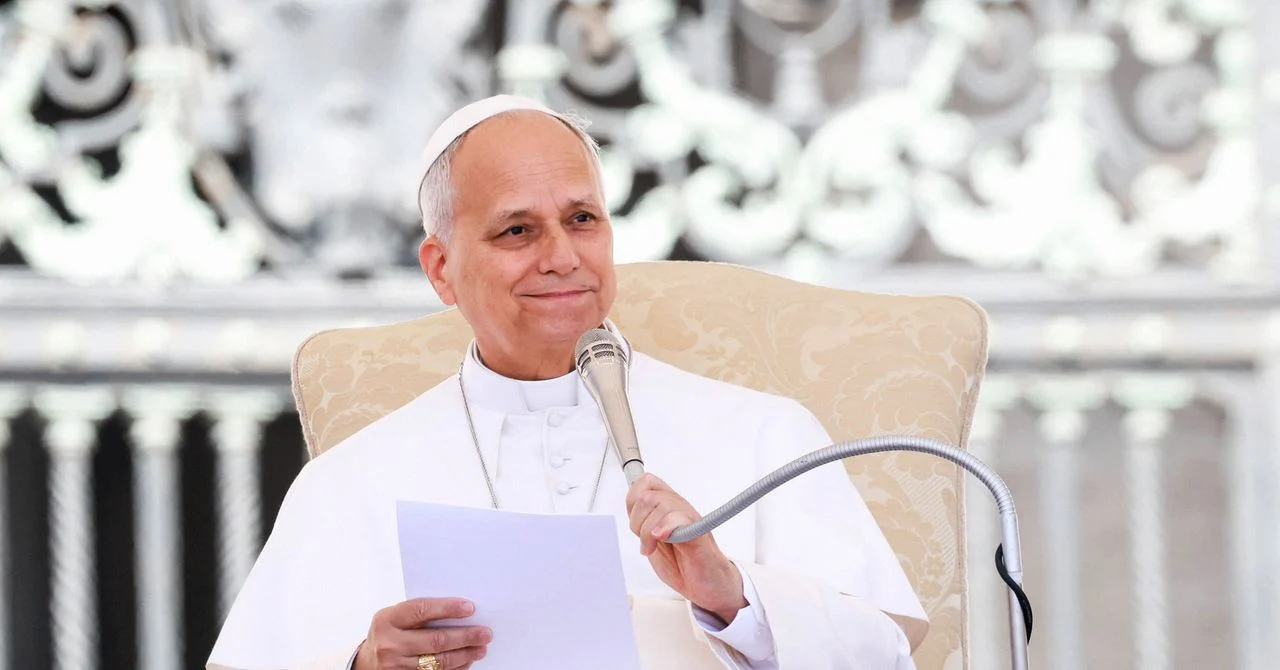
Pope Leo XIV has incorporated references to J.R.R. Tolkien’s The Lord of the Rings in his first encyclical, Magnifica Humanitas, to underscore concerns about artificial intelligence (AI) and the growing influence of tech billionaires. The encyclical, released May 26, addresses the societal and ethical implications of AI development and highlights the risks of reducing humanity to mere instruments within technocratic systems.
What happened
In Magnifica Humanitas, Pope Leo XIV warns against the dominance of a “technocratic paradigm” that prioritizes efficiency and exploitation of creation, echoing themes from his predecessor Pope Francis and Pope Leo XIII. The encyclical highlights the dangers of unchecked AI advancement, drawing parallels to the industrial revolution’s disruptive effect on society and workers’ dignity.
Notably, Pope Leo references Tolkien’s work to critique the interpretation of AI and power by tech elites like Peter Thiel and Elon Musk. While these figures have adopted Tolkien-inspired names and imagery for their ventures—Thiel’s data firm Palantir and Musk’s commentary on hobbits—the pope’s invocation of Gandalf’s advice emphasizes responsibility to combat evil and preserve future generations. This stands in contrast to the way some tech billionaires appear to embrace authoritarian control, a key allegory in Tolkien’s narrative.
Why it matters
The pope’s use of Tolkien enriches the critique of AI-centric technocracy by framing it within a moral and cultural context familiar to many. His call to “uproot the evil in the fields that we know” signals a push for ethical stewardship over new technologies rather than blind pursuit of power and profit. This is especially relevant as global leaders, corporations, and governments grapple with AI’s rapid evolution and its far-reaching societal impact.
The encyclical challenges the tech industry’s prevailing narratives — questioning whether AI advancements are truly aimed at humanitarian goals or primarily at dominance and profit. By contrasting Tolkien’s themes of corruption through absolute power with the rhetoric and actions of some tech entrepreneurs, Pope Leo positions the Church as a moral voice urging caution, equity, and human dignity in the digital age.
Background
Pope Leo XIV, elected in 2025, has focused much of his early papacy on the ethical implications of modern technologies, especially AI. His encyclical follows similar warnings from Pope Francis about human dignity and the dangers of industrial and technological exploitation.
Meanwhile, tech figures like Peter Thiel and Elon Musk have often drawn on Tolkien motifs in their business branding and public statements, albeit in ways that many fans and commentators find to misrepresent the original themes. Thiel’s Palantir and Musk’s public posts have elicited criticism for promoting authoritarian or exclusionary ideas that conflict with Tolkien’s intended cautions against power corruption.
This theological and cultural engagement with Tolkien grounds the pope’s call for responsible AI development in a narrative of moral struggle familiar across societies, contrasting sharply with some tech leaders’ interpretations that emphasize control and power consolidation.
Sources
This article is based on reporting and publicly available information from the following source:
Read more AI Regulation stories on Goka World News.