
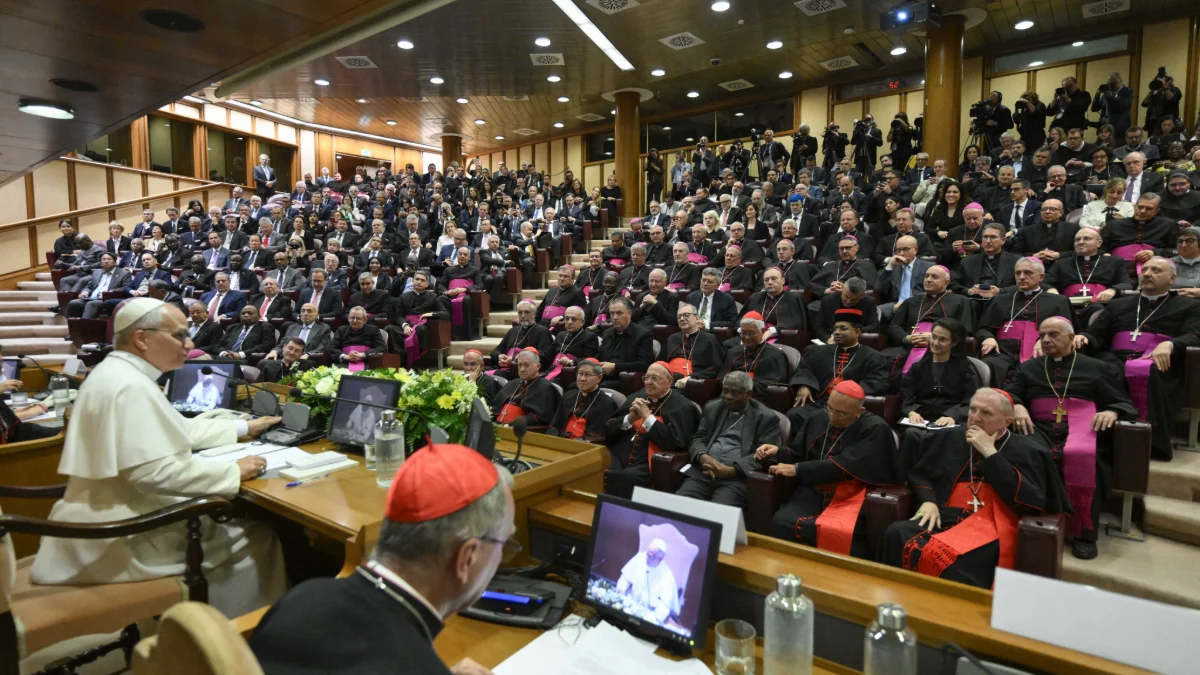
On May 25, 2026, Pope Leo XIV issued a major encyclical titled “On Safeguarding the Human Person in the Time of Artificial Intelligence,” urging global vigilance and shared responsibility in how society develops and governs AI technologies to protect human dignity and promote social justice.
What happened
The Vatican’s first encyclical devoted to artificial intelligence warns against dehumanization, technological acceleration amplifying inequality, and blind reliance on AI. While cautionary, the letter maintains hope that AI can be harnessed to promote human dignity and flourishing. It draws on biblical narratives—the Tower of Babel to illustrate dangers of forced conformity and loss of plurality, and the Book of Nehemiah to emphasize collective action and shared responsibility in building a just society.
The encyclical critiques current AI-related challenges such as algorithmic bias, misinformation, surveillance, and harmful online content, highlighting widespread techno-pessimism following a decade of unmet “cyber optimism.” It calls on all stakeholders—users, designers, policy makers, and communities—to actively shape AI’s role through “techno-possibility,” aiming to ensure technology supports democratic values and individual self-worth.
The document acknowledges the complex distribution of responsibility for AI’s social effects, stressing that designers embed political and social goals into technology’s very architecture. It notes risks that AI’s benefits disproportionately favor a narrow elite, while many remain marginalized.
Why it matters
The Pope’s encyclical arrives at a turning point, when society must confront how AI influences human relationships, democracy, and social equity. By framing AI as a tool requiring moral guardrails rather than an unstoppable force, it signals a need for more inclusive and ethical design. The appeal to pluralism and collective responsibility challenges governments, companies, and civil society to address AI’s impacts comprehensively, not leaving ethical burdens solely to individuals.
This guidance is critical as AI systems proliferate across social media, public discourse, and economics, shaping how citizens interact and how societal power is distributed. The framework proposed resonates with ongoing academic and nonprofit efforts to develop AI tools that strengthen democratic participation and human connection rather than undermine them.
Background
Earlier enthusiasm for digital technologies as enablers of democracy and inclusion has soured amid growing evidence of algorithmic harms, misinformation, and surveillance capitalism. The Pope’s encyclical intervenes amid widespread reflection on how AI can be aligned with human values. It builds on ethical traditions emphasizing human dignity, truth seeking, and social justice.
Scholars like Langston Winner and Jennifer Forestal have previously highlighted that technology is inherently political in design, shaping social outcomes. New public initiatives such as AI Civics and research on democratic platform design seek concrete ways to embed human-centric values into AI affordances—the possible actions technologies enable users to take.
The encyclical’s call to embrace both diversity and shared responsibility reflects these broader academic and policy conversations aimed at orienting AI development toward the common good.
Sources
This article is based on reporting and publicly available information from the following source:
Read more AI Regulation stories on Goka World News.