
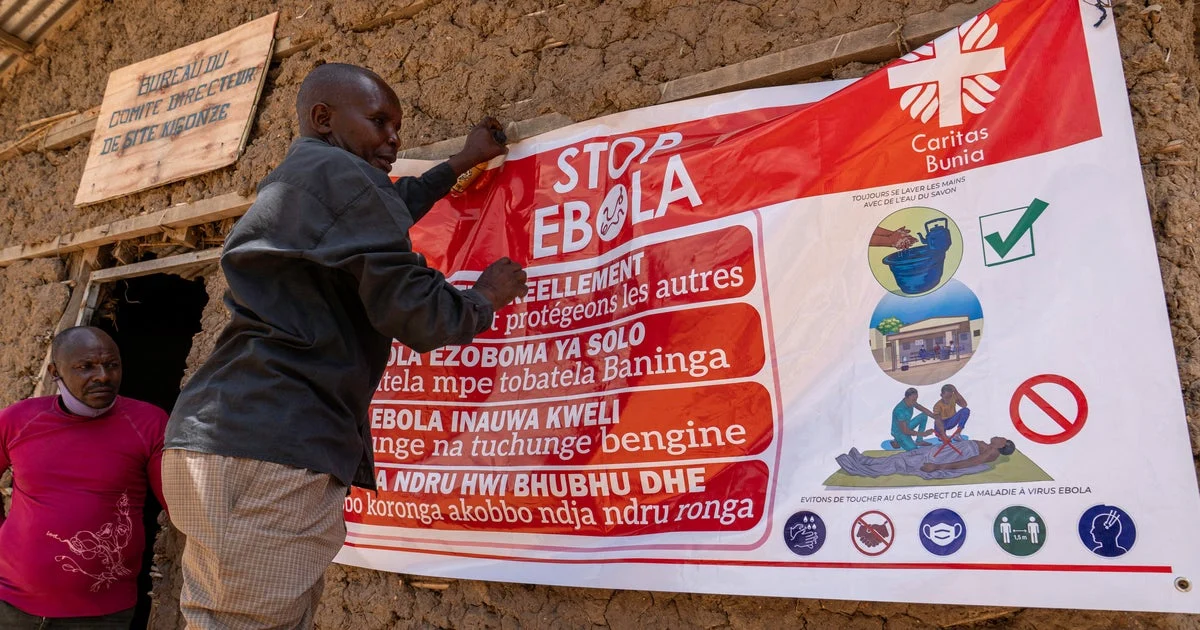
A Kenyan High Court on Friday issued a temporary ruling blocking the Trump administration’s plan to open a 50-bed Ebola quarantine facility at Laikipia Air Base, located about 124 miles from Nairobi. The decision was prompted by a legal challenge highlighting deficiencies in transparency and public participation, raising concerns over constitutional and public health risks.
What happened
The U.S. government intended to operate the quarantine center for American citizens exposed to or infected by Ebola, providing rapid access to treatment and quarantine closer to the Democratic Republic of Congo (DRC), where a major outbreak is ongoing. Officials described the facility as designed to handle “asymptomatic individuals” who might have been exposed, allowing for quick isolation without requiring a long return journey to the United States.
However, Kenya’s Katiba Institute, a non-profit focused on defending constitutional rights, filed a restraining order claim arguing that the plan bypassed vital public consultation and risked constitutional violations. The court responded by prohibiting the establishment of any Ebola-related quarantine, exposure, isolation, or treatment centers in Kenya.
Additionally, the Law Society of Kenya filed a separate constitutional petition against the quarantine center, though no ruling has yet been issued on that case. The Kenyan government now has 48 hours to respond to the Katiba Institute’s petition.
While Kenya’s Health Ministry has expressed willingness to cooperate with international partners, including the U.S., it has not publicly detailed the quarantine facility plans. Separately, the U.S. has pledged $13.5 million in support of Kenya’s Ebola prevention efforts, following a recent conversation between Secretary of State Marco Rubio and Kenyan President William Ruto.
Why it matters
This legal development reflects growing concerns about sovereignty, public health governance, and disease containment responsibilities in Africa during a significant Ebola outbreak. The court’s decision underscores the importance of constitutional compliance and public input when establishing quarantine or treatment facilities on sovereign soil, especially during international health emergencies.
The U.S. initiative aimed to reduce health risks associated with long-distance travel for Americans exposed to Ebola in the region, potentially aiding outbreak containment. However, Kenya’s caution highlights the delicate balance between international cooperation and national jurisdiction in pandemic response efforts.
As the Ebola outbreak in the DRC intensifies, with over 220 deaths and more than 900 infections reported, neighboring countries like Kenya and Uganda remain vigilant. Regional responses to the virus impact not only public safety but also diplomatic relations and cross-border health policies.
Background
The ongoing Ebola outbreak centers on the DRC’s Ituri Province, a region affected by conflict and instability. The World Health Organization identifies six strains of Ebola, of which four cause serious human illness. The most lethal, the Zaire strain, can have mortality rates up to 90%, while the Bundibugyo strain, responsible for the current outbreak, carries a mortality rate between 30% and 50%.
Previous U.S. efforts to manage Ebola exposure have included quarantine facilities within the U.S., but the new proposal marked an attempt to extend such measures closer to outbreak hotspots. Kenya’s legal challenge represents a rare governmental pushback against external public health initiatives on its territory, emphasizing the significance of national legal frameworks in managing infectious disease risks.
Sources
This article is based on reporting and publicly available information from the following source:
Read more World News stories on Goka World News.