
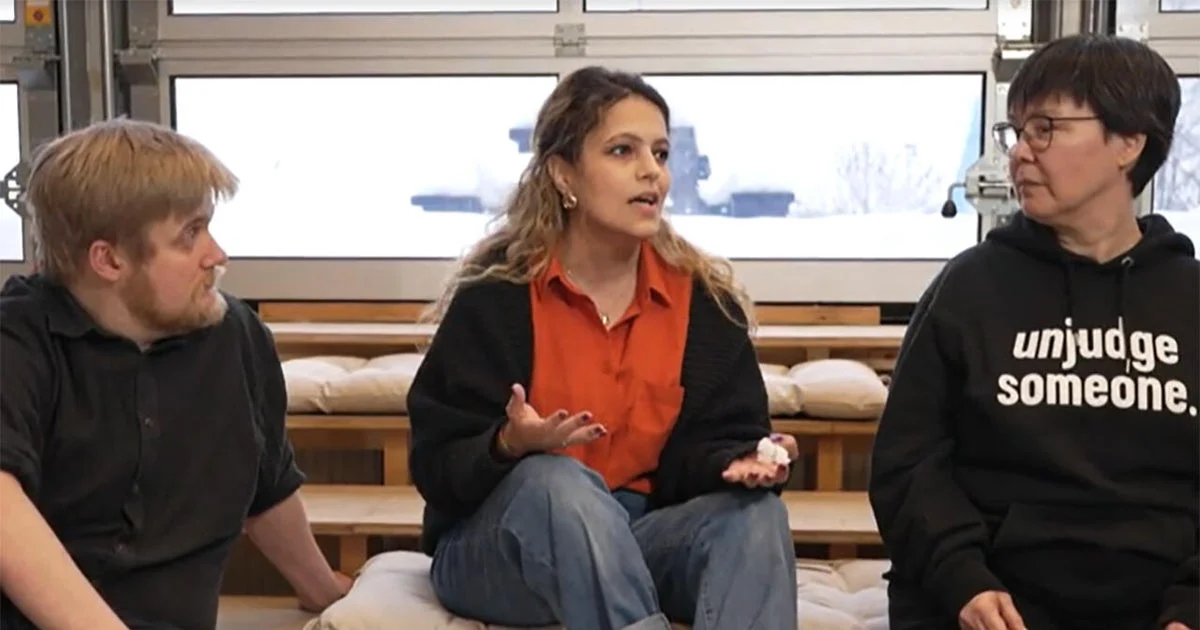
The Human Library in Copenhagen provides a unique platform where volunteers, called “books,” share their life experiences in 30-minute sessions to break down stereotypes and encourage open conversation. Founded 26 years ago by Ronni Abergel, this initiative now operates in over 80 countries, including six locations in the United States.
What happened
The Human Library replaces traditional books with people who volunteer to discuss topics tied to their personal stories. These human “books” provide answers and insights based on their lived experiences.
The most frequently requested subjects involve mental health conditions such as schizophrenia, bipolar disorder, autism, anxiety, and depression. For example, Christian Sarner, a volunteer diagnosed with schizophrenia and anxiety, shares his journey processing psychotic episodes and managing his condition through therapy and medication.
Another popular topic is the experience of refugees. Noura Bitar, a political scientist from Syria living in Denmark, discusses challenges related to displacement, cultural integration, and stigma, including struggles with PTSD and societal expectations.
The library also highlights indigenous perspectives, such as those of Greenlander Viva Olsen. She recounts her upbringing with traditional hunting and memories of the U.S. military presence in Greenland.
During these sessions, volunteers tailor their conversations based on visitors’ questions, maintaining personal boundaries about topics they are unwilling to discuss.
Why it matters
The Human Library fosters empathy and reduces prejudice by facilitating direct dialogue between people with diverse backgrounds and visitors. By encouraging curiosity and open discussion, it confronts misunderstandings and social stigmas, particularly around sensitive issues like mental health and refugee experiences.
This model promotes social cohesion and improves community quality of life by breaking down barriers of fear and ignorance.
Background
Founded in Copenhagen in 1996, The Human Library has expanded globally, including multiple sites in the U.S., typically hosted by public libraries, schools, and universities. It is supported by private foundations and donations, relying entirely on volunteers who share their stories to foster tolerance and inclusion.
Sources
This article is based on reporting and publicly available information from the following source:
Read more World News stories on Goka World News.