
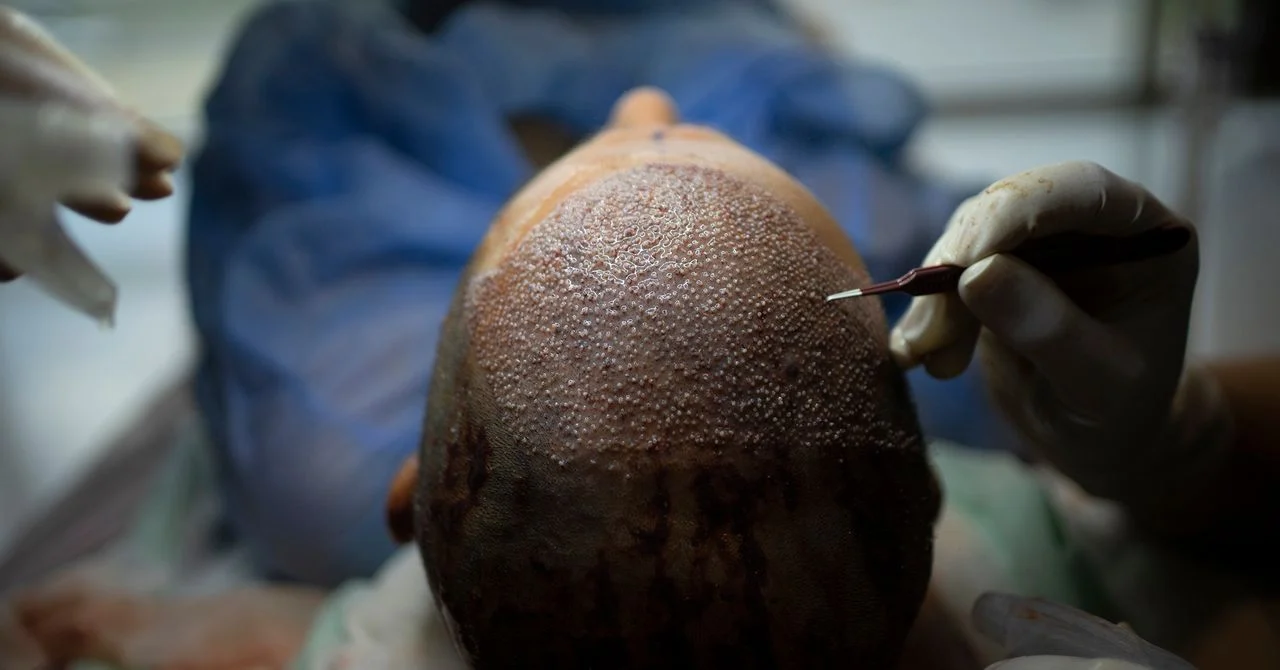
Turkey has emerged as the dominant global player in the hair transplant industry by combining advanced medical technology, decades of craft-driven skills, and an evolving health tourism infrastructure. This billion-dollar sector hinges on innovations ranging from specialized surgical tools to widespread clinical expertise rooted in the country’s deep artisanal traditions.
What happened
The Turkish hair transplant market grew rapidly from the late 1990s, when Dr. Mustafa Tuncer founded high-standard clinics aiming to attract international patients back from Europe. His vision helped launch Health Tourism 1.0, centering on combining plastic surgery and hair restoration within well-equipped institutions.
By the 2010s, during Health Tourism 2.0, these entities functioned as academies where experienced doctors trained others, fostering a culture of shared knowledge and medical ethics that set Turkish clinics apart globally. This development enabled Turkish surgeons to standardize procedures and gain unmatched practical experience, attracting thousands of foreign patients seeking superior quality over cost alone.
However, by the mid-2010s, Health Tourism 3.0 began as non-medical players, including marketing agencies and investors, entered the market drawn by its profitability, shifting the focus toward aggressive promotion and commercialization.
Turkey’s pioneering adoption of the Follicular Unit Extraction (FUE) technique, which minimizes recovery time and complications compared to older methods, also propelled industry expansion. This method, combined with Turkey’s tradition of fine craftsmanship requiring exceptional manual precision—such as carpet weaving and metalwork—helped elevate surgical skill standards.
Despite this success, rapid growth sparked challenges, including the rise of unlicensed clinics (“hair mills”) after 2015, which caused quality and patient safety issues due to inexperienced technicians performing rushed procedures.
Why it matters
Turkey’s innovation and scale in hair transplantation have redefined medical tourism by proving that combining technological advancement with artisanal skill can transform a healthcare sector into a major economic driver. The industry not only satisfies a global psychological need linked to hair and identity but also establishes high standards of medical excellence under competitive pressure.
Turkey’s dominance underscores the potential for emerging markets to lead in specialized medical fields by integrating cultural assets with modern technology. However, the entry of commercial actors also highlights the risks of prioritizing profits over patient care, a critical issue as demand surges worldwide.
Background
Hair loss, primarily caused by androgenetic alopecia, is linked to genetic and hormonal factors affecting hair follicle vitality. Restoration requires precise, microsurgical techniques that protect each hair follicle’s integrity during extraction and implantation.
While the global market is estimated between $7.3 billion and $11.6 billion as of 2024, Turkey’s reputation for quality service and affordability attracts millions yearly. By 2025, Turkey generated approximately $3 billion from medical tourism, with a significant portion attributable to aesthetic procedures including hair transplantation.
The country’s health tourism evolution—from early clinics emphasizing quality and ethics to large-scale industry commercialization—illustrates the complex dynamics behind its global leadership in hair restoration.
Sources
This article is based on reporting and publicly available information from the following source:
Read more Business stories on Goka World News.