
The regulatory approach to data centers in the United States is shifting significantly from a previously incentive-heavy model toward increased restrictions, zoning controls, and demands for transparency across local, state, and federal levels. This change follows growing community concerns about the environmental and economic impacts of data centers.
What happened
A comprehensive review by the DIGS Lab at the University of Virginia examined over 700 policies related to data centers, revealing four key trends over recent years. States like Virginia, Texas, and Arizona, long known for aggressive tax breaks and streamlined permitting to attract data centers, are now rolling back such incentives, with examples including Virginia’s debate over sunsetting tax exemptions (SB30) and Maryland’s proposed repeal under specific conditions (HB560).
In parallel, local governments across various states have enacted temporary moratoriums intended to pause data center developments while new regulations are crafted. At least 20 moratoriums have emerged since 2025, spanning jurisdictions like DeKalb County, Georgia; Aurora, Colorado; and Michigan’s Howell Township. Some states, including Oklahoma and South Dakota, have considered statewide pauses.
Zoning laws are increasingly leveraged to regulate data center siting, with numerous counties (such as Loudoun and Prince George in Virginia) shifting data centers from “by-right” uses to conditional or special permits that require environmental assessments and public hearings. Some municipalities have effectively banned data centers from certain areas through zoning changes.
State-level legislation is also evolving, with Virginia enacting noise and water site assessment requirements (HB153, SB94) and Maryland proposing siting standards (HB1534). South Carolina proposed establishing a dedicated office to manage data center growth (S0867).
Policy debates focus primarily on four impact areas: utility rates and grid reliability, water consumption, community environmental effects, and transparency. Several states have passed or introduced laws addressing the cost burden data centers impose on residential electricity customers. For instance, Oregon’s POWER Act (2025) created specialized rates for high-load users, while Virginia’s 2026 legislation (HB1393/SB253) mandates weatherization programs and utility cost recovery rules for large energy consumers.
Water use regulation has intensified, with states like Utah, Michigan, South Carolina, and Virginia demanding closed-loop cooling systems and water withdrawal reporting. Colorado’s SB26-102 notably requires data centers to disclose both direct and indirect water use in permit applications.
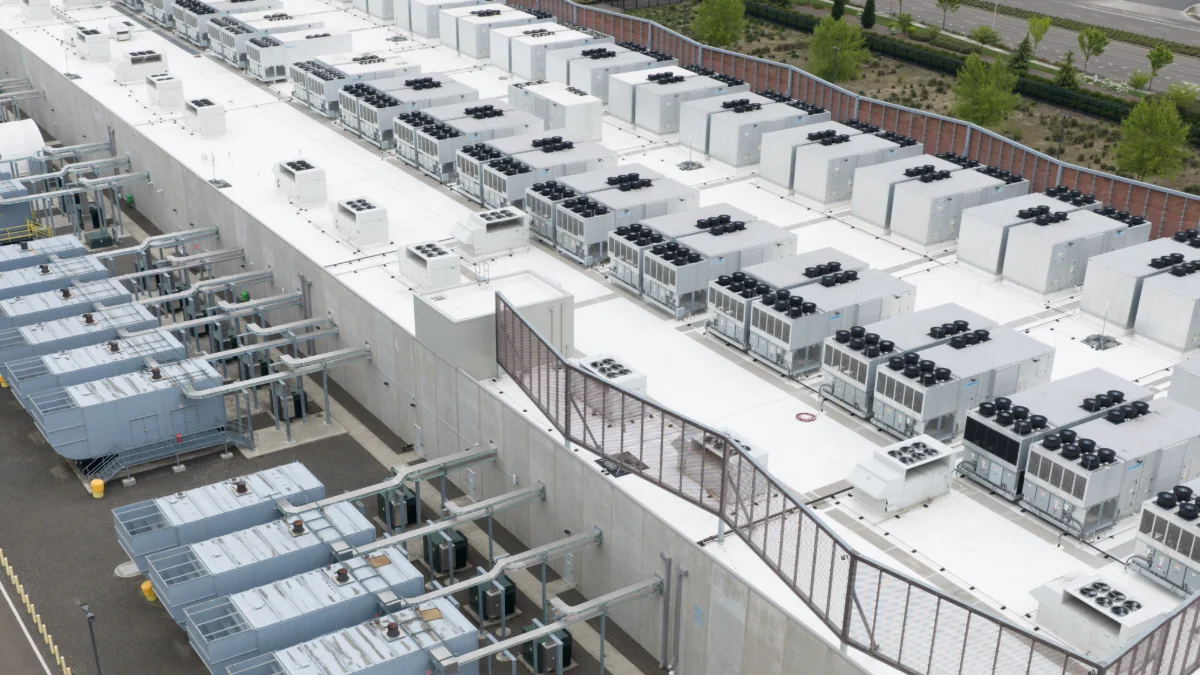
Local opposition also centers on noise from cooling systems and onsite power generators, air pollution, and loss of agricultural land. Many local ordinances now require noise studies, setbacks, and air quality monitoring provisions.
Transparency efforts aim to limit secrecy in economic incentive deals through legislation banning nondisclosure agreements (NDAs). New Jersey, Wisconsin, and Oklahoma proposed laws compelling public disclosure of project details and environmental impacts, reacting to controversies such as NDA-protected projects in Virginia and Missouri, which sparked community legal challenges.
Why it matters
The shift from a growth-driven, incentive-based model to a regulated, community-focused approach reflects broader concerns about the sustainability and local impact of large-scale data centers. Rising electricity costs, water scarcity, environmental degradation, and lack of transparency have led communities to demand more control over siting and operations. These evolving policies mark a pivotal moment for balancing economic development with environmental stewardship and social equity in the tech infrastructure sector.
Background
Data centers have grown rapidly in the United States over the past decade, driven by expanding cloud computing and digital services. Traditionally, jurisdictions competed to attract these facilities using tax breaks and expedited permitting to boost local economies. However, the associated rise in power consumption, water usage, and environmental footprint has led to increased scrutiny. Transparency challenges persist due to proprietary claims and fragmented regulatory frameworks, with no standardized national reporting on data center energy or water use. The resulting patchwork of policies illustrates ongoing tensions between local community interests and broader economic priorities.
Sources
This article is based on reporting and publicly available information from the following source:
Read more Digital Policy stories on Goka World News.