
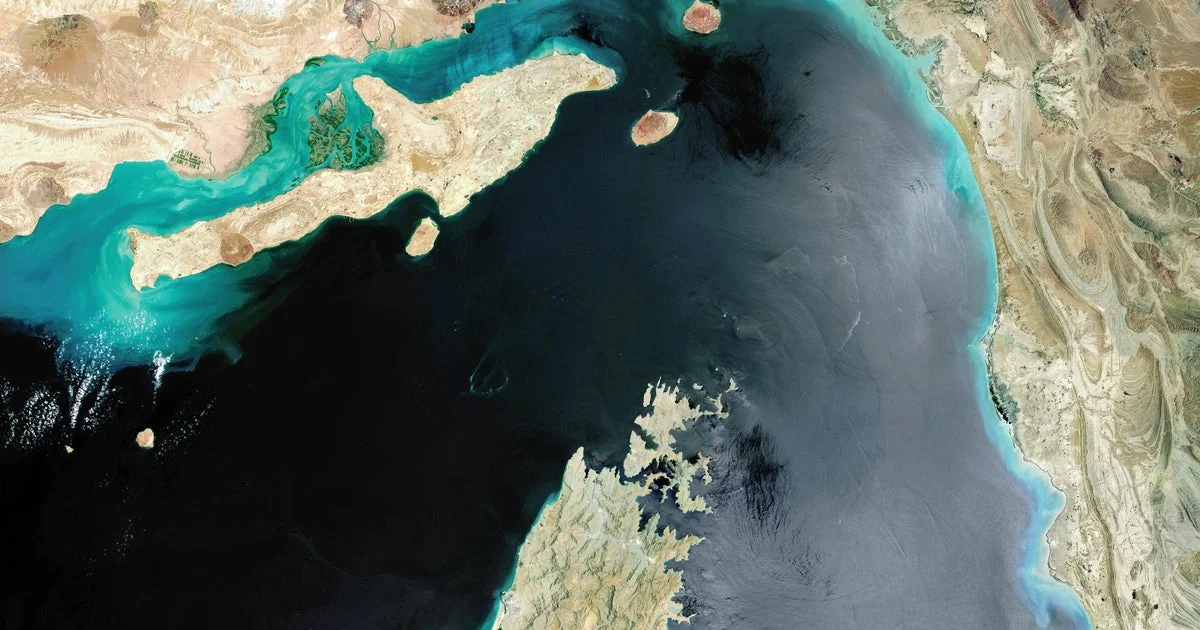
U.S. Central Command (CENTCOM) reported conducting self-defense strikes on a ground control station on Iran’s Qeshm Island following the interception of Iranian drones and ballistic missiles targeting allied interests in the Persian Gulf. This escalation marks the latest confrontation in a fragile ceasefire between the two countries.
What happened
On June 2, 2026, CENTCOM announced it had shot down three Iranian drones aimed at civilian mariners and intercepted several ballistic missiles launched by Iran towards U.S. allies in the region. Among the intercepted missiles were three fired at Bahrain that were downed by air defenses, and two that fell short or disintegrated before reaching Kuwait.
In retaliation, U.S. forces struck a ground control site on Qeshm Island, located near the Strait of Hormuz. Iran’s Islamic Revolutionary Guard Corps (IRGC) claimed its missile and drone attacks were responses to a prior U.S. strike disabling an oil tanker en route to Iran. The IRGC also claimed to have targeted the U.S. Navy’s Fifth Fleet headquarters in Bahrain and a U.S.-linked vessel, claims CENTCOM denied.
Despite a ceasefire agreement that began on April 7, hostilities persist intermittently, including recent months of confrontations involving missile launches and naval blockades. Iran has asserted control over the Strait of Hormuz by restricting ship passage without permission, while the U.S. enforces a blockade targeting vessels it accuses of sanctions evasion.
Why it matters
The continuing military clashes despite the ceasefire highlight the fragile state of U.S.-Iran relations and regional security, especially in a strategic area vital to global oil shipments. This escalation risks broader conflict while diplomatic efforts to extend the ceasefire and negotiate terms related to the Strait of Hormuz and Iran’s nuclear program remain unresolved.
The disputed claims over attacks on military installations and shipping underscore the high tensions and the risk of misinformation fueling further conflict.
Background
The U.S. and Iran have been engaged in an indirect war since early 2026, with the April ceasefire pausing large-scale hostilities but failing to stop smaller-scale clashes. Negotiations involving the lifting of the U.S. blockade and reopening the Strait of Hormuz have been ongoing but stalled, especially after Iran paused talks pending a ceasefire initiative in Lebanon, where Israel is conducting operations against Iran-backed Hezbollah.
President Trump has publicly maintained that communications between the U.S. and Iran continue despite tensions. The situation remains volatile, with both sides conducting military actions while exploring diplomatic solutions.
Sources
This article is based on reporting and publicly available information from the following source:
Read more World News stories on Goka World News.