
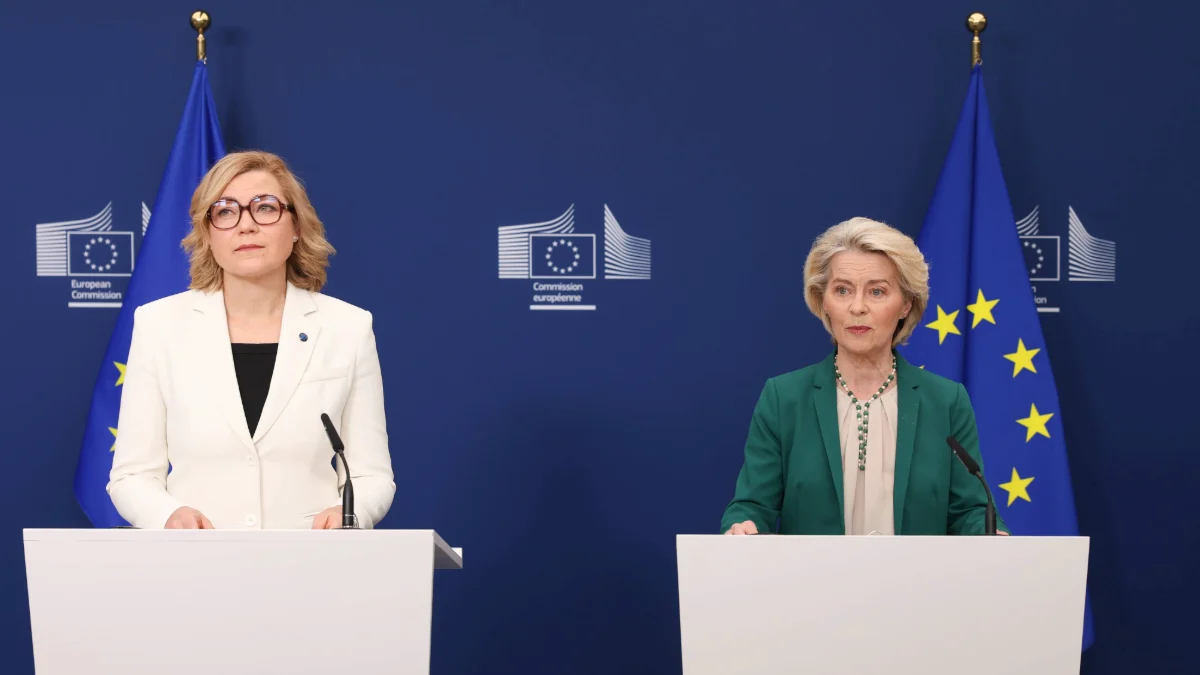
The European Commission has released its “European Technological Sovereignty Package,” a comprehensive policy framework that places open source software (OSS) and hardware (OSH) at the center of Europe’s digital sovereignty strategy for the first time.
What happened
The package, announced in April 2026, includes a full Open Source Strategy integrated with draft legislative proposals, such as the Cloud and AI Development Act (CADA), and sector-specific roadmaps targeting energy and semiconductor independence. For the first time, the Commission explicitly recognizes that its annual EUR 264 billion IT expenditure is largely tied to proprietary software, which creates structural dependency risks undermining EU digital sovereignty.
The strategy positions open source as a structural lever to reduce vendor lock-in and strategic vulnerability associated with reliance on non-EU technology providers. It sets concrete goals, including achieving 30 million active users of open source collaboration tools by 2030 and mandates open source usage in initiatives like the EU Digital Identity Wallet.
The document reframes open source not only as a transparency and cybersecurity asset but also as a public commons that requires sustainable governance, community empowerment, and strong infrastructure support. Key governance mechanisms include the EU Open Source Program Office (OSPO) Network, Digital Commons European Digital Innovation Center (EDIC), and proposed stewardship organizations.
The Commission also commits to developing a harmonized legal framework for open source foundations across the Single Market, addressing previous administrative challenges due to fragmented national laws.
Why it matters
This package marks a turning point for European digital policy, officially elevating open source as critical infrastructure for technological independence and security. By mandating open source components in strategic projects and committing significant funding—estimated around EUR 2 billion over seven years—the EU aims to reduce dependence on proprietary technologies that create vulnerabilities and limit innovation flexibility.
The strategy’s recognition of open source’s role in transparency and auditability counters recent criticisms framing OSS as a cybersecurity risk, reinforcing its value in securing critical infrastructure. Establishing clear governance and funding mechanisms could enable sustained maintenance and growth of open source projects, which has historically suffered from underinvestment.
Background
The EU’s emphasis on tech sovereignty responds to growing concerns over digital dependencies on major non-EU providers, which many see as a strategic risk. Previous EU digital policies acknowledged open source’s utility mainly in procurement or research contexts but did not position it as a foundational strategy for sovereignty.
This strategy builds on years of advocacy and research, including a 2021 study by OpenForum Europe and Fraunhofer ISI, which found that every euro invested publicly in open source generates four to five euros in economic return. The package integrates lessons from this research to treat open source as a strategic investment rather than a peripheral policy niche.
While comprehensive, the strategy leaves areas for future refinement, including clearer integration of open source with open standardization processes, stronger emphasis on open source hardware vis-à-vis semiconductor initiatives, and enhanced funding for long-term maintenance of critical OSS components. It also highlights the need to expand open source skills development at practitioner levels to support sustainable community ecosystems.
Sources
This article is based on reporting and publicly available information from the following source:
Read more Digital Policy stories on Goka World News.