
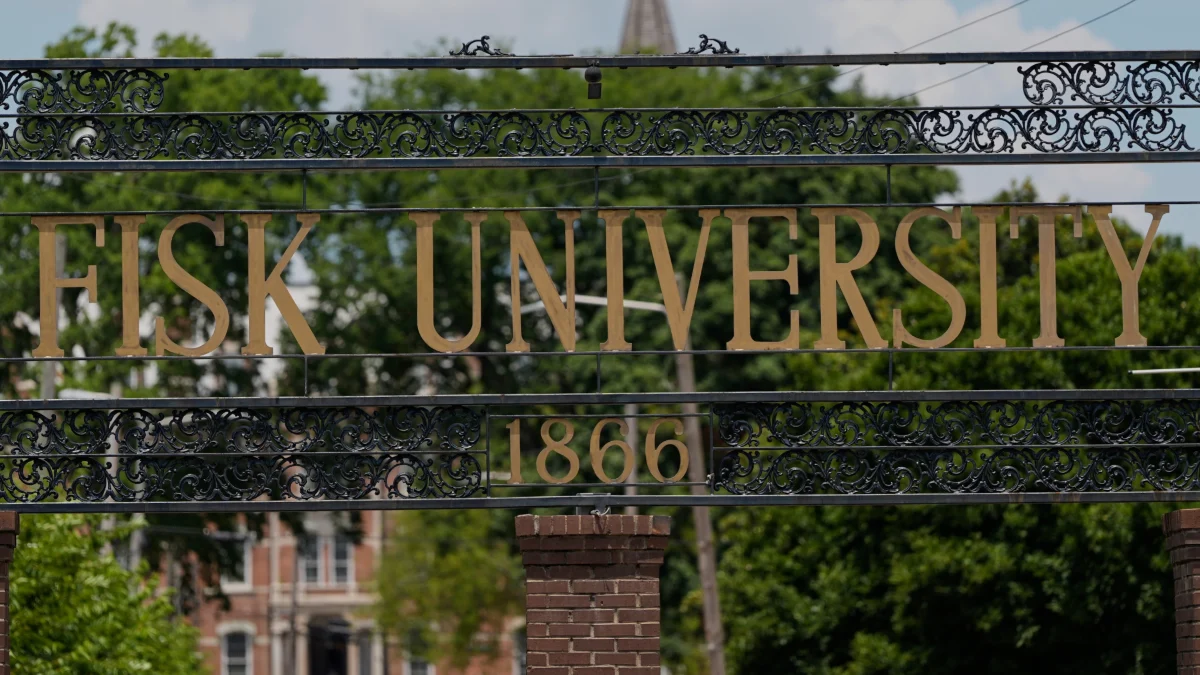
Fisk University’s announcement of a $900 million campus redevelopment plan centered on a $400 million AI data center has intensified debate about how historically Black colleges and universities (HBCUs) should engage with the expanding artificial intelligence economy. The project’s scale and proposed partnerships raise significant questions about environmental impact, community benefits, and institutional governance amid ongoing financial and policy challenges facing HBCUs.
What happened
The Nashville-based Fisk University unveiled “Quantum Leap,” a transformative initiative aimed at modernizing its campus and positioning the institution for future technology-driven growth. The centerpiece is a 100,000-square-foot, 30-megawatt data and technology center, half of which will be leased to private tech companies. However, details about the data center’s ownership, operators, and specific partnerships remain undisclosed. The project situates a major power-intensive facility within a historically Black neighborhood already coping with gentrification and infrastructure strain.
Fisk is not alone in confronting difficult tradeoffs. Neighboring communities in Tennessee—such as those near Elon Musk-linked data centers in Memphis—have expressed concerns about environmental and economic burdens from such developments. These challenges are compounded by Tennessee’s recent legislative ban on Community Benefits Agreements (CBAs) in projects funded with state incentives. This limits community leverage in negotiating protections and places the governance burden on universities themselves.
Many HBCUs face chronic underfunding, deferred infrastructure maintenance, and pressures to align with emerging industries to survive. Fisk’s plan illustrates the tension of balancing opportunity from AI-related investment with risks of becoming passive landlords to global tech firms without governance control or clear community accountability.
Why it matters
This development raises critical questions about how Black legacy institutions engage with the AI economy and manage substantial infrastructure projects. Data centers are energy and water-intensive, often increasing utility burdens on local residents. Without strong governance and transparency, HBCUs risk agreeing to deals that generate limited financial or strategic benefit while exposing their communities to environmental harms.
Fisk’s lacking disclosure on ownership, data governance, environmental assessments, and community protections fuels concerns about accountability. Moreover, state bans on CBAs weaken community negotiation rights, forcing universities to independently develop safeguards. The stakes include preserving HBCUs’ missions as cultural and educational anchors versus accepting development that may undermine their long-term sustainability and neighborhood well-being.
Industry experts advocate for institutional guardrails such as independent resource audits, data sovereignty guarantees for Black researchers, legally binding community commitments, and enhanced education of HBCU leaders on tech governance. These measures are essential to ensure AI-related partnerships promote equitable benefits rather than extraction.
Background
Historically Black colleges and universities have long navigated systemic underinvestment and policy shifts that jeopardize their capacity. AI infrastructure expansion offers both promise and peril, given that HBCUs frequently possess desirable land and political goodwill attractive to tech developers. Previous controversies, including Tennessee State University’s failed partnership with a private prison firm and Fisk’s past sale of valuable art assets, underscore the complicated dynamics between financial survival and ethical stewardship in Black educational institutions.
As the AI economy grows, HBCUs face increasing pressure to participate in technology sectors. However, mere physical hosting of AI infrastructure does not ensure institutional power, financial participation, or community benefit. Developing robust governance and accountability frameworks will be crucial for these institutions to shape AI infrastructure development on terms consistent with their historical missions and community responsibilities.
Sources
This article is based on reporting and publicly available information from the following source:
Read more AI Regulation stories on Goka World News.