
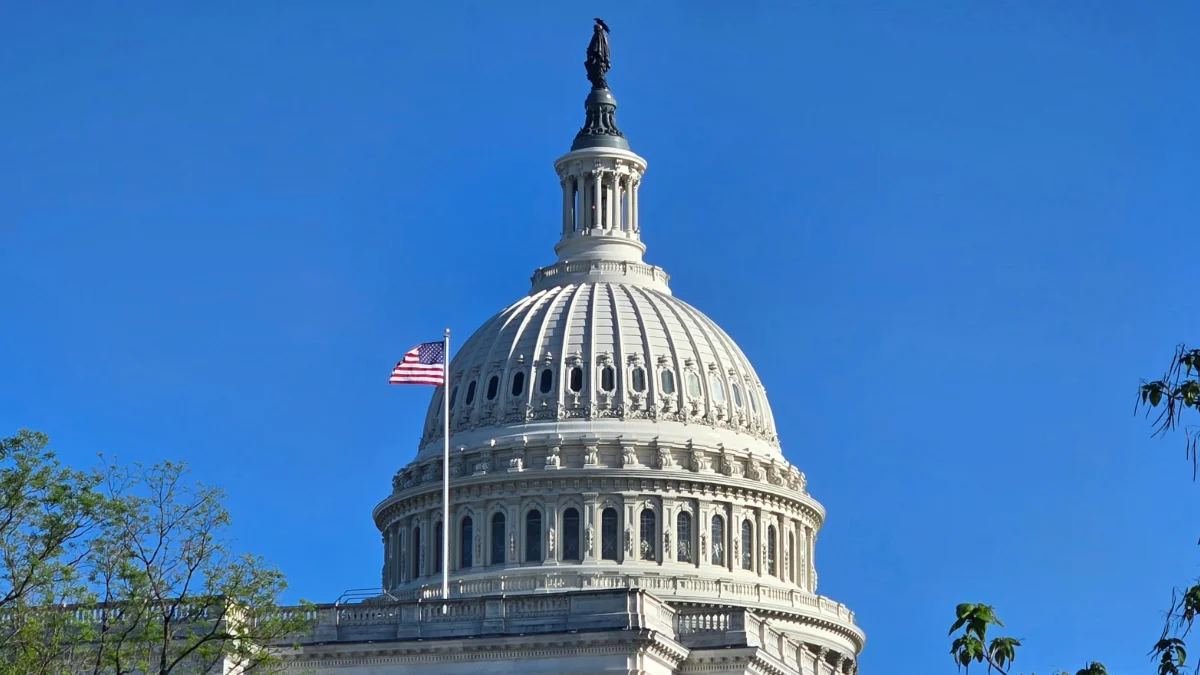
The House Homeland Security Subcommittee on Cybersecurity and Infrastructure Protection convened on June 4 to explore the evolving security challenges and opportunities posed by artificial intelligence. The hearing focused on how frontier AI models, autonomous agentic AI, and AI coding tools are reshaping cybersecurity, particularly in relation to the resilience of America’s critical infrastructure.
What Happened
The subcommittee held a formal hearing titled, “The AI Security Landscape: How Frontier Models, Agentic AI, and AI Coding Tools Are Reshaping Cybersecurity and Critical Infrastructure Resilience.” Key witnesses included experts from Google Threat Intelligence, the Frontier Model Forum, Corridor Security Inc., and the Electronic Frontier Foundation. The discussion addressed how advanced AI technologies can both empower defenders and amplify threats within cyber ecosystems that underpin vital national systems.
Key Facts
- The hearing examined frontier AI models’ capabilities to identify and exploit software vulnerabilities at unprecedented speeds.
- AI tools accelerate both defensive cybersecurity efforts—such as automated patching and safer coding—and adversarial attacks, including rapid vulnerability exploitation by criminals or foreign states.
- Concerns were raised about the federal government’s oversight role, especially the Cybersecurity and Infrastructure Security Agency’s (CISA) handling of early model access frameworks mandated by President Trump’s recent executive order.
- The committee highlighted risks from China’s open-source AI models that may lack protective guardrails and could become globally dominant due to cost and accessibility advantages.
- Agentic AI systems capable of autonomous activities across networks present new and complex attack surfaces unfamiliar to traditional cybersecurity defenses.
Why It Matters
The intersection of AI and cybersecurity is redefining how critical infrastructure is protected in real time. Specifically, frontier AI models both increase defensive capabilities and weaponize the discovery of novel security flaws. Without robust safeguards and proactive federal oversight, these developments could enable malicious actors—including foreign adversaries—to exploit infrastructure vulnerabilities faster than defenders can respond, jeopardizing public safety and national security.
Background
The subcommittee has been investigating AI-linked cyber risks through various forums and is coordinating with the Select Committee on China regarding Chinese AI proliferation. The hearing also comes shortly after President Trump directed top agencies to create a classified benchmarking process for AI cyber capabilities and a voluntary framework for early access to frontier AI models. CISA is tasked with operationalizing this directive as part of its statutory role under the Cybersecurity Information Sharing Act of 2015.
Analysis
Participants emphasized the dual-use nature of AI technology—it is a powerful force for both enhancing cybersecurity and enabling advanced cyberattacks. The rapid pace of AI-driven vulnerability detection challenges traditional defensive methods, which rely heavily on slower human intervention. Closed, proprietary AI models used by US companies carry embedded security controls, but open and widely available foreign models, particularly from China, lack these safeguards. This divergence complicates the global cybersecurity landscape and calls for a strategic US response to sustain leadership in safe, transparent AI development.
Who Is Affected
Critical infrastructure operators, government agencies, private sector developers, and the broader digital economy are directly impacted by AI-driven changes in cybersecurity risk and defense capabilities. The discussion also implicates technology companies developing AI tools and policymakers shaping regulatory frameworks to mitigate emerging threats.
Reactions / Official Statements
Rep. Andy Ogles, chairing the subcommittee, stressed the importance of governmental vigilance in overseeing AI’s cybersecurity implications. Witnesses highlighted their organizations’ efforts, from AI threat intelligence and secure AI coding practices to advocacy for civil liberties amid expanding AI surveillance capabilities. Google’s VP of Threat Intelligence noted the emerging use of AI by criminal actors to develop zero-day exploits and underscored the urgent need for improved automated defense mechanisms.
What Remains Unclear
This information was not confirmed in the reviewed sources: Specific details on how CISA will implement the classified benchmarking or the timeline for government-wide adoption of early AI model access frameworks remain undisclosed.
What Comes Next
The subcommittee plans continued oversight of CISA’s execution of its AI cybersecurity mandate. Further hearings and investigations are expected to examine the efficacy of federal strategies to balance AI innovation with security, particularly in guarding critical infrastructure against sophisticated AI-enabled cyber threats.
Sources
- House Homeland Security Subcommittee on Cybersecurity and Infrastructure Protection hearing transcript and statements
- Official remarks from Rep. Andy Ogles
- Testimonies from witness experts representing Google Threat Intelligence, Frontier Model Forum, Corridor Security Inc., and Electronic Frontier Foundation
For AdSense-quality content, add at least 1-2 more independent or official sources.
Sources
This article is based on reporting and publicly available information from the following source:
Read more AI Regulation stories on Goka World News.