
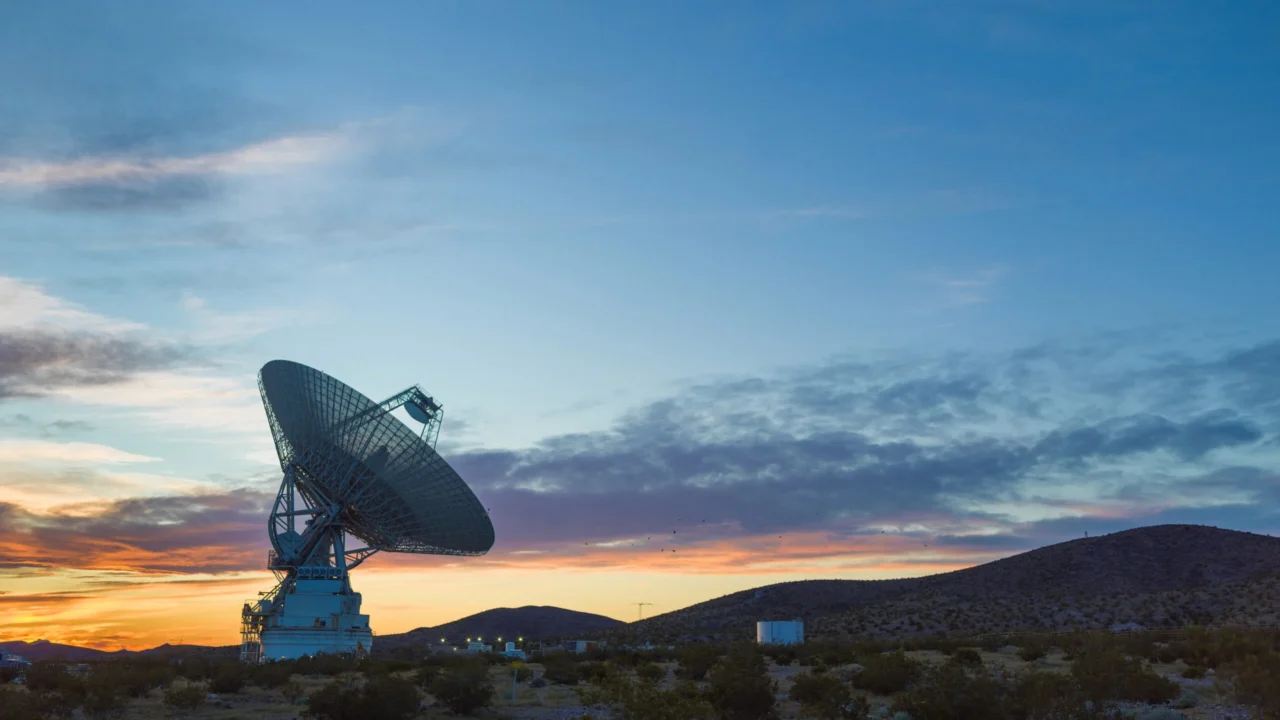
NASA has finalized its investigation into the damage sustained by the Deep Space Station 14 (DSS-14) antenna at the Goldstone Deep Space Communications Complex in California. The incident, which occurred in September 2025, led to significant structural and system damage, prompting a thorough technical and organizational review by the agency.
What Happened
On September 16, 2025, while tracking the Juno spacecraft, the 70-meter DSS-14 antenna over-rotated, exerting excessive stress on cabling and structural supports. This caused damage including flooding from broken fire-suppression water lines. Despite efforts to stow the antenna safely after flooding was detected, the system’s rotation limits were exceeded, amplifying the damage. No injuries occurred.
Key Facts
- NASA classified the event as a Type A mishap based on damage costs estimated between $4.1 million and $4.6 million.
- The incident resulted from a combination of software weaknesses, human errors, and an undetected failure in the antenna’s hydraulic limit system.
- An electrical issue the previous day caused misreporting of the antenna’s rotation state, triggering multiple limit-stops during tracking.
- Operators unintentionally bypassed safety protocols while troubleshooting, leading to over-rotation.
- The hydraulic limit system had been inoperable due to previous undocumented damage and lacked adequate recent testing.
- Workplace cultural pressures at Goldstone contributed to operators exceeding their roles and expertise.
- Other Deep Space Network sites do not share the same cultural challenges, maintaining stricter operational discipline.
- DSS-14 will remain offline for repairs and previously scheduled upgrades until about October 2028.
- The network continues full mission support via its other 13 antennas across California, Australia, and Spain.
Why It Matters
DSS-14 is a critical component of NASA’s Deep Space Network, which supports communications for numerous spacecraft exploring the solar system. The mishap not only caused costly damage but also exposed vulnerabilities in procedures, system design, and workplace culture. Strengthening these elements is essential to ensure the Deep Space Network’s reliability for ambitious future missions and national planetary defense.
Background
The Deep Space Network (DSN) operates large antennas worldwide to maintain communication with NASA’s interplanetary spacecraft. DSS-14, the largest at 70 meters, is located at Goldstone, California. The network is vital for mission tracking, telemetry, and data return, servicing over 40 active missions. The incident occurred amid regular operations tracking the Juno spacecraft orbiting Jupiter.
Analysis
The investigation, conducted by a Mishap Investigation Board, identified multiple factors contributing to the event. These included a software control system flaw, inadequate testing and maintenance of mechanical safeguards, and human factors exacerbated by operational pressures. The board emphasized the need to update procedures, improve training, and rebuild core capabilities to prevent recurrence. Cultural issues unique to Goldstone’s operations required particular attention.
Who Is Affected
The event directly impacts NASA’s Space Communications and Navigation program, the Goldstone site personnel, and mission teams relying on DSS-14. Indirectly, it affects all NASA interplanetary missions utilizing DSN assets and the broader scientific community dependent on continuous spacecraft data.
Reactions / Official Statements
NASA officials stated their commitment to learning from the mishap and implementing the investigation’s recommendations. Joel Montalbano, acting associate administrator for Space Operations, highlighted plans to strengthen processes and rebuild operational discipline across the network. Kevin Coggins, deputy associate administrator for the SCaN program, noted ongoing efforts to standardize training and improve resilience across all DSN sites.
What Remains Unclear
This information was not confirmed in the reviewed sources.
What Comes Next
DSS-14 will undergo comprehensive repairs alongside scheduled maintenance and upgrades expected to complete by October 2028. These enhancements aim to modernize the network’s capabilities in support of future deep space exploration and planetary defense missions. NASA is already applying lessons learned to improve system-wide procedures and the operational culture at all DSN locations.
Sources
- NASA Public Affairs Specialist Jimi Russell, official NASA report on DSS-14 mishap investigation, June 2026
Sources
This article is based on reporting and publicly available information from the following source:
Read more Space & NASA stories on Goka World News.