
Inflation in the United States accelerated in May, reaching a 4.2% annual rate—the highest in more than three years—largely driven by soaring energy prices impacted by the ongoing Iran war. This marks a significant rise from April’s 3.8% inflation rate and continues a trend of growing consumer price pressures.
What Happened
The Consumer Price Index (CPI) increased at an annual rate of 4.2% in May, exceeding economists’ expectations. This jump was primarily influenced by rising energy costs linked to disruptions in global energy supply chains due to the Iran war, including the closure of the strategic Strait of Hormuz. Fuel prices, particularly gasoline, surged by more than 40% compared to a year earlier, significantly contributing to the monthly inflation increase.
Key Facts
- May inflation rate rose to 4.2% from 3.8% in April, the highest since April 2023.
- Energy prices accounted for over 60% of the CPI increase in May.
- Gasoline prices climbed 40.5% year-over-year.
- Core inflation, excluding food and energy, increased slightly to 2.9% annually from 2.8% in April.
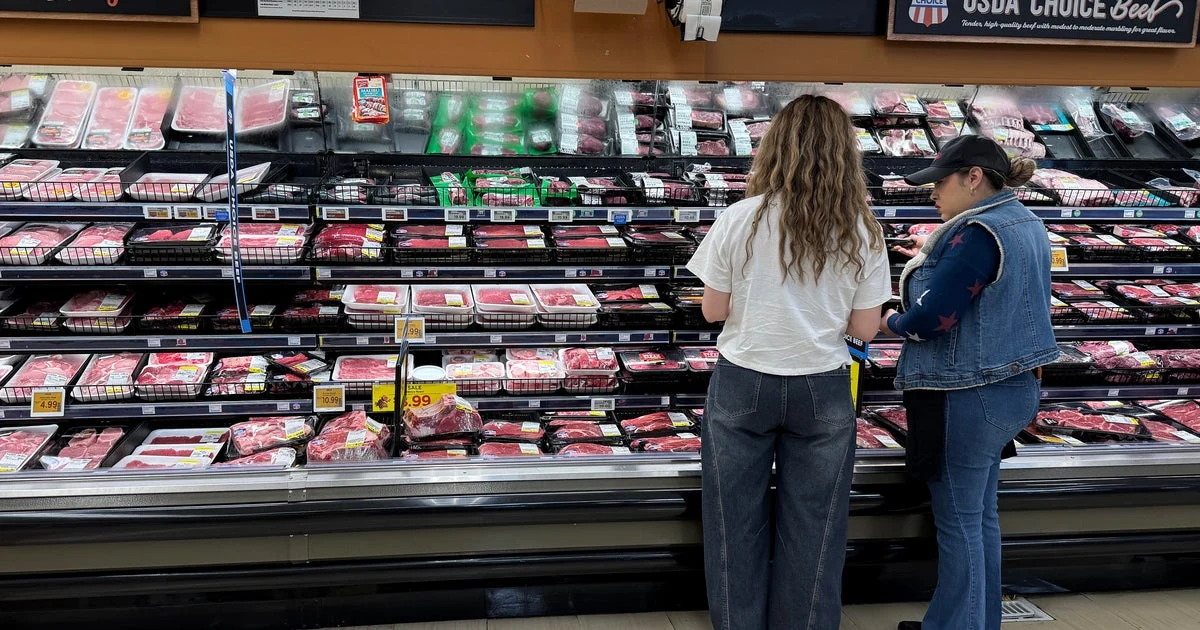
- Food prices rose 2.7%, with notable jumps in tomatoes (32%), lettuce (25%), and coffee (17.5%).
- Some categories, such as new vehicles, household furniture, and prescription drugs, saw price declines for the first time in over a year.
Why It Matters
Rising inflation directly impacts household budgets as wage growth lags behind price increases, leading to diminished purchasing power for consumers. The surge in energy and food costs particularly strains essential expenditures, contributing to financial stress for many Americans. These inflation trends also influence Federal Reserve monetary policy decisions and may affect interest rates moving forward.
Background
Inflation had been gradually climbing from a 2.4% annual rate in January 2026, with a notable acceleration due to global energy supply disruptions caused by geopolitical tensions in Iran. The closure of the Strait of Hormuz, a crucial oil transit route, has led to increased fuel costs worldwide, which in turn has raised prices across various sectors reliant on energy.
Analysis
Economists highlight that while energy prices largely drive the inflation spike, core inflation remains relatively stable, which suggests broader inflationary pressures have not yet become widespread. Price declines in some consumer goods may indicate previous tariff-related cost increases are easing. The peak inflation rate observed in May could signal a turning point, with expectations that inflation may slow in upcoming months.
Who Is Affected
American consumers bear the brunt of the inflation increase, particularly those whose incomes are not keeping pace with rising costs. Household budgets for essentials such as fuel, groceries, and utilities are under strain, disproportionately impacting lower- and middle-income families.
Reactions / Official Statements
Economists and market analysts note the inflation surge complicates the Federal Reserve’s plans. While rate cuts were anticipated earlier in the year, current conditions raise the possibility of rate hikes instead. Fed officials are expected to maintain current borrowing costs at their upcoming policy meeting as they monitor inflation persistence.
What Remains Unclear
This information was not confirmed in the reviewed sources.
What Comes Next
Experts suggest May could mark the peak in headline inflation, with possible easing later in 2026 if energy prices continue to moderate. The Federal Reserve’s next moves regarding interest rates remain uncertain but could shift toward tightening if inflationary pressures prevail.
Sources
This article is based on reporting and publicly available information from the following source:
Read more Business stories on Goka World News.