
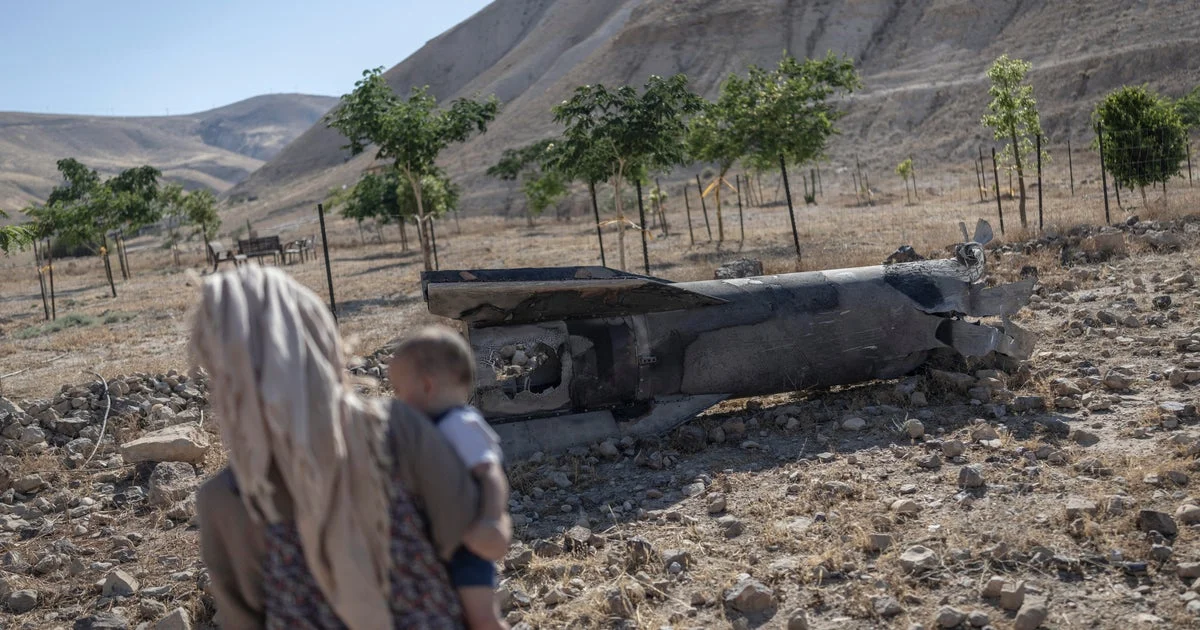
The United States has denied that Iran has closed the strategically vital Strait of Hormuz, amid renewed hostilities in the Persian Gulf that have triggered missile strikes and retaliatory attacks across the region. This escalation follows recent U.S. military strikes against Iranian targets in early June 2026.
What Happened
In the days leading up to June 11, 2026, the U.S. conducted military strikes against Iranian infrastructure, including an attack on an oil tanker in the Gulf of Oman and facilities on Iranian soil. Iran responded by launching missiles and drones at several Gulf states hosting U.S. forces, such as Kuwait, Bahrain, and Jordan. Iranian forces claimed to have targeted the Al-Azraq Air Base in Jordan with ballistic missiles. The U.S. military denied that Iran had closed the Strait of Hormuz despite reports suggesting otherwise. Diplomatic efforts continued, with a Qatari team recently returning from Tehran after talks. President Trump announced plans for further strikes and expressed intent to seize the Iranian island of Kharg and other oil infrastructure in the near future.
Key Facts
- The U.S. military launched attacks on Iranian targets, including three commercial oil tankers in the Gulf of Oman, citing violations of a blockade on Iranian oil exports.
- Three Indian mariners were killed on the Palau-flagged tanker Settebello during a U.S. strike, prompting India to lodge a strong protest.
- Iran launched missile and drone attacks on Kuwait, Bahrain, and Jordan, with Jordan intercepting 20 missiles and reporting no casualties.
- An 11-year-old girl was injured in Bahrain from debris after an Iranian drone was intercepted.
- Iran’s Revolutionary Guard claimed to have fired 12 ballistic missiles at the U.S. Al-Azraq Air Base in Jordan.
- President Trump announced intentions to seize Kharg Island and other Iranian oil infrastructure, while denying the Strait of Hormuz has been closed by Iran.
- Qatari diplomats conducted talks in Tehran aimed at negotiating peace between the U.S. and Iran.
- Iran’s Foreign Ministry condemned U.S. strikes as violations of a nearly two-month ceasefire, declaring the ceasefire “practically meaningless.”
Why It Matters
The conflict directly threatens the security of critical maritime routes essential for global oil exports, notably the Strait of Hormuz. Escalation risks disrupting international trade and increasing energy market volatility. The renewed hostilities raise concerns about regional stability in the Persian Gulf and could exacerbate humanitarian consequences for civilian populations in the affected states. Diplomatic efforts to broker peace are under severe strain given ongoing military exchanges.
Background
This conflict follows a fragile ceasefire between the United States and Iran reached in early April 2026, which has since been undermined by repeated violations and military actions. The U.S. has imposed a naval blockade on Iranian ports to restrict oil exports, leading to military confrontations. Iran’s missile and drone responses aim to retaliate against these U.S. strikes and blockade enforcement.
Analysis
Kremlin spokesman Dmitry Peskov called for restraint and a return to negotiations, warning that continued hostilities would have negative consequences for regional security and the global economy. Pakistan’s foreign ministry acknowledged the difficulty of the situation but emphasized ongoing mediation efforts. President Trump publicly asserted that the U.S. could deploy ground forces to seize Iranian oil infrastructure but questioned if there was domestic support for such an operation.
Who Is Affected
The immediate impact is on Gulf states including Iran, Kuwait, Bahrain, and Jordan, where military and civilian infrastructure sustain damage and residents face risks from missile attacks. Commercial maritime personnel, notably Indian mariners working aboard oil tankers, have suffered casualties. The global oil market and nations dependent on Gulf oil exports are also indirectly affected by the volatility and threats to shipping lanes.
What Remains Unclear
- Whether Iran has fully closed the Strait of Hormuz remains officially denied by the U.S. and unconfirmed.
- The exact details and scale of damage from missile and drone strikes in Gulf states, and the precise humanitarian toll, are not fully specified.
- Future U.S. plans and internal U.S. political appetite for a ground invasion or prolonged conflict remain uncertain.
- The impact and potential success of diplomatic talks mediated by Qatar and Pakistan are pending further developments.
What Comes Next
U.S. President Trump has announced additional large-scale airstrikes against Iran are imminent. Diplomatic teams from Qatar and Pakistan will presumably continue mediation attempts to broker a negotiated settlement despite increased hostilities. The situation remains highly volatile with the potential for further military escalation in the Persian Gulf region.
Sources
This article is based on reporting and publicly available information from the following source:
Read more World News stories on Goka World News.