
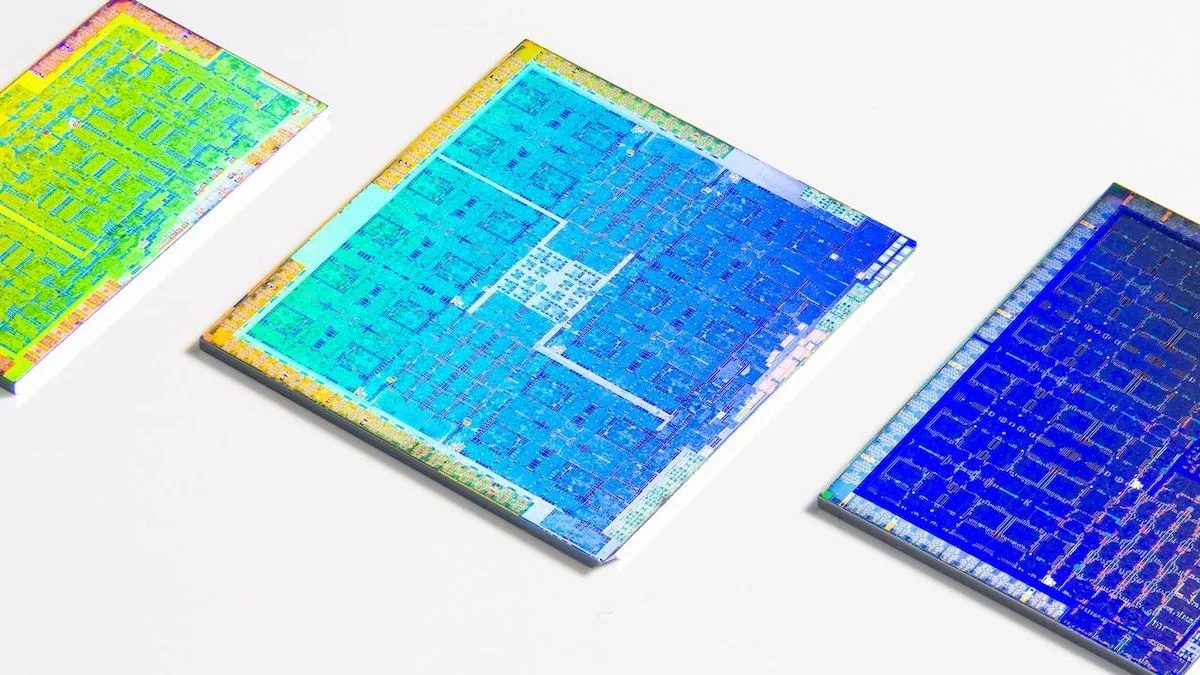
The United States’ strategy of imposing export controls to limit China’s access to advanced artificial intelligence (AI) chips and semiconductor technology may be producing unintended consequences. Despite restrictions intended to preserve American technological leadership, evidence suggests China is rapidly developing its own AI ecosystem and semiconductor capabilities, potentially challenging the US competitive edge in this critical sector.
What Happened
A recent report revealed hundreds of attempts by Chinese military entities to acquire advanced Nvidia AI chips, despite existing US export controls. Rather than deterring China, these controls have spurred Chinese firms like Huawei to accelerate their domestic semiconductor research and development (R&D), production, and technical innovation. The Chinese AI ecosystem is expanding beyond hardware to include software tools and system integration tailored for domestic platforms, signaling a strategic push for technological self-sufficiency.
Key Facts
- Five years ago, Chinese AI companies relied heavily on American chips and software platforms, with Nvidia dominating the market.
- US export controls aimed to restrict China’s chip purchases to maintain American dominance in AI and semiconductors.
- Chinese firms, facing limited access to US technology, have increased investment in domestic alternatives, with Huawei as a leading beneficiary.
- China is building a comprehensive AI ecosystem adapted to its own hardware, reducing dependency on US technology.
- Despite delays caused by export restrictions, Chinese AI models and semiconductor companies continue to improve and gain market presence.
- US companies are losing revenue and influence in China’s expanding technology market.
Why It Matters
This shift risks undermining the very goals of US export controls. Instead of preserving an American lead, the strategy may be pushing China toward technological independence and global competitiveness. This could result in a robust alternative AI ecosystem that diminishes US influence and economic security in a vital high-tech industry.
Background
US export controls on semiconductor components and AI chips have aimed to limit China’s ability to access cutting-edge technology with military and commercial applications. These measures are part of a broader effort to curb China’s technological rise amid geopolitical competition. Previous reliance by Chinese companies on American technologies made the US’s dominant role in AI clear. However, geopolitical tensions and supply chain uncertainties have encouraged China to seek self-reliant technological development.
Analysis
The export controls have created friction and delays for Chinese firms, but they also incentivize China’s government and companies to invest heavily in domestic innovation. The uncertainty surrounding US trade policies encourages Chinese companies to develop stable, long-term infrastructure free from foreign regulatory risks. Over time, this may lead to fully independent Chinese AI and semiconductor ecosystems challenging dominant US platforms and software stacks.
Who Is Affected
Chinese AI developers and semiconductor firms are directly affected, currently shifting toward domestic solutions. US technology companies, especially Nvidia and others supplying advanced chips and AI software, face revenue losses and declining Chinese market influence. The global technology landscape may evolve with competing AI ecosystems, influencing international supply chains, innovation trajectories, and strategic economic security.
Reactions / Official Statements
Huawei executives have acknowledged that US policies catalyzed their push for technological self-sufficiency. Chinese industry groups reportedly resist returning to US suppliers even when restrictions ease, viewing reliance on American technology as a strategic vulnerability. US policymakers generally support export controls as necessary but face increasing debate about their long-term efficacy and impact.
What Remains Unclear
This information was not confirmed in the reviewed sources: the precise future timeline for Chinese technological parity or superiority, the detailed internal strategic deliberations within US agencies, and the full economic impact assessments on American tech firms.
What Comes Next
The US faces a limited window to maintain its AI and semiconductor leadership by boosting innovation, investment, and global engagement. The policy focus may need to shift toward expanding American technology’s influence worldwide rather than shrinking its markets to China. Careful assessment and potential recalibration of export controls could be necessary to avoid accelerating China’s technological independence.
Sources
This article is based on reporting and publicly available information from the following source:
Read more AI Regulation stories on Goka World News.