
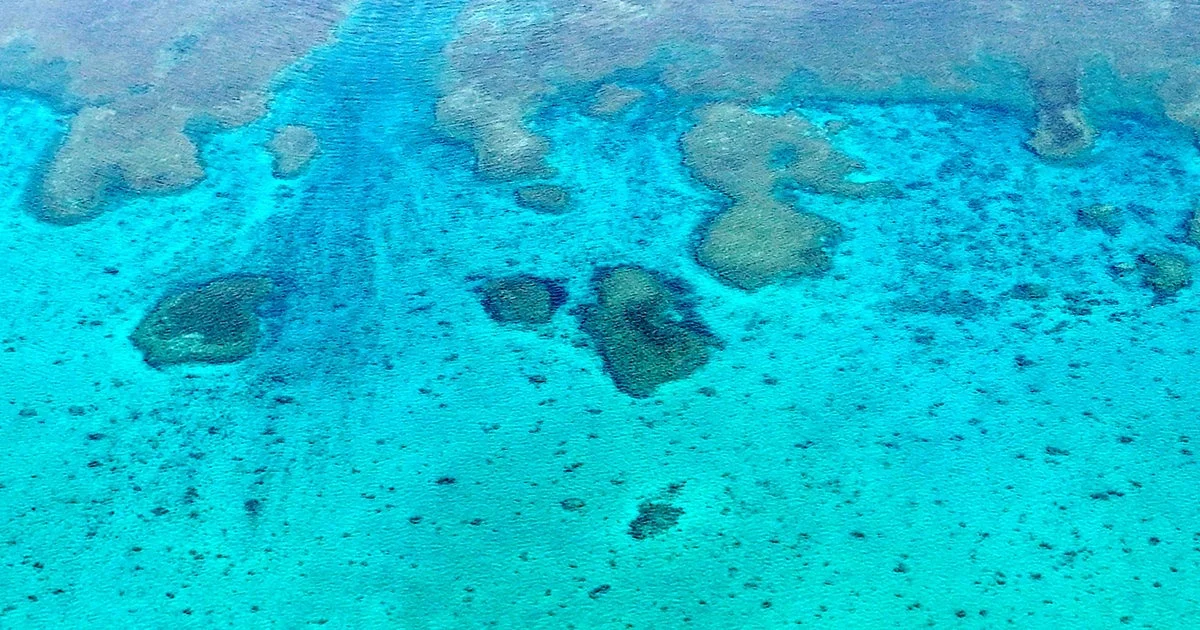
On June 11, 2026, U.S. intelligence agencies reported closely monitoring Chinese maritime operations around Scarborough Shoal in the South China Sea, amid heightened tensions with the Philippines over a new Chinese “scientific structure” installed within the disputed atoll.
What Happened
U.S. officials familiar with classified intelligence disclosed that China has placed a floating 6-by-6-meter platform equipped with antenna-like equipment in the middle of Scarborough Shoal, located roughly 140 miles west of Luzon island in the Philippines. The Philippine government identified the structure via aerial surveillance, and their National Task Force for the West Philippine Sea condemned its presence as illegal. The U.S. engaged with the Chinese government on the matter, with Beijing denying any military use of the structure but not fully disavowing that elements could be used by China’s military, the People’s Liberation Army (PLA).
Key Facts
- Scarborough Shoal (Bajo de Masinloc in the Philippines, Huangyan Dao in China) lies within the Philippines’ exclusive economic zone.
- China seized effective control of the shoal following a 2012 standoff and has maintained a consistent presence since then.
- The floating platform has personnel monitoring it; it is about 6 by 6 meters in size, equipped with what appears to be an antenna.
- The Philippine National Task Force for the West Philippine Sea formally protested China’s installation on June 9, 2026.
- China asserts sovereignty over the shoal, dismissing Philippine claims and accusing the U.S. of fomenting discord.
- Retired U.S. Navy Admiral John Aquilino described China’s military buildup over the past 20 years as the largest since World War II in the region.
- U.S. military planners have considered a show of force to counter Chinese moves near the shoal.
Why It Matters
The Chinese installation signals a potential attempt to solidify control over Scarborough Shoal, a strategically important territory claimed by both China and the Philippines. This development poses challenges to Manila’s sovereignty and threatens regional stability in a volatile maritime flashpoint. It also tests the U.S. commitment to defending its treaty ally, the Philippines, in the face of China’s expanding presence in the South China Sea.
Background
China has incrementally expanded its control over disputed features in the South China Sea, including creating fortified artificial islands in the Spratly Islands with military facilities. In 2012, China seized de facto control of Scarborough Shoal after a standoff with the Philippines. The U.S. and its allies have repeatedly opposed China’s territorial claims and militarization efforts. Last year, China designated the area a “national nature reserve,” drawing condemnation for restricting Filipino fishermen and escalating territorial tensions.
Analysis
Former U.S. Indo-Pacific Commander Admiral John Aquilino highlighted the unprecedented scale and advancement of China’s military buildup, calling it destabilizing to the region. Philippine officials view the floating structure as an extension of China’s coercive efforts to dominate the shoal. Meanwhile, China’s embassy spokesperson Liu Pengyu emphasized China’s sovereign rights to conduct scientific research, accusing the U.S. of sowing discord in the region.
Who Is Affected
- The Philippines, particularly coastal communities relying on access to traditional fishing grounds near Scarborough Shoal.
- China, which seeks to assert territorial claims and control maritime access routes in the South China Sea.
- The United States, which monitors the situation to uphold treaty obligations to the Philippines and maintain regional security balances.
What Remains Unclear
- Whether the newly installed floating “scientific structure” has any covert military functions.
- The full scope of China’s intentions for its presence at Scarborough Shoal.
- How the situation might escalate and what specific U.S. military or diplomatic responses will follow.
What Comes Next
Philippine agencies will continue assessing the purpose and implications of China’s installation. Washington and Manila are likely to pursue ongoing diplomatic engagement and consider potential military postures in response. No specific dates for future actions by the involved parties were confirmed.
Sources
This article is based on reporting and publicly available information from the following source:
Read more World News stories on Goka World News.