
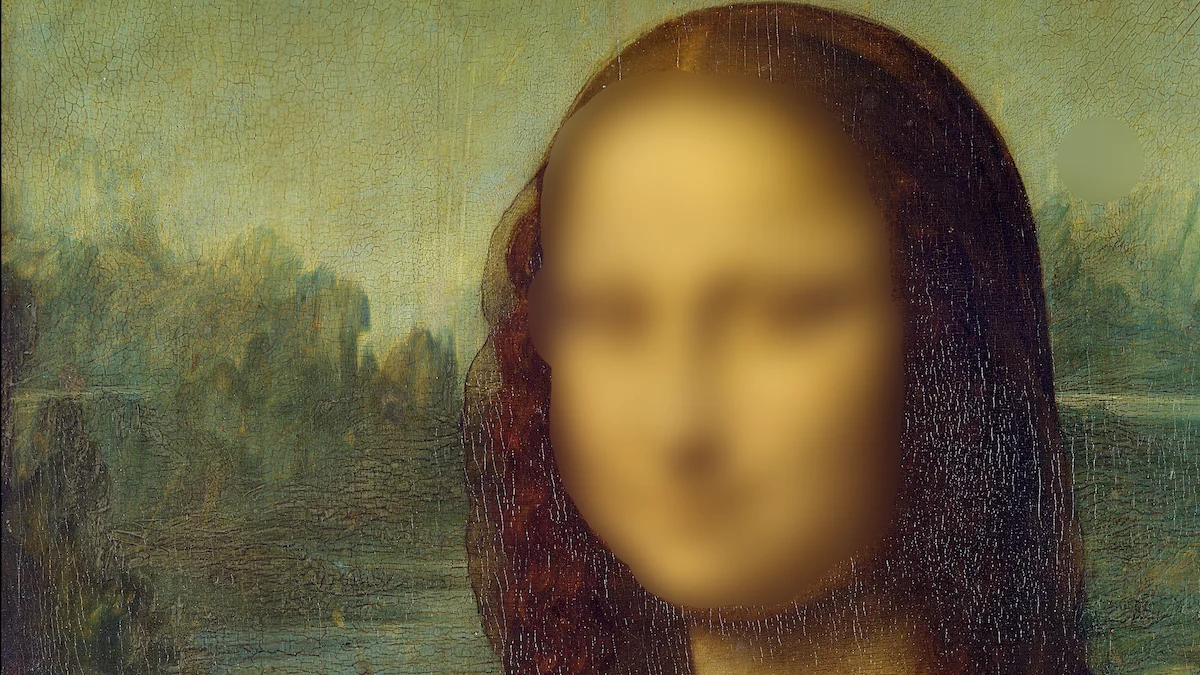
Recent advances in artificial intelligence have enabled the reconstruction of blurred faces in photos and videos, raising serious concerns about the effectiveness of traditional identity protection methods. Human rights organizations and media are increasingly reconsidering the use of blurring techniques due to these powerful AI tools that may reverse anonymization and expose individuals unknowingly.
What Happened
In early 2026, reports surfaced detailing how AI-powered tools were used online to identify partially obscured individuals, including an instance involving an ICE agent whose partially blurred face was reconstructed, potentially enabling biometric comparison. Human Rights Watch has publicly updated its anonymity protocols in 2024 to avoid capturing identifiable facial data due to these technological developments.
Key Facts
- Blur reversal technology exploits AI models capable of deconvolution and denoising to reconstruct faces from blurred or pixelated images.
- Traditional blurring methods—Gaussian blur, pixelation—only degrade but do not erase identifying information, making them vulnerable to AI-based recovery.
- Human Rights Watch revised field practices in 2024 to avoid capturing identifiable facial data, favoring methods such as filming individuals looking away or blocking faces.
- The US Department of Justice’s 2025 released images related to Jeffrey Epstein used solid black boxes for redaction instead of blurring, reflecting a shift in redaction methods.
- Experts recommend rigorous anonymization techniques, including full redaction (black squares) and layered obfuscation combining multiple distortions beyond simple blur.
Why It Matters
The rise of AI-powered image reconstruction undermines the anonymity and privacy of individuals, particularly vulnerable groups such as children, activists, or witnesses. Reversing blurs risks exposing identities, increasing dangers such as reprisals or targeting. This challenges existing ethical standards and calls for new regulation and best practices to handle sensitive visual data responsibly.
Background
For years, human rights and media organizations have relied on blurring to protect privacy and dignity while preserving context in visual evidence. However, prior cases, such as a criminal identified through reversed spiral blur nearly two decades ago, demonstrated that blurring is not foolproof. The exponential improvement and accessibility of AI tools have now escalated this risk significantly.
Analysis
Experts consulted by Human Rights Watch unanimously agree that current blurring provides no guaranteed protection against AI-powered deblurring. They emphasize that while blurring was designed for human perception, machine vision systems are specifically trained to recover signals from noise. Recommendations include adopting “black square” redaction to fully remove biometric data or employing multi-layered anonymization techniques. Another innovative idea involves replacing real faces with AI-generated synthetic faces before blurring to ensure any reversal does not reveal real identities.
Who Is Affected
- Human rights organizations documenting sensitive situations involving activists, children, victims, and witnesses.
- Media outlets publishing anonymized visual content for public awareness while seeking to protect individual privacy.
- Law enforcement and investigative bodies relying on redacted images.
- Individuals whose faces are blurred for anonymity in online or public media.
What Remains Unclear
- The long-term ethical implications for human rights organizations using generative AI to alter or fabricate faces in video evidence remain uncertain.
- How widespread the adoption of AI-driven anonymization techniques will be across small media outlets and civil society organizations is unclear.
- The technical limits and best standards for combined anonymization methods balancing privacy with evidentiary value are still evolving.
- Regulatory or legal frameworks addressing these new AI capabilities in relation to privacy protections have not been fully defined or enacted.
What Comes Next
Human rights groups are revising best practices and guidelines for visual documentation to minimize identifiable data capture. The broader policy and regulatory responses to AI-enabled deblurring and biometric privacy protections are expected to be discussed more widely, though no formal regulatory actions were confirmed in the reviewed sources.
Sources
This article is based on reporting and publicly available information from the following source:
Read more Artificial Intelligence stories on Goka World News.