
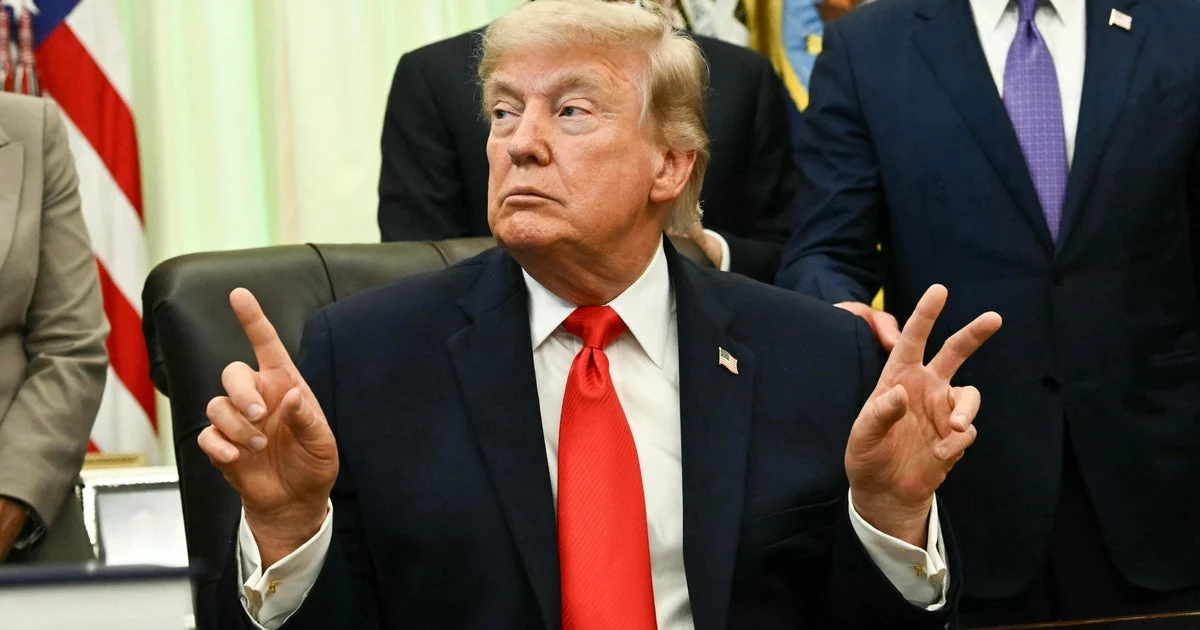
Iran’s Foreign Ministry has warned that no final conclusion has been reached on a ceasefire agreement with the United States, contradicting President Donald Trump’s announcement that a deal to end the war and reopen the Strait of Hormuz has been agreed upon. The developments come amid ongoing tensions in the Gulf and disruptive impacts on global oil supplies.
What Happened
The Iranian government, through Foreign Ministry spokesman Esmaeil Baqaei, stated on June 11, 2026, that while the text of an agreement with the U.S. is “largely finalized,” Tehran has not made a final decision to accept the terms. This caution follows President Trump’s statement that a complete settlement has been reached and that the deal would be signed soon, likely in Europe. The agreement reportedly involves a 60-day ceasefire extension, reopening the strategically vital Strait of Hormuz to shipping, and a halt to uranium enrichment for 15-20 years in exchange for phased financial relief.
Key Facts
- The ceasefire would extend for 60 days, beginning once the deal is activated.
- The Strait of Hormuz, a key shipping lane through which about 20% of global crude oil typically passed before the war, is to reopen under the agreement.
- Iran would suspend its uranium enrichment program for 15 to 20 years, dismantling nuclear sites during that time.
- The U.S. would release $24 billion in frozen Iranian financial assets in stages corresponding with Iran’s compliance.
- Iran denies agreeing to cede control or management of the Strait of Hormuz.
- President Trump canceled planned military strikes on Iran following the announcement of progress in talks.
- Israeli Prime Minister Benjamin Netanyahu affirmed full agreement with Trump on preventing Iran from acquiring nuclear weapons.
Why It Matters
The partial agreement and ceasefire could ease regional military tensions and stabilize global oil markets by reopening a critical shipping route long disrupted by conflict. However, Iran’s hesitation signals ongoing diplomatic complexities and uncertainty about the final terms, affecting international security and energy prices.
Background
The U.S. and Israel launched military operations against Iran on February 28, 2026, leading to significant regional instability and disruptions in maritime traffic through the Strait of Hormuz. Previously, the U.S. imposed a blockade on Iranian ports, and Iran demanded vessels obtain armed forces’ permission, charging fees for passage. The conflict triggered global oil price surges and diplomatic efforts to reach a settlement.
Analysis
Esmaeil Baqaei, Iran’s Foreign Ministry spokesman, highlighted the instability caused by inconsistent U.S. positions during the negotiation process. Israeli Prime Minister Netanyahu emphasized his longstanding opposition to Iran’s nuclear program and expressed strong support for Trump’s approach to the ceasefire talks.
Who Is Affected
- Iranian and U.S. governments involved in the ceasefire and negotiation process.
- Countries reliant on oil transported through the Strait of Hormuz.
- Regional actors, including Israel, which sees Iran’s nuclear ambitions as a major threat.
- International shipping and energy markets impacted by the military conflict and shipping disruptions.
What Remains Unclear
- The exact final terms of the agreement and Iran’s official acceptance.
- Whether Iran will agree to cede any control or management over the Strait of Hormuz.
- The detailed timeline for phased asset releases and compliance verification.
- Potential additional U.S. demands that might delay or alter the deal.
What Comes Next
The 60-day ceasefire period, if implemented, would begin once the memorandum of understanding is fully ratified. Further negotiations on Iran’s nuclear program are expected during this timeframe. The anticipated signing of the agreement is likely to take place in Europe soon, but no confirmed date has been announced.
Sources
This article is based on reporting and publicly available information from the following source:
Read more World News stories on Goka World News.