
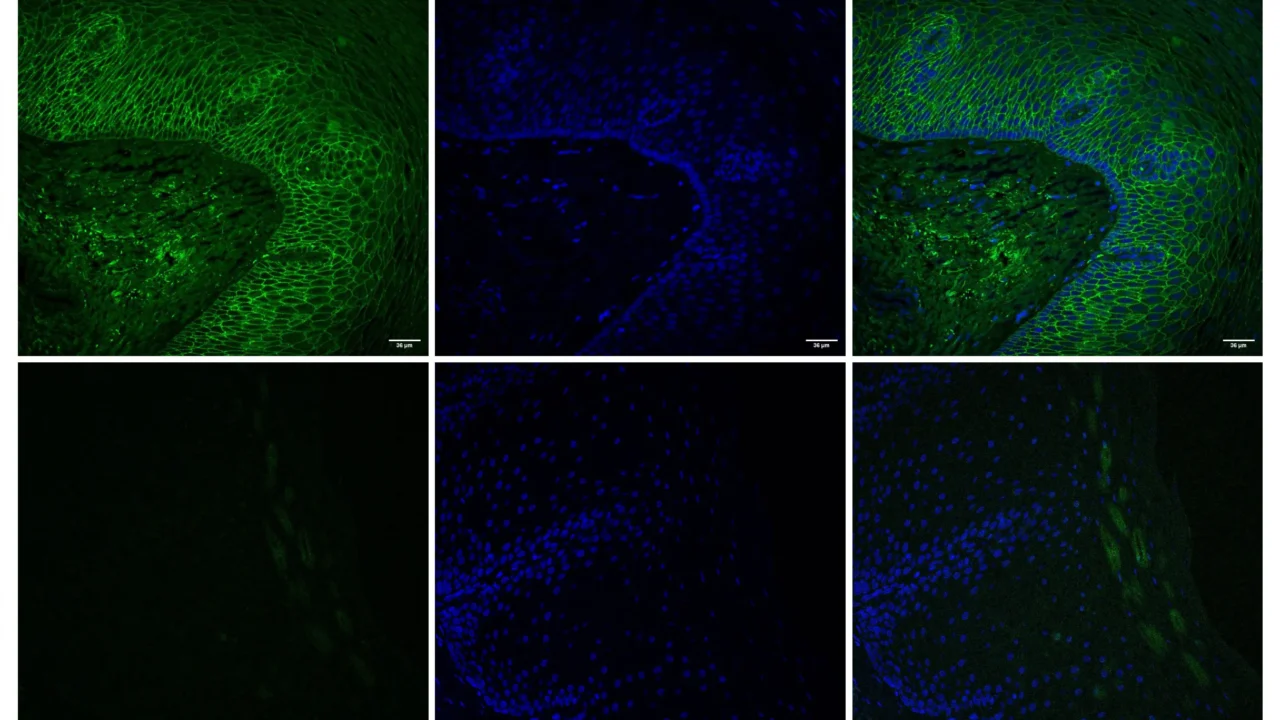
MIT engineers have developed a novel gel-like oral drug formulation designed to coat the mucosal lining of the esophagus, allowing direct delivery of medications to this hard-to-treat region. The research, led by associate professor Giovanni Traverso and published in Nature Biomedical Engineering, addresses challenges in treating esophageal diseases by enhancing local drug absorption while minimizing systemic side effects.
What Happened
The team at MIT designed a polysaccharide-based hydrogel combined with bile salts to increase the permeability of the esophageal mucosal barrier. Using a custom-built screening system mimicking the esophageal tissue structure, they identified that a combination of sodium chenodeoxycholate and sodium cholate loosened cell junctions to facilitate drug passage. The hydrogel formulation was tested in animal models, demonstrating effective delivery of infliximab, an antibody used to treat autoimmune conditions like Crohn’s disease and eosinophilic esophagitis, directly to the esophagus.
Key Facts
- Research published in Nature Biomedical Engineering on the date of the study’s release.
- Led by MIT associate professor Giovanni Traverso, with lead author Christina Karavasili, now at Aristotle University of Thessaloniki.
- The esophageal drug screening system uses esophageal tissue between two plates to measure drug permeability.
- The hydrogel includes bile salts sodium chenodeoxycholate and sodium cholate to temporarily open cell-cell junctions.
- The formulation was tested for delivery of infliximab, a TNF-alpha neutralizing antibody, in animal studies.
- The loosening of cell junctions was reversible, with normal tissue barriers restored within three days.
- Funded by MIT’s Department of Mechanical Engineering, Brigham and Women’s Hospital, ARPA-H, and the Karl van Tassel Career Development Professorship.
Why It Matters
This discovery offers a method for localized drug delivery to the esophagus, where current treatments rely on systemic administration that can cause significant side effects due to widespread immunosuppression. By targeting the esophageal tissue directly, this approach could improve treatment efficacy for diseases like eosinophilic esophagitis and Crohn’s-related esophageal inflammation while minimizing risks such as infection.
Background
Esophageal diseases including eosinophilic esophagitis and Crohn’s disease cause inflammation that is difficult to treat because the esophagus is lined with a highly impermeable stratified squamous epithelium. Existing treatments with systemic antibodies like infliximab carry risks from immunosuppression, and local drug delivery options have been limited due to rapid passage of oral drugs and poor tissue permeability.
Analysis
According to lead author Christina Karavasili, the bile salts in the hydrogel temporarily loosen cell junctions primarily by interacting with calcium ions that maintain junction integrity, creating pathways for larger drug molecules to permeate the mucosal tissue. Giovanni Traverso highlighted that this platform could enable new therapeutic options by overcoming the difficulties of targeting the esophageal tissue and potentially reducing systemic adverse effects from immunosuppressive drugs.
Who Is Affected
Patients suffering from esophageal inflammatory diseases such as eosinophilic esophagitis and Crohn’s disease with esophageal involvement stand to benefit from this targeted drug delivery system. Additionally, healthcare providers may have improved tools for treating these conditions more safely and effectively.
What Remains Unclear
- Exact duration of hydrogel adhesion optimal for patient comfort and drug delivery efficacy.
- Full range of drugs beyond infliximab that can be effectively delivered with this platform.
- Results of clinical trials in human patients.
- Long-term safety and potential immune or tissue responses in humans.
What Comes Next
The researchers are focused on optimizing the hydrogel’s formulation to balance adhesion time and comfort for future human testing. They are also exploring broader applications of this drug delivery platform for other antibody or small-molecule therapies targeting esophageal disorders.
Sources
This article is based on reporting and publicly available information from the following source:
Read more Science & Technology stories on Goka World News.