
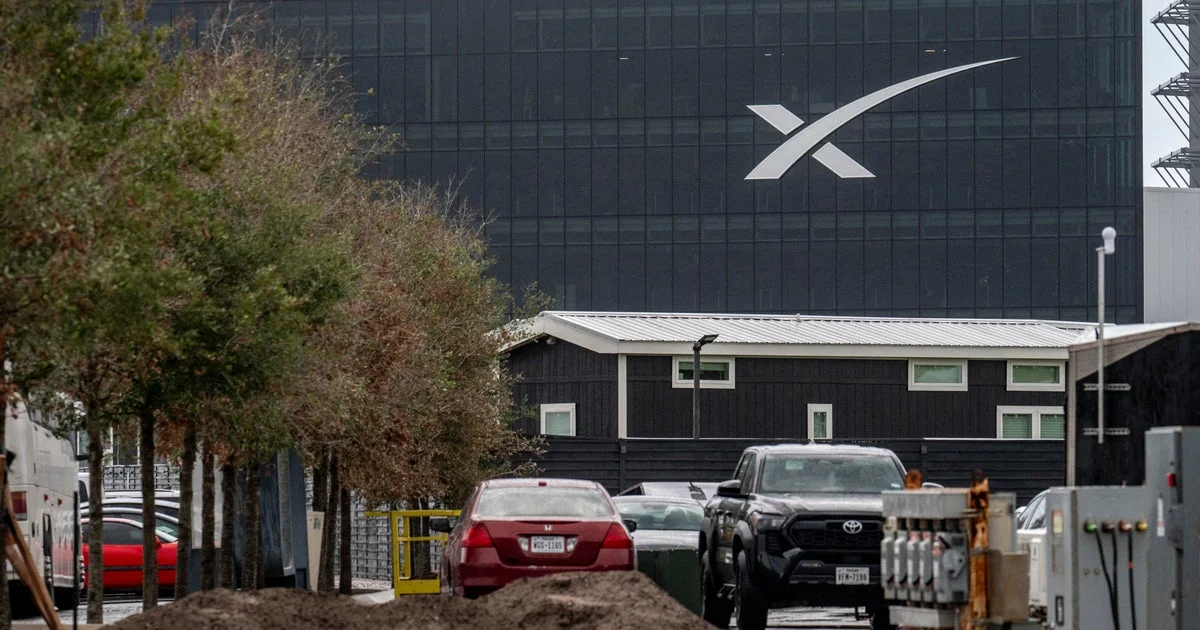
SpaceX’s initial public offering (IPO) on June 9, 2026, catapulted the company’s market value to over $2 trillion, making founder Elon Musk the first person worth over $1 trillion. Around its Starbase headquarters in the Rio Grande Valley of Texas, the IPO brought attention to the local economic and social changes driven by the company’s expansion, with residents expressing mixed opinions about its community impact.
What Happened
SpaceX, based in Starbase, Texas, launched its IPO on June 9, 2026, marking the largest-ever IPO in history by market valuation. The company employs more than 4,000 workers at Starbase, with plans to nearly double that number this year. The Starbase site has become notable for its rocket development and launches, attracting business growth and new residents to the surrounding communities of Brownsville and Port Isabel.
Key Facts
- SpaceX’s IPO raised the company’s valuation above $2 trillion as of June 9, 2026.
- Elon Musk’s net worth surpassed $1 trillion following the IPO.
- Starbase workforce exceeds 4,000 with plans to grow to 8,000 in 2026.
- Approximately 70% of SpaceX employees at Starbase are from the local area.
- Brownsville, Texas, has a population of roughly 192,000 and is located about 20 miles from Starbase.
- Average home prices in Brownsville increased nearly 75% from $112,705 in 2018 to $196,920 in 2026.
Why It Matters
The IPO underscores SpaceX’s monumental financial growth and solidifies its prominence in the aerospace industry. Locally, the company has stimulated the economy through job creation and increased tourism on rocket launch days. However, the surging housing prices and environmental concerns highlight the challenges communities face alongside rapid corporate growth.
Background
Before SpaceX’s arrival, the area near Starbase was primarily known for coastal wildlife and birdwatching, with few residents and modest economic activity. SpaceX transformed the region into a tech hub centered on aerospace development, shifting demographics and economic patterns.
Analysis
Business owners like Marco Colorado in Port Isabel note increased patronage tied to SpaceX events, describing a “new type of tourism” linked to rocket launches. Conversely, environmental advocates and locals such as Etienne Rosas, a Brownsville native and former congressional candidate, point to rocket debris, air quality issues, and widened economic inequality resulting from rising housing costs as negative consequences of SpaceX’s expansion.
Who Is Affected
The immediate communities near Starbase, including Brownsville and Port Isabel, Texas, are directly impacted by SpaceX’s presence. Employees largely hail from the local area, while the region’s long-standing Latino population faces rising living costs and environmental changes.
What Remains Unclear
- The long-term environmental impact of ongoing rocket launches on local wildlife and air quality remains to be fully assessed.
- The extent to which housing price increases are directly attributable to SpaceX versus other market factors is still debated.
- Information on SpaceX’s official response to local concerns was not available as the company did not provide comments.
What Comes Next
SpaceX plans to continue expanding its workforce in 2026, nearly doubling staff at Starbase. The company’s ongoing launch schedule is expected to maintain economic activity and regional visibility. Further developments in local infrastructure and housing markets will likely follow as the region adapts to the company’s growth.
Sources
This article is based on reporting and publicly available information from the following source:
Read more Business stories on Goka World News.