
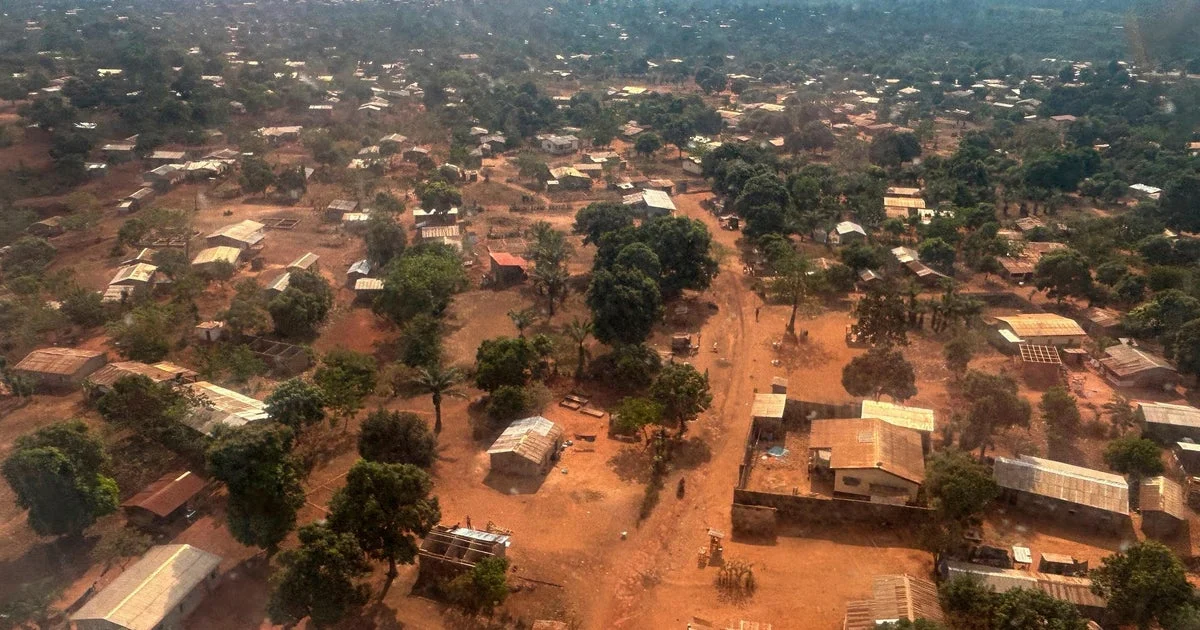
The Trump administration on June 12, 2026, deported roughly 20 migrants from Afghanistan, Iran, and other countries to the Central African Republic (CAR), a nation the U.S. State Department warns Americans to avoid due to ongoing violence and civil unrest. The deportations represent part of a broader administration effort to remove undocumented migrants, including those with legal protections, to third countries with no connection to them.
What Happened
On June 12, 2026, the U.S. government deported a group of approximately 20 migrants to the Central African Republic. The individuals included migrants from Afghanistan, Iran, Armenia, and Iraq. This operation occurred despite the U.S. State Department’s Level 4 travel advisory strongly cautioning against travel to the CAR for any reason, citing risks from unrest, crime, and terrorism.
Among those deported was an Iranian pro-democracy activist who had received a legal immigration court order granting withholding of removal, which protects individuals from being returned to places where they face likely persecution. Immigration counsel confirmed she was unaware of the deportation destination until the day before the flight. Two additional Iranian women, Christian converts fleeing religious persecution, were transported to Louisiana for deportation to the CAR but were not placed on the flight.
A spokesperson for the Department of Homeland Security (DHS) stated that the administration is using all legal means to carry out what it calls the “largest deportation operation in history,” including the deportation of migrants to third countries such as the CAR, El Salvador, and Guantanamo Bay detention facilities.
Key Facts
- Deportations occurred on June 12, 2026.
- Roughly 20 migrants were deported to the Central African Republic.
- Deportees included nationals from Afghanistan, Iran, Armenia, and Iraq.
- The Central African Republic is under a U.S. State Department Level 4 travel advisory.
- At least one deportee had legal protection against return to their native country due to risk of persecution.
- DHS spokesperson cited President Trump and Secretary Mullin’s commitment to using all lawful options for deportations.
Why It Matters
The deportations highlight an aggressive U.S. immigration enforcement policy targeting not only undocumented migrants but also those granted legal protections under U.S. asylum laws. Sending migrants to a conflict-ridden country like the Central African Republic raises concerns about their safety, well-being, and potential forced returns to original home countries where they fear persecution.
Background
The Trump administration has significantly expanded deportations to third countries, moving migrants to nations where they have no legal status or connections. This policy diverges from prior practices where individuals with withholding of removal status were often allowed to remain in the U.S. This deportation strategy includes agreements with several African and Latin American countries to accept third-country deportees.
The Central African Republic has long suffered from armed conflict, political instability, and human rights abuses. The U.S. State Department advises against travel there due to ongoing threats including crime, terrorism, and kidnappings.
Analysis
Legal advocates like immigration lawyer Emily Trostle expressed concern that deporting migrants with withholding of removal protections to third countries without support networks effectively abandons them, exposing them to potentially dangerous outcomes. Critics argue this policy undermines established asylum protections. Meanwhile, DHS officials defend the approach as a lawful enforcement of immigration policies under President Trump and Secretary Mullin, emphasizing border security and ending illegal immigration.
Who Is Affected
The deported migrants, including asylum seekers from Afghanistan, Iran, Armenia, and Iraq, are directly impacted as they face potential dangers in the Central African Republic. Additionally, the policy affects U.S. immigrant communities and legal advocacy organizations engaged in asylum protection. The broader Central African Republic population may also be indirectly impacted by the sudden arrival of migrants with no support infrastructure.
What Remains Unclear
- The Central African Republic government’s specific plans to process or assist the deported migrants remain unconfirmed.
- It is unclear whether the deportees will be able to remain safely in the Central African Republic or face deportation back to their original home countries.
- The total number of migrants deported to third countries under this operation has not been fully disclosed.
What Comes Next
This information was not confirmed in the reviewed sources.
Sources
This article is based on reporting and publicly available information from the following source:
Read more Politics stories on Goka World News.