
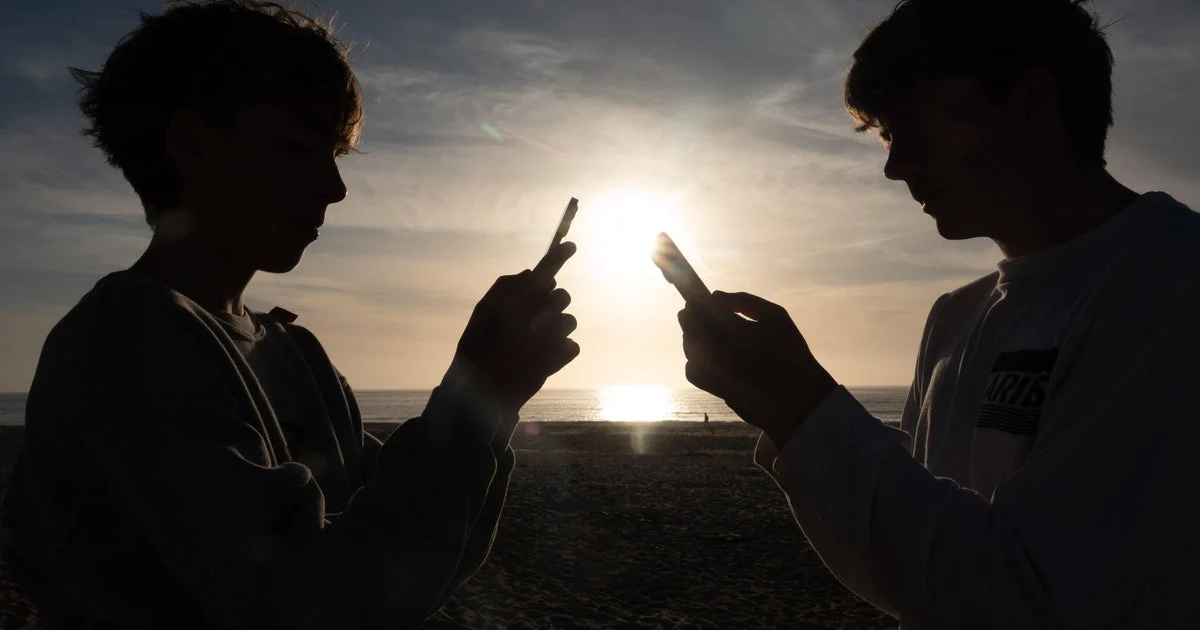
The United Kingdom announced a plan to ban children under 16 from accessing major social media platforms, marking a significant move to protect young users from addictive and harmful content. Prime Minister Keir Starmer unveiled the proposal on June 15, 2026, which also seeks to block risky app functions like livestreaming and communication with strangers, extending some restrictions to gaming sites.
What Happened
On June 15, 2026, U.K. Prime Minister Keir Starmer announced legislation to prohibit children under the age of 16 from using platforms such as Snapchat, TikTok, YouTube, Instagram, Facebook, and X. The ban will exclude messaging services like WhatsApp. The government aims to pass the regulations by late December 2026 so they can take effect by spring 2027. The law will require technology companies to ensure underage users are blocked and will impose substantial fines on those who fail to comply.
Key Facts
- The ban applies to children under 16 for social media platforms including Snapchat, TikTok, YouTube, Instagram, Facebook, and X.
- Messaging apps such as WhatsApp will remain accessible to under-16 users.
- Additional restrictions will target “harmful functions,” including livestreaming and stranger communication.
- Individuals under 18 will be banned from artificial intelligence “romantic companions,” though details remain unclear.
- Australia became the first country to impose a similar ban in December 2025.
- U.K. polling indicates strong parental support for the proposed ban.
- Tech companies will face heavy fines for non-compliance with age restrictions.
Why It Matters
The legislation aims to safeguard children from addictive online content and potentially harmful interactions, addressing a growing concern over child mental health and social media addiction. By enforcing age limits and restricting dangerous features, the U.K. intends to foster safer digital environments for youth, potentially influencing global standards on youth online protection.
Background
The U.K. follows Australia, which introduced a ban for under-16s in December 2025. Despite that law, Australian authorities note many children bypass age gates to access platforms. The social media ban movement is gaining traction internationally, with countries including France, Denmark, Malaysia, and Ireland considering similar regulations. The U.K. government also drew on a 2026 U.S. court ruling holding Meta and YouTube liable for fostering addictive behavior among young users as a legal precedent.
Analysis
Prime Minister Starmer emphasized the importance of regulations regardless of enforcement challenges, stating, “We don’t say: ‘Oh, a teenager managed to get a drink, so let’s not bother banning drinks from children.’ That would be utterly ridiculous!” The U.S. Embassy in London expressed reservations about the effectiveness of age-gating and urged protection balanced with freedom of speech, emphasizing parental responsibility as the first safeguard for children online.
Who Is Affected
The ban directly affects children under 16 in the U.K. and the companies that operate major social media platforms. Parents and families will also be impacted, as they will likely take on increased responsibility overseeing children’s digital activity. Messaging app providers remain outside the ban.
What Remains Unclear
- Details on how the AI “romantic companions” ban for under-18s will be implemented have not been clarified.
- The effectiveness of enforcing age restrictions and preventing circumvention by children is uncertain.
What Comes Next
The U.K. government expects Parliament to debate and pass the legislation by late December 2026, aiming for the ban to come into force by spring 2027. The implementation phase will also likely involve regulations specifying compliance measures for tech companies.
Sources
This article is based on reporting and publicly available information from the following source:
Read more Digital Policy stories on Goka World News.