
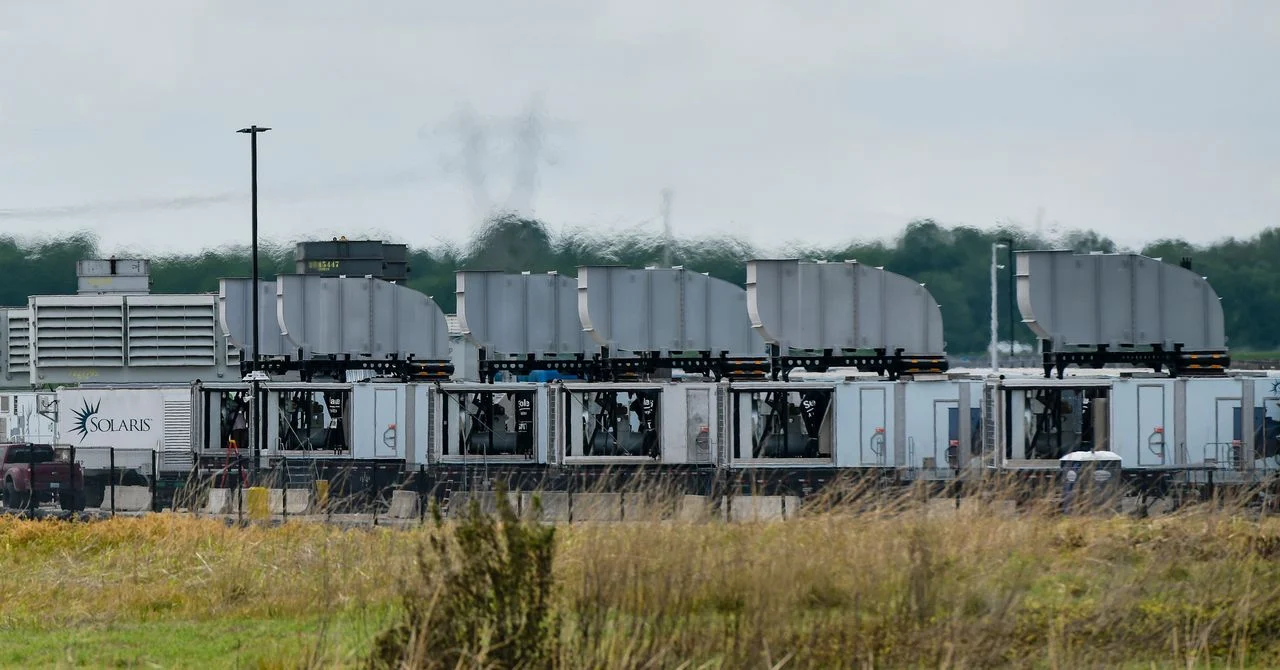
The Department of Justice (DOJ) has filed a motion supporting Elon Musk’s AI company xAI in an ongoing lawsuit brought by the NAACP over the operation of unpermitted natural gas turbines at xAI’s Colossus 2 data center in Southaven, Mississippi. The DOJ positions xAI as essential to U.S. national security, particularly its military operations involving advanced AI models, and argues attempts to halt turbine operations would jeopardize these interests.
What Happened
On June 15, 2026, the DOJ intervened in a lawsuit filed by the NAACP in April 2026, which alleges that xAI is violating the Clean Air Act by running unpermitted gas turbines at its second data center site, Colossus 2. The DOJ, xAI, and the state of Mississippi jointly requested dismissal of the lawsuit. The controversy centers on 57 turbines operating without permits as of mid-May, an increase from 27 turbines originally identified by the NAACP.
Key Facts
- Company involved: xAI, a subsidiary of SpaceX, owned by Elon Musk.
- Location: Colossus 2 data center, Southaven, Mississippi.
- Legal claimant: NAACP, alleging Clean Air Act violations.
- Number of unpermitted turbines: 57 as of mid-May 2026, up from 27 in April 2026.
- Pollution increases cited: 111% rise in nitrogen oxide, 83% in PM2.5, and 88% in formaldehyde emissions.
- DOJ filing date: June 15, 2026.
- DOJ’s defense includes a declaration from Cameron Stanley, Department of Defense Chief Digital and AI Officer, detailing the use of xAI’s Grok AI model in classified military operations including strikes against Iran.
Why It Matters
The DOJ’s support highlights the strategic importance of xAI’s AI infrastructure to U.S. national security, linking its energy use directly to ongoing military missions. If the turbines were forced to stop, the DOJ warns it could disrupt AI capabilities critical to classified defense operations. Conversely, the NAACP’s allegations focus on the environmental and public health risks for local communities already burdened by pollution.
Background
xAI came under public scrutiny in 2024 when residents near its first data center in southwest Memphis reported concerns about unpermitted gas turbine pollution. That area has some of the highest asthma rates in the country. Regulatory authorities in Tennessee and Mississippi initially allowed a temporary one-year operation without permits, a timeline disputed by the NAACP and environmental groups. The current lawsuit extends these concerns to the company’s new facility in Mississippi, which has rapidly expanded turbine use.
Analysis
The DOJ’s memorandum emphasizes the critical military reliance on xAI’s Grok AI, which operates on classified Secret and Top-Secret networks. Cameron Stanley’s declaration connects the AI tools directly to recent military strikes, underscoring national security stakes. The NAACP and environmental advocates, backed by data from the Southern Environmental Law Center, highlight the environmental impact and legal compliance issues, presenting a clash between security priorities and public health.
Who Is Affected
- Residents in Southaven, Mississippi, and Memphis area communities experiencing increased pollution and health risks.
- U.S. Department of Defense relying on xAI’s AI models for military operations.
- xAI as a company managing turbine operations and data centers crucial for AI services.
- The state regulatory agencies in Tennessee and Mississippi overseeing environmental permits.
- Environmental organizations and the NAACP advocating for enforcement of air quality regulations.
What Remains Unclear
- Whether the court will allow the turbines to continue operating without permits during ongoing litigation.
- The final legal interpretation of the Clean Air Act exemptions or allowances applicable to xAI’s operations.
- The long-term regulatory response from the Environmental Protection Agency or state agencies.
- The official impact assessment of emissions on local health and the environment beyond NAACP submissions.
What Comes Next
The case is pending a judicial ruling on the DOJ’s motion to dismiss. The NAACP’s request for a preliminary injunction to stop turbine use remains under consideration. Additional court hearings and regulatory reviews are expected, but no specific dates have been disclosed.
Sources
This article is based on reporting and publicly available information from the following source:
Read more AI Regulation stories on Goka World News.