
President Donald Trump announced on June 15, 2026, that the United States has reached a preliminary deal with Iran to reopen the Strait of Hormuz, a crucial global oil shipping route. This news triggered a sharp plunge in oil prices and propelled U.S. stock markets to record highs as investors reacted positively to the prospect of easing geopolitical tensions in the Middle East.
What Happened
On June 15, 2026, President Trump declared that the U.S. had reached a preliminary agreement with Iran to lift the naval blockade and reopen the Strait of Hormuz by Friday after the deal’s signing. This waterway is vital as it handles nearly 20% of global crude oil shipments. The announcement led to a significant decline in global oil prices and a surge in the U.S. stock market.
Key Facts
- Brent crude, the international benchmark, dropped 4.8% to $83.17 per barrel.
- West Texas Intermediate (WTI) crude, the U.S. benchmark, fell 4% to $81.46 per barrel.
- The Dow Jones Industrial Average rose 469 points (0.9%) to close at an all-time high of 51,671.
- The S&P 500 increased 123 points (1.7%) to 7,554.
- The Nasdaq composite surged 3.1%.
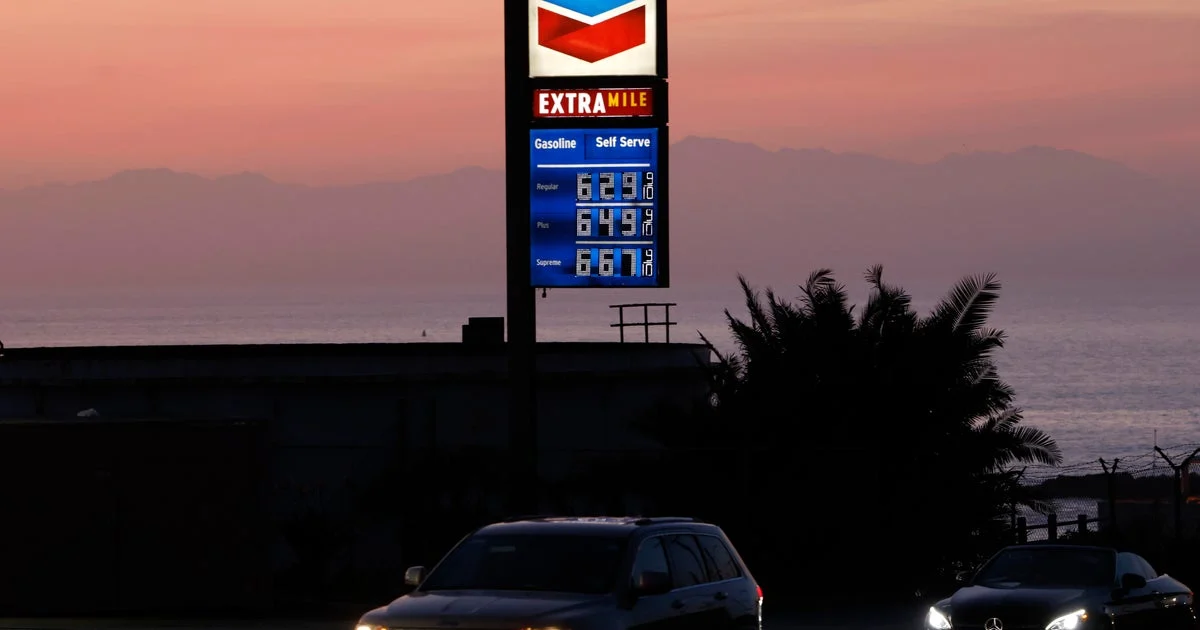
- Average U.S. gasoline prices dipped to $4.07 per gallon, down from $4.53 a month earlier, though still 37% higher than pre-war levels, according to AAA.
- Energy prices accounted for over 60% of the increase in the Consumer Price Index in May, which reached its highest inflation level in more than three years.
Why It Matters
The reopening of the Strait of Hormuz and the easing of tensions between the U.S. and Iran could restore a significant portion of disrupted oil flows, helping stabilize oil markets and reducing pressure on fuel costs. This relief may benefit consumers and businesses by tempering inflationary pressures driven largely by energy costs. Additionally, stock markets reacted positively, as investors viewed the deal as removing a major geopolitical risk.
Background
The Strait of Hormuz is a strategic chokepoint for global oil shipments. Recent conflict between the U.S. and Iran led to a naval blockade that disrupted oil traffic, driving prices above $100 per barrel. This escalation contributed heavily to rising inflation in the U.S., with energy prices as a key factor. The new agreement follows sharp inflation data from May that showed a three-year peak largely driven by energy costs.
Analysis
Wall Street analyst Adam Crisafulli of Vital Knowledge attributed the stock market gains to the removal of geopolitical risk rather than expectations of immediate economic upside. Neil Shearing, chief economist at Capital Economics, cautioned that while the deal might reopen the strait promptly, it would not immediately halt inflation or prevent some economic damage during the third quarter. Analysts from Eurasia Group noted that it could take weeks for tanker traffic to return to pre-war volumes due to shipping and insurance companies’ need for assurance that the engagement holds.
Who Is Affected
The agreement directly affects global oil producers and consumers, shipping and insurance industries, and U.S. companies with high fuel costs. Notably, United Airlines shares rose 3.9% and Royal Caribbean Group’s stock increased 6.6% as fuel costs are a significant component of their expenses. U.S. households and businesses burdened by elevated fuel prices may see some relief if oil flows normalize.
What Remains Unclear
- Whether Iran will impose tolls on ships passing through the Strait of Hormuz, despite U.S. demands for a toll-free passage.
- The exact timeframe for oil tanker traffic to return to at least 50% of pre-war levels.
- The durability and enforcement mechanisms of the preliminary deal once signed.
What Comes Next
The deal is expected to be signed imminently, with the Strait of Hormuz reopening anticipated on the following Friday. Market participants and energy analysts will monitor oil shipment volumes and inflation data in the coming weeks to assess the deal’s impact.
Sources
This article is based on reporting and publicly available information from the following source:
Read more Business stories on Goka World News.