
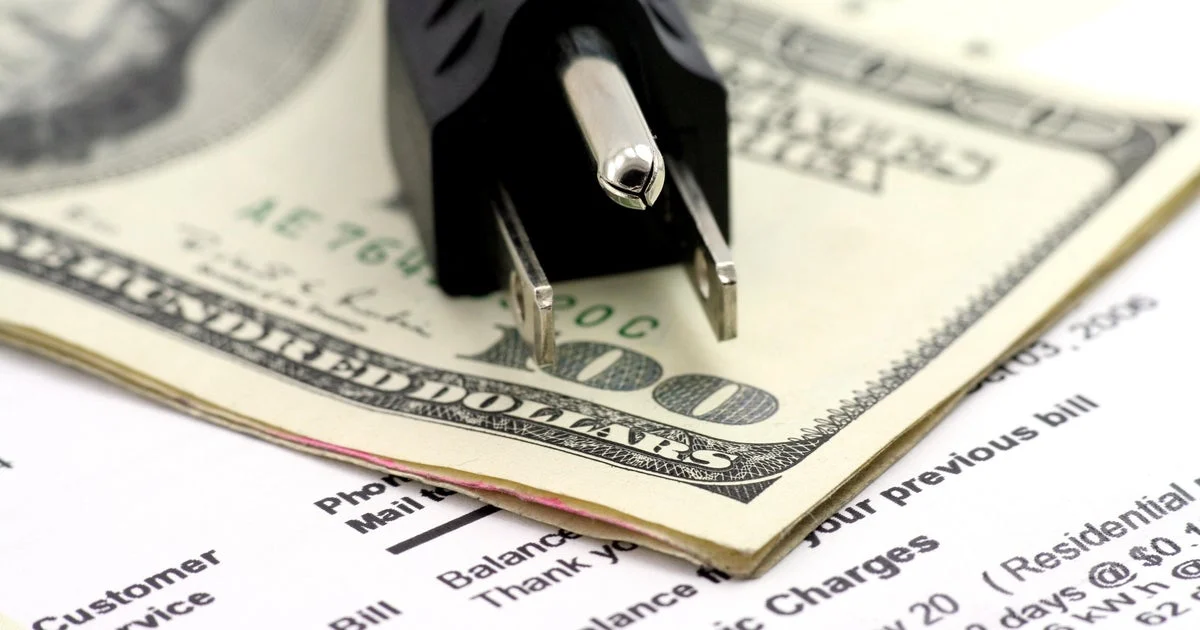
Electricity costs in the United States are expected to hit record highs this summer, with households projected to spend an average of nearly $800 on electricity between June and September, marking a 10.5% increase compared to the same period last year. The rise is attributed to climbing electricity prices amid hotter weather and growing energy demand.
What Happened
The National Energy Assistance Directors Association (NEADA) released an analysis on June 15, 2026, forecasting that American households will pay unprecedented summer electricity bills due to ongoing price increases and higher energy consumption driven by heatwaves. Utilities and states are also investing heavily in upgrading the aging power grid, including building data centers for AI services, which contributes to rising costs.
Key Facts
- Average household electricity spending from June to September 2026 is projected at nearly $800, up 10.5% from summer 2025.
- Electricity prices have risen approximately 23% nationally from 2019 to 2024, based on federal data analyzed by nonprofit PowerLines.
- Arizona is expected to have the highest summer electricity costs at $1,060, up nearly 14% from last year.
- Connecticut ranks second with projected costs of $944, about 11% higher than summer 2025.
- Washington and North Dakota are forecasted to have the lowest summer electricity bills at $488.
- One in six U.S. households is currently behind on utility payments, according to NEADA.
- A recent survey by the Federal Reserve Bank of New York indicates that roughly half of Americans feel financially worse off than a year ago.
Why It Matters
The rising cost of electricity amid hotter summers means increased financial strain on American households, particularly those already struggling due to high inflation and economic uncertainty. Increased utility expenses affect consumer budgets, forcing difficult trade-offs between essential needs and discretionary spending.
Background
Electricity prices in the United States have been climbing due to aging infrastructure and investments required to support new technologies, such as data centers for artificial intelligence services. The average monthly electric bill increase of about 23% over five years reflects these pressures combined with heightened demand during hotter weather.
Analysis
Mark Wolfe, executive director of NEADA, highlighted that rising prices plus hotter summers are driving households to spend substantially more on cooling to maintain safety. The dual pressures of infrastructure upgrades and climate conditions create persistent upward pressure on electrical expenses.
Who Is Affected
All American households face rising electricity costs, with residents in Arizona and Connecticut expected to bear the highest increases. Consumers nationwide encounter the challenge of balancing elevated utility bills with other living expenses during a period of financial stress.
What Remains Unclear
- The analysis does not specify the extent to which future price controls or policy interventions may mitigate rising costs.
- The potential impact of varying regional energy policies on local electricity prices remains unconfirmed.
What Comes Next
This information was not confirmed in the reviewed sources.
Sources
This article is based on reporting and publicly available information from the following source:
Read more Business stories on Goka World News.