
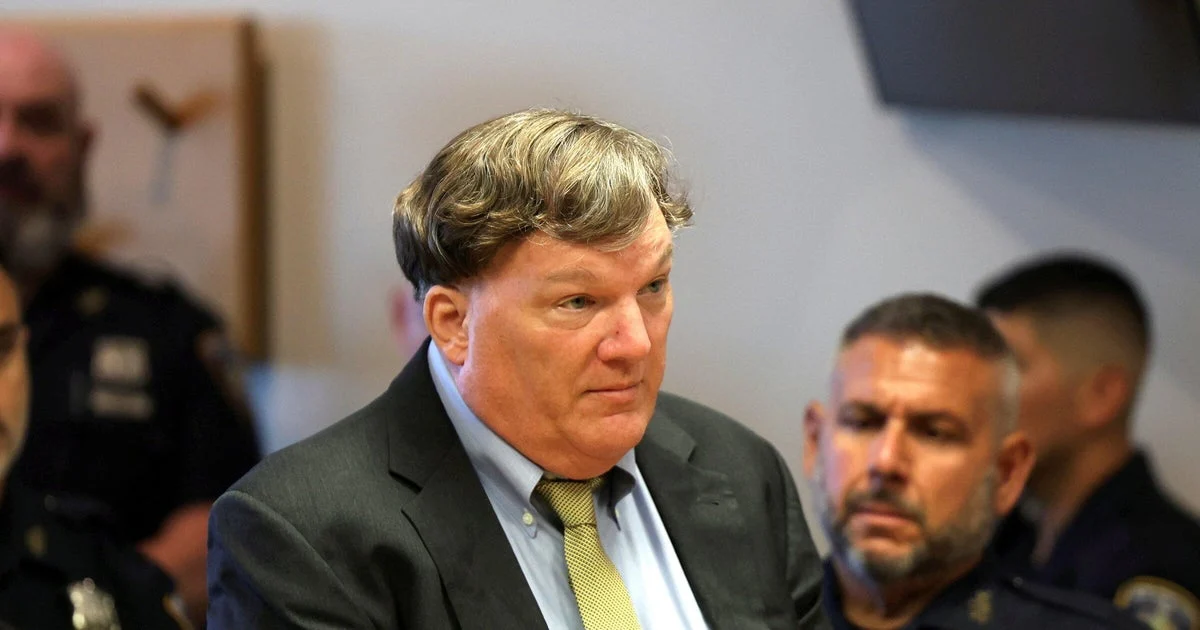
Rex Heuermann, a former Manhattan architect, was sentenced to life in prison without the possibility of parole on June 17, 2026, after pleading guilty to the murders known as the Gilgo Beach serial killings. The 62-year-old admitted to strangling eight sex workers and hiding their bodies across Long Island over a period spanning nearly two decades.
What Happened
The sentencing took place in a packed courtroom in Suffolk County, New York, where Heuermann was convicted on multiple counts of first- and second-degree murder. The murders occurred between 1993 and 2010, with most victims’ remains discovered along Ocean Parkway in Babylon starting in December 2010. Heuermann pleaded guilty in April 2026 to killing Melissa Barthelemy, Megan Waterman, Amber Costello, Maureen Brainard-Barnes, Sandra Costilla, Jessica Taylor, Valerie Mack, and later Karen Vergata. He confessed to strangling all eight women, dismembering their bodies, and concealing them across Long Island. The suspect was arrested in 2023 and held at the Riverhead county jail before sentencing.
Key Facts
Heuermann was convicted on three counts of first-degree murder and four of second-degree murder. Suffolk County District Attorney Ray Tierney stated that the plea agreement included the admission to Vergata’s murder. Evidence against Heuermann included DNA linking him to the victims, a “blueprint” allegedly used to plan the killings, records from burner phones, and electronic devices.
Judge Timothy Mazzei delivered the sentence, condemning Heuermann as “a disgusting and small man” responsible for the deaths of eight women. Emotional victim impact statements were read by family members, expressing decades of pain and loss, including Valerie Mack’s mother Joanne Mack and children of other victims such as Liliana Waterman and Nicolette Brainard-Barnes. Families described Heuermann as cold-blooded and evil, and some vowed to continue seeking justice.
What This Means
This sentencing closes a harrowing chapter in Long Island’s criminal history, offering a measure of justice for families left devastated by decades of uncertainty. The case highlights challenges in solving long-term serial killings, particularly involving marginalized victims such as sex workers, who often face systemic neglect. Heuermann’s cooperation with the FBI’s Behavioral Analysis Unit may aid in identifying other serial offenders, potentially improving law enforcement’s ability to prevent future crimes.
The verdict also reinforces the importance of persistent investigative work, scientific advancements in DNA analysis, and coordinated law enforcement efforts that finally brought a calculated killer to justice after years of impunity. For the local community, this signifies a painful but necessary step toward healing, underscoring the ongoing need to protect vulnerable populations and improve criminal justice responses.
What Comes Next
Heuermann will serve his life sentence in a New York state prison. Authorities have indicated his cooperation with federal agents may continue as part of efforts to solve other cases. Investigators remain open to the possibility that Heuermann could be linked to additional murders beyond the eight confirmed victims.
Sources
This article is based on reporting and publicly available information from the following source:
Read more US News stories on Goka World News.